






 منزل، بيت
 منتجات
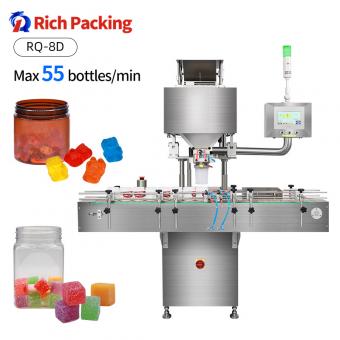
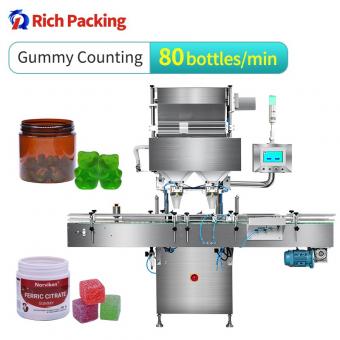
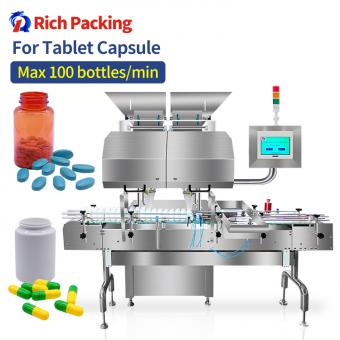
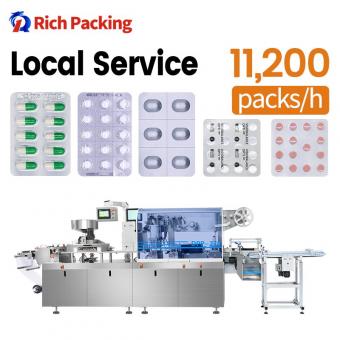
29+ years in pharmaceutical machinery, covering capsule filling, tablet pressing, blister packaging, tablet and capsule counting, cartoning, GMP production, and overseas machine service.

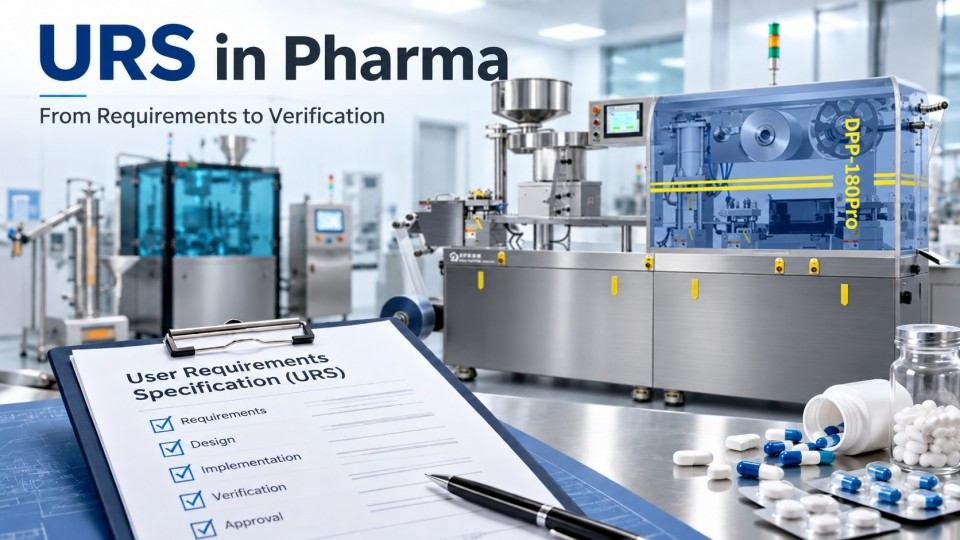
أ مواصفات متطلبات المستخدم (URS) تحدد ما يتوقعه مصنع الأدوية من آلة أو خط إنتاج أو مرفق أو نظام لتحقيقه قبل الاختيار النهائي للمعدات. تربط مواصفات متطلبات المستخدم المفيدة بين الاستخدام المقصود، ونطاق المنتج، والأداء، والتنظيف، والتحويل، والمرافق، وعناصر التحكم، والوثائق، والواجهات، والصيانة، ومعايير القبول بالعملية الفعلية.
طلب مثل "آلة تعبئة نفطة أوتوماتيكية، عالية السرعة، متوافقة مع GMP" لا يزال يترك فجوات كبيرة. فالمورد لا يعرف بعد نطاق الأقراص أو الكبسولات، ومواد التشكيل والتغطية، وأبعاد النفطة، والمخرجات في ظل ظروف محددة، ووظائف الفحص، ونطاق التحويل، والمرافق المتاحة، وواجهة التغليف، أو وثائق التأهيل.
إذا ظلت هذه النقاط غير محددة، يمكن للموردين تقديم افتراضات فنية مختلفة. والنتيجة هي صعوبة المقارنة، والمزيد من تغييرات التصميم، وعدم وضوح قبول FAT، والمشكلات التي لا تظهر إلا أثناء التركيب أو التأهيل.
لذلك، توفر مواصفات متطلبات المستخدم العملية في مجال الأدوية للإنتاج، والهندسة، وضمان الجودة (QA)، والتحقق، والصيانة، والمشتريات، ومورد المعدات مرجعاً فنياً واحداً:
احتياج العملية ← مواصفات متطلبات المستخدم ← حل المورد ← التحقق
يشرح هذا الدليل ما يجب أن تتضمنه مواصفات متطلبات مستخدم معدات الأدوية، وكيفية كتابة متطلبات قابلة للاختبار، وكيفية بناء نموذج مواصفات متطلبات المستخدم، وقالب مواصفات متطلبات المستخدم، وتنسيق URS، وقائمة مراجعة URS دون تحويل الوثيقة إلى مواصفات تصميم هندسي.
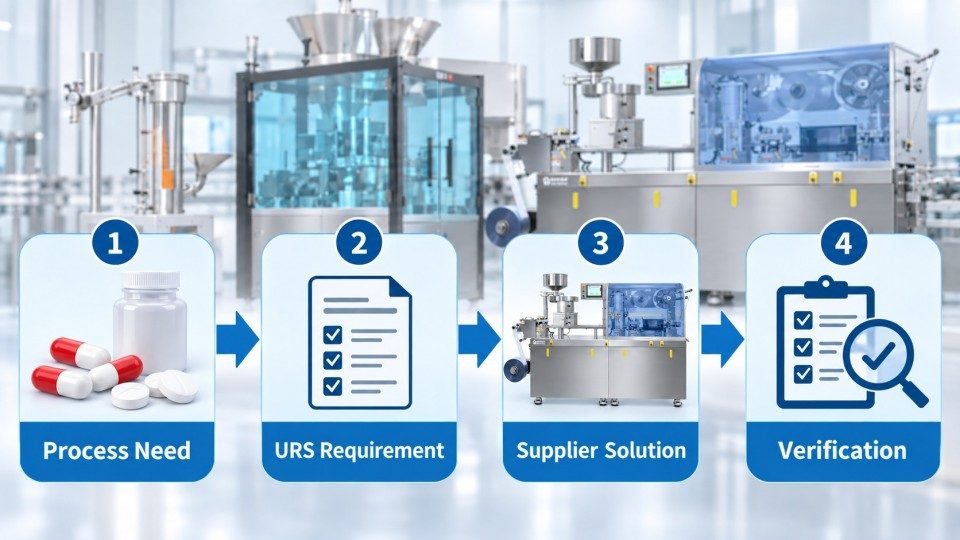 سير عمل URS لمعدات الأدوية من احتياج العملية إلى حل المورد والتحقق
النقاط الرئيسية
تحدد مواصفات متطلبات المستخدم ما يحتاجه المستخدم من آلة أو نظام أو مرفق أو أداة لتحقيقه من أجل استخدامه المقصود.
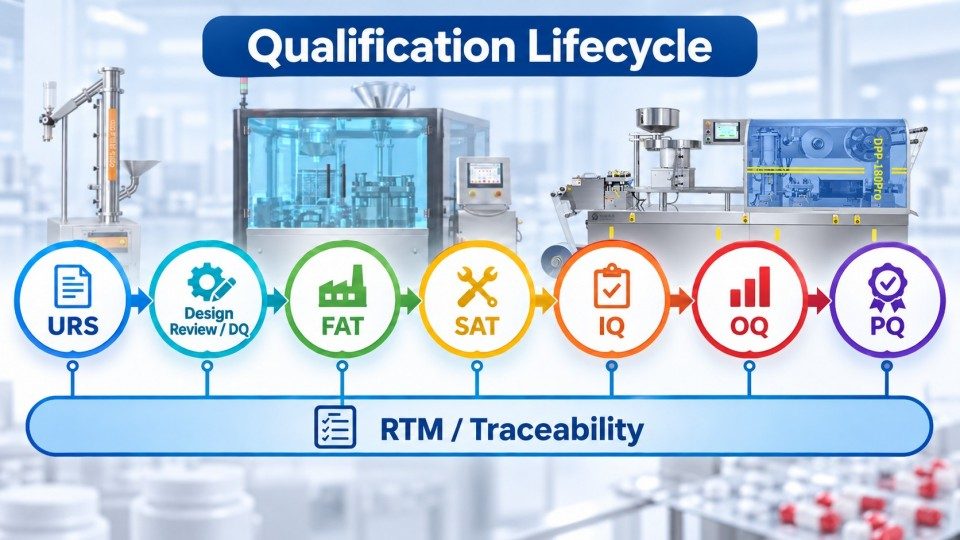
يضع ملحق EU GMP 15 مواصفات متطلبات المستخدم بالقرب من بداية دورة حياة التأهيل. وهو يربط URS بالمواصفات الوظيفية، وتأهيل التصميم، وFAT/SAT، وأنشطة التأهيل اللاحقة حيثما ينطبق ذلك.
الحد الأساسي بسيط:
|
الوثيقة |
السؤال الرئيسي |
|
مواصفات متطلبات المستخدم |
ما الذي يجب أن يحققه النظام؟ |
|
المواصفات الوظيفية / FRS |
ما هي الوظائف التي ستلبي هذا الاحتياج؟ |
|
مواصفات التصميم / DS |
كيف سيتم هندسة الحل؟ |
|
التحقق / التأهيل |
هل يلبي الحل المقدم المتطلبات المعتمدة؟ |
يمنع هذا الحد مشكلتين متناقضتين: مواصفات متطلبات مستخدم غامضة جداً بحيث لا يمكن اختبارها، وأخرى تملي تصميم المورد الداخلي دون داعٍ.
على سبيل المثال، "استخدام ثلاثة محركات مؤازرة" هو في الأساس تعليمات تصميم. قد يكون الاحتياج الحقيقي هو التغذية المستقرة والمزامنة عبر نطاق تشغيل محدد. يجب على المورد عادةً اختيار الحل الفني ما لم يكن معيار الموقع—مثل عائلة PLC معتمدة، أو قائمة المكونات الكهربائية، أو بروتوكول الاتصال، أو قاعدة الأمن السيبراني، أو استراتيجية قطع الغيار—يجعل التكنولوجيا نفسها متطلباً حقيقياً للمستخدم.
غالباً ما تبدأ استفسارات المعدات ببضع تفاصيل فقط. "آلة تعبئة الكبسولات، مقاس 0، 90,000 كبسولة/ساعة" كافية لبدء مناقشة، ولكنها ليست كافية لتحديد نطاق مقاس الكبسولة، ونوع الغلاف، ومادة التعبئة، وسلوك التدفق، ونطاق التعبئة المستهدف، واستخراج الغبار، والتنظيف، والمرافق، والتحويل، والاتصال اللاحق، ونطاق FAT، أو الوثائق.
يتمثل دور مواصفات متطلبات المستخدم في تحويل لغة الشراء المبكرة تلك إلى أساس فني متفق عليه قبل أن تصبح افتراضات المورد جزءاً من الآلة.
يعتمد المحتوى الدقيق على المعدات وملف تعريف المخاطر، ولكن معظم وثائق URS في مجال الأدوية تحتاج إلى تحديد أربعة أشياء:
ما الذي يتعامل معه النظام ← ما الذي يجب أن يحققه ← في ظل أي ظروف يعمل ← كيف سيتم التحقق من المتطلبات المهمة
|
مجال المتطلبات |
ما يجب تحديده |
التحقق النموذجي |
|
الاستخدام المقصود |
العملية، المنتج، شكل الجرعة، نطاق المشروع |
URS / مراجعة التصميم |
|
نطاق المنتج والتنسيق |
الأحجام، الخصائص الفيزيائية، تنسيقات العبوات، نطاق التشغيل |
العينات، الرسومات، بيانات المنتج |
|
الأداء |
الإنتاجية، الدقة، نطاق التشغيل، أداء الرفض |
FAT / اختبار الأداء |
|
الجودة و GMP |
المتطلبات المؤثرة على الجودة، ضوابط التلوث، ضوابط المخاطر المعمول بها |
DQ / مراجعة / تأهيل |
|
مواد البناء (MOC) |
المواد الملامسة للمنتج، التشطيبات، الأختام حيثما كان ذلك مناسباً |
الشهادات / الفحص |
|
التنظيف و تغيير الإعدادات |
الأجزاء الملامسة، الوصول، التفكيك، تغيير التنسيق، قيود التنظيف |
مراجعة التصميم / FAT |
|
المرافق |
الطاقة، الهواء المضغوط، التفريغ، الاستخلاص، المياه، الغازات |
المراجعة الفنية / SAT |
|
البيئة |
درجة الحرارة، الرطوبة، قيود الغرفة حيث يعتمد الأداء عليها |
المواصفات / مراجعة الموقع |
|
الضوابط والأتمتة |
واجهة HMI، الوصفات، الإنذارات، مستويات الوصول، وظائف البيانات |
الاختبار الوظيفي |
|
الواجهات |
المعدات الأولية/النهائية، ارتفاع الناقل، الإشارات، الاتصالات |
مراجعة التصميم / FAT / SAT |
|
السلامة |
الحواجز، أقفال الأمان، مفاتيح التوقف الطارئ، متطلبات الموقع |
FAT / SAT |
|
الأجهزة والمعايرة |
الأجهزة الحساسة، متطلبات المعايرة أو الشهادات |
مراجعة الوثائق / IQ |
|
الصيانة |
الوصول، التشحيم، الصيانة الوقائية، قطع الغيار المستهلكة |
المراجعة الفنية / الكتيبات |
|
قطع الغيار الحرجة، قطع التبديل، المواد الاستهلاكية |
قائمة الموردين / المراجعة |
|
|
التوثيق |
الرسومات، الكتيبات، الشهادات، قوائم الأجزاء، سجلات الاختبار |
قائمة مراجعة الوثائق |
|
التدريب والخدمة |
تدريب المشغل/الصيانة، نطاق الدعم |
سجلات التدريب / الخدمة |
|
دعم التأهيل |
أدوار FAT/SAT، IQ/OQ الوثائق، مسؤوليات التنفيذ |
خطة المشروع |
|
التتبع |
معرفات المتطلبات، طريقة القبول، الاختبار المرتبط أو الأدلة |
مصفوفة تتبع المتطلبات |
تبدأ مواصفات متطلبات المستخدم القوية بالعملية، وليس بكتالوج الآلة.
بالنسبة لآلة التغليف بالبثور (Blister)، حدد المنتج ونظام التغليف قبل اختيار تكوين الآلة. بالنسبة لمكبس الأقراص، حدد نطاق الأقراص، والأدوات، وسلوك التركيبة ذات الصلة، ونطاق المخرجات، والتغذية، واحتياجات العملية. بالنسبة لخط العد، حدد الأقراص الفعلية، أو الكبسولات، أو الكبسولات الهلامية (softgels)، أو العلكات لأن الهندسة، والغبار، والشفافية، والانعكاسية، والالتصاق يمكن أن تؤثر على الأداء.
يساعد تقييم المخاطر بعد ذلك في تحديد متطلبات المستخدم التي تستحق أقوى معايير القبول. يجب أن تخضع المتطلبات الحاسمة للجودة والسلامة والعملية للتحقق بشكل أكثر صرامة من ميزات الراحة.

القاعدة الأكثر فائدة عند كتابة مواصفات متطلبات المستخدم هي:
إذا قال المورد إن المتطلب قد تم استيفاؤه، فما هو الدليل الذي سيثبت ذلك؟
|
احتياج الإنتاج |
صياغة ضعيفة |
توجيه أفضل لـ URS |
التحقق |
|
مخرجات أعلى |
آلة عالية السرعة |
تحديد المنتج/التنسيق، والمخرجات المستهدفة، وظروف التشغيل |
FAT |
|
عد مستقر |
دقة عالية |
تحديد المنتج، والعدد، والسرعة، وطريقة الاختبار، ومعيار القبول |
FAT / PQ حيثما كان ذلك مناسباً |
|
وقت توقف أقصر |
تغيير سريع |
حدد التنسيقات، والأنشطة المشمولة، والوقت المستهدف إذا كان ذلك حرجاً |
FAT / SAT |
|
تنظيف أسهل |
سهل التنظيف |
حدد أجزاء التلامس، والوصول، والإزالة، وقيود التنظيف |
مراجعة التصميم / FAT |
|
ملاءمة ممارسات التصنيع الجيدة (GMP) |
متوافق مع ممارسات التصنيع الجيدة (GMP) |
قسّم المتطلبات إلى المواد القابلة للتطبيق، والتصميم، وعناصر التحكم، والتنظيف، والمستندات، وضوابط المخاطر |
DQ / مراجعة / تأهيل |
|
تكامل الخط |
متوافق مع آلة التغليف (cartoner) |
حدد الواجهة الميكانيكية، والسرعة، والإشارات، والتراكم، وتفاعل التحكم |
مراجعة التصميم / SAT |
|
صيانة موثوقة |
صيانة منخفضة |
حدد الوصول، والتشحيم، والصيانة الوقائية، وقطع الغيار، وتوقعات الخدمة |
مراجعة فنية |
|
دعم التأهيل |
توفير مستندات التحقق |
أدرج البروتوكولات الدقيقة، والشهادات، والرسومات، والسجلات، والمسؤوليات |
مراجعة المستندات |
الرقم وحده لا يعتبر تلقائياً متطلباً جيداً في مواصفات متطلبات المستخدم.
"المخرجات ≥ 100,000 كبسولة/ساعة" تعتبر غير مكتملة إذا لم يتم تحديد حجم الكبسولة، والتركيبة، ونطاق التعبئة، وظروف الاختبار، والتوقفات المسموح بها، وطريقة القبول. هدف تغيير التنسيق ضعيف بنفس القدر ما لم يتم الاتفاق على تغيير التنسيق والأنشطة المشمولة في الاختبار.
بالنسبة للمشاريع الأكبر، قم بتعيين معرفات فريدة للمتطلبات المهمة مثل URS-PER-001 أو URS-UTL-003.
يمكن أن تستمر هذه المعرفات في استجابة المورد، والمواصفات الوظيفية، ومواصفات التصميم، وبروتوكول FAT، ووثائق IQ/OQ، وسجلات التحقق الأخرى.
أمصفوفة تتبع المتطلبات (RTM)يمكنها تعيين:
معرف URS ← الاستجابة الوظيفية/التصميمية ← تصنيف المخاطر ← طريقة التحقق ← مستند الاختبار ← النتيجة/الانحراف
هذا يجعل العثور على الفجوات أسهل ويقلل من احتمالية اختفاء متطلب مستخدم حرج بين مرحلتي الشراء والتأهيل.
لا يتطلب كل سطر نفس التحكم. يمكن لمواصفات متطلبات المستخدم العملية التمييز بين المتطلبات الحرجة، والمتطلبات الإلزامية، والميزات المفضلة.
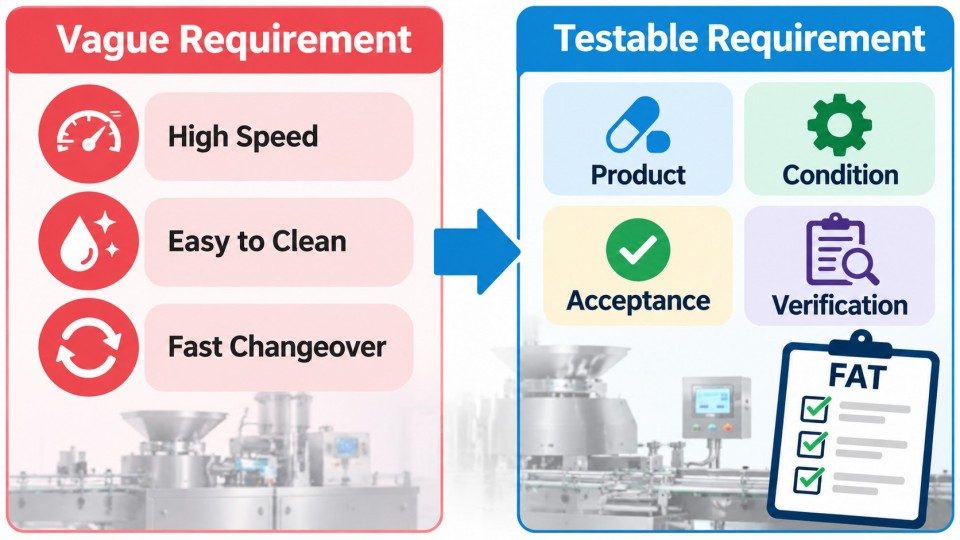 أمثلة على مواصفات متطلبات المستخدم الضعيفة مقابل القابلة للاختبار للمعدات الصيدلانية
يوضح مثال مواصفات متطلبات المستخدم المفيد ما يتغير حسب نوع المعدات دون تقديم قيم مصنع واحد كمعايير عالمية.
|
المعدات |
مدخلات URS ذات القيمة العالية |
|
حجم الكبسولة، نوع الغلاف، خصائص المسحوق/الحبيبات، نطاق التعبئة، المخرجات، احتياجات الجرعات، استخراج الغبار، التنظيف، تغيير التنسيق، المرافق |
|
|
أبعاد القرص، معيار الأدوات، سلوك التركيبة، نطاق المخرجات، احتياجات الكبس، وحدة التغذية، استخلاص الغبار، التنظيف، واجهة العمليات اللاحقة |
|
|
أبعاد/سلوك المنتج، نطاق الزجاجات، العدد لكل زجاجة، مخرجات الخط، منطق الرفض، المجفف، السد، الإغلاق، وضع الملصقات، التعبئة في كرتون |
|
|
نطاق المنتج، مواد التشكيل/التغطية، تخطيط البليستر، عمق التشكيل، المخرجات، الفحص، التغيير، التبريد/المرافق، واجهة آلة التكرتون |
|
|
تغذية المنتج، أبعاد الكرتون، المنشورات/المرفقات، الترميز، الكشف، منطق الرفض، المخرجات، المزامنة |
|
|
آلة تعبئة الأكياس الأنبوبية (Stick packing) / آلة تعبئة الأكياس المسطحة (sachet) |
خصائص المنتج، نطاق الجرعة، الفيلم، أبعاد العبوة، الإغلاق، المسارات، الترميز، المناولة اللاحقة |
يمكن لنموذج مواصفات متطلبات المستخدم العملي استخدام تنسيق URS التالي في مشاريع الأدوية:
|
القسم |
المحتوى |
|
1. المشروع والنطاق |
المعدات، الاستخدام المقصود، الموقع، الحدود، المراجعة |
|
2. المنتج / العملية |
نطاق المنتج، خصائص التركيبة أو التعبئة |
|
3. الأداء |
السعة، نطاق التشغيل، توقعات الجودة والأداء |
|
4. التنسيقات |
الأحجام المطلوبة، قطع التغيير، التنسيقات المستقبلية المبررة |
|
5. البناء |
MOC (مادة البناء)، التشطيبات، الحواجز، معايير الموقع المعمول بها |
|
6. التنظيف والتغيير |
أجزاء التلامس، الوصول، التفكيك، متطلبات التنظيف/التغيير |
|
7. المرافق والبيئة |
الطاقة، الهواء، الفراغ، الاستخلاص، الماء، ظروف الغرفة |
|
8. الضوابط والتكامل |
HMI، الوصفات، الإنذارات، البيانات، الواجهات، المعدات السابقة/اللاحقة |
|
9. السلامة والأجهزة |
أقفال الأمان، وظائف الطوارئ، الأجهزة الحساسة، المعايرة |
|
10. التوثيق والتأهيل |
الرسومات، الأدلة، الشهادات، FAT/SAT، دعم IQ/OQ |
|
11. الصيانة والخدمة |
الصيانة الوقائية، التشحيم، قطع الغيار، التدريب |
|
12. القبول والتتبع |
معرفات المتطلبات، طريقة التحقق، معايير القبول، الموافقات |
يجب أن يظل نموذج مواصفات متطلبات المستخدم خاضعاً للمراجعة والتحكم في التغيير. يمكن للتوضيحات الفنية تغيير المتطلبات، ولكن يجب أن تكون هذه التغييرات مرئية ومراجعة ومبررة بدلاً من اختفائها بصمت.
إن مواصفات متطلبات المستخدم المكتوبة بشكل جيد تجعل الآلات الصيدلانية مقارنة موردي الآلات الصيدلانية أكثر جدوى لأن كل مقدم عطاء يستجيب لنفس الاستخدام المقصود ومجموعة المتطلبات.
بدون هذا الأساس، قد يتضمن أحد الموردين الفحص، وقطع الغيار، والوثائق، والتشغيل التجريبي، ودعم التأهيل، بينما يقدم مورد آخر سعر الآلة الأساسية فقط. تختلف الأسعار، لكن النطاقات ليست متكافئة.
عند إعداد مواصفات متطلبات المستخدم (URS) للمعدات الصيدلانية، يمكن للمصنعين أيضاً مراجعة تنسيقات المنتج، والمخرجات المستهدفة، والمرافق، والوثائق، ومتطلبات تكامل الخط مع مورد معدات ذي خبرة.Rich Packing، وهي شركة مصنعة للآلات الصيدلانية والتعبئة والتغليف، يمكنها استخدام متطلبات المشروع هذه لإعداد تكوين آلة ومقترح فني أكثر ملاءمة.
لذلك يجب أن توضح المقارنة الفنية ما إذا كان كل متطلب من متطلبات المستخدم:
تم تلبيته ← تم تلبيته مع توضيح ← تم تلبيته بحل بديل ← غير مدرج
|
المرحلة |
الغرض الرئيسي |
|
مراجعة التصميم / DQ |
تأكيد أن التصميم المقترح يلبي متطلبات المستخدم المعتمدة |
|
FAT |
التحقق من الوظائف المحددة، والواجهات، والوثائق، والأداء قبل الشحن |
|
SAT |
تأكيد الوظائف القابلة للتطبيق في ظل مرافق وواجهات الموقع الفعلية |
|
IQ |
تأكيد التركيب، والمكونات، والوثائق، والمعايرة حسب الاقتضاء |
|
OQ |
إثبات التشغيل عبر الوظائف المحددة ونطاقات التشغيل |
|
PQ |
إثبات الأداء في ظل ظروف العملية/المنتج القابلة للتطبيق |
|
RTM (مصفوفة تتبع المتطلبات) |
إظهار أين تمت معالجة والتحقق من كل متطلب حاسم للمستخدم |
يربط الملحق 15 من ممارسات التصنيع الجيد (EU GMP) مواصفات متطلبات المستخدم (URS) بمراجعة التصميم (DQ) ويسمح بمراجعة الوثائق أو الاختبارات ذات الصلة في مرحلة اختبارات القبول في المصنع (FAT) حيثما كان ذلك مبرراً. كما يقر بأن أعمال اختبارات القبول في المصنع (FAT) المناسبة لا تحتاج تلقائياً إلى التكرار بعد التركيب عندما لا يؤثر النقل والتركيب على الوظائف التي تم التحقق منها.
وبالتالي، تدعم مواصفات متطلبات المستخدم استراتيجية تحقق قائمة على المخاطر بدلاً من إجبار كل متطلب على المرور عبر مراحل FAT وSAT وIQ وOQ وPQ.
التشغيل التجريبي، والمعايرة، وإجراءات التشغيل القياسية (SOPs)، وإجراءات التنظيف، والصيانة الوقائية، وتدريب المشغلين تدعم التشغيل الروتيني دون استبدال مواصفات متطلبات المستخدم (URS) المعتمدة.
معظم وثائق مواصفات متطلبات المستخدم (URS) الضعيفة تفشل لأسباب يمكن التنبؤ بها:
قبل إصدار مواصفات متطلبات المستخدم للمعدات الصيدلانية، استخدم قائمة مراجعة مواصفات متطلبات المستخدم (URS) هذه:
نعم. يمكن أن تكشف التوضيحات الفنية، أو تقييم المخاطر، أو تطوير التصميم عن متطلبات تحتاج إلى مراجعة. يجب مراجعة التغييرات، واعتمادها، والتحكم في إصداراتها، وتتبعها بحيث تظل مواصفات متطلبات المستخدم النهائية تعكس الاستخدام المقصود المعتمد.
لا. من الأفضل التحقق من بعض المتطلبات من خلال الرسومات، أو الشهادات، أو الفحص، أو مراجعة المستندات، أو الاختبار الوظيفي. تكون المعايير الرقمية مفيدة عندما يمكن قياس الأداء بشكل هادف، ولكن فرض رقم في كل متطلب قد يخلق قيوداً مصطنعة.
نعم. يمكن للموردين تحديد المعلومات المفقودة، وشرح الجدوى الفنية، واقتراح بدائل. يجب أن تظل مواصفات متطلبات المستخدم المعتمدة تمثل متطلبات الشركة المصنعة للأدوية فيما يتعلق بالعملية، والجودة، والموقع، والتشغيل.
تربط مصفوفة تتبع المتطلبات (RTM) بين متطلبات المستخدم المعتمدة والاستجابات الوظيفية أو التصميمية، وتصنيف المخاطر، ووثائق التحقق، ونتائج الاختبار، والانحرافات. وهي مفيدة بشكل خاص للمشاريع الكبيرة أو التي تتطلب تأهيلاً مكثفاً.
نعم، عندما تؤثر استراتيجية الصيانة، وقطع الغيار القابلة للتآكل، والتشحيم، والوصول، وتوافر قطع الغيار، أو دعم دورة الحياة على ملاءمة المعدات. يمكن أن تؤثر هذه المتطلبات على وقت التوقف وتكلفة الملكية الإجمالية حتى عندما لا تؤثر بشكل مباشر على جودة المنتج.
لا. يجب أن يتطابق التحقق مع المتطلب ومخاطره. يتم تأكيد بعض المتطلبات من خلال مراجعة التصميم أو الشهادات؛ بينما ينتمي البعض الآخر إلى اختبارات FAT أو SAT أو IQ أو OQ أو PQ. إن تكرار نفس الأدلة في كل مرحلة يضيف عملاً دون إضافة ضمان بالضرورة.
إن مواصفات متطلبات المستخدم القوية ليست قائمة أمنيات طويلة. بل هي تعريف موجز وقابل للتتبع لما يجب أن تفعله المعدات، وتحت أي ظروف، وكيف سيتم قبول المتطلبات الحرجة. هذا الوضوح يحسن مقارنة الموردين، ويقلل من افتراضات التصميم، ويمنح التكليف، واختبارات FAT/SAT، والتأهيل، والصيانة، والتحكم في التغييرات المستقبلية أساساً فنياً أقوى.
المفوضية الأوروبية — EudraLex المجلد 4، الملحق 15: التأهيل والتحقق.
خدمة الصيدلة المتخصصة التابعة لهيئة الخدمات الصحية الوطنية (NHS) — كتابة مواصفات متطلبات المستخدم.
MilliporeSigma — مواصفات متطلبات المستخدم في الصناعات الدوائية.

29+ years in pharmaceutical machinery, covering capsule filling, tablet pressing, blister packaging, tablet and capsule counting, cartoning, GMP production, and overseas machine service.

بريد إلكتروني : manager@richpacking.cn
Building D, No. 226, Beishan Qiaotou Street, Haizhu District, Guangzhou City, Guangdong Province, China


 دعم شبكة IPv6