






 منزل، بيت
 منتجات
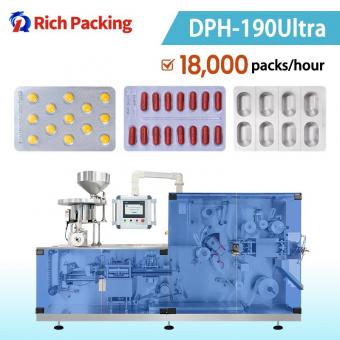
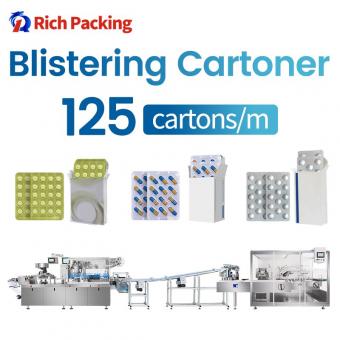
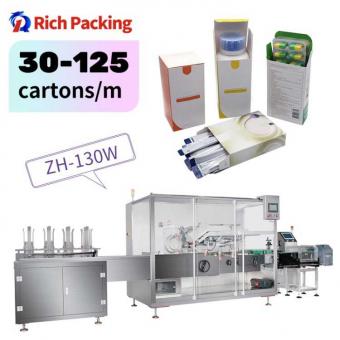
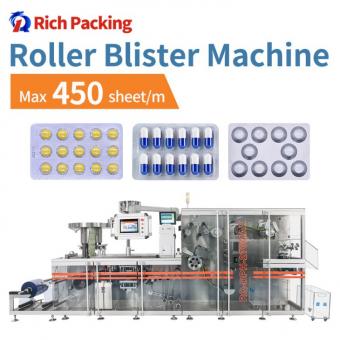
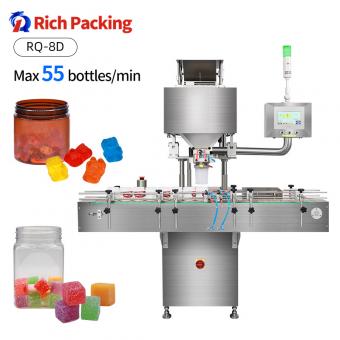
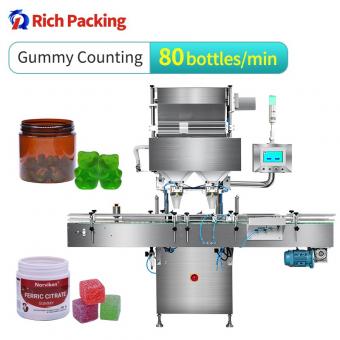
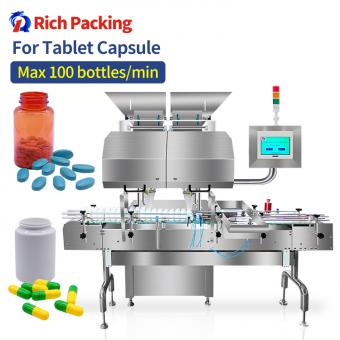
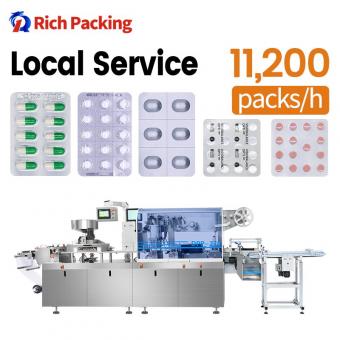
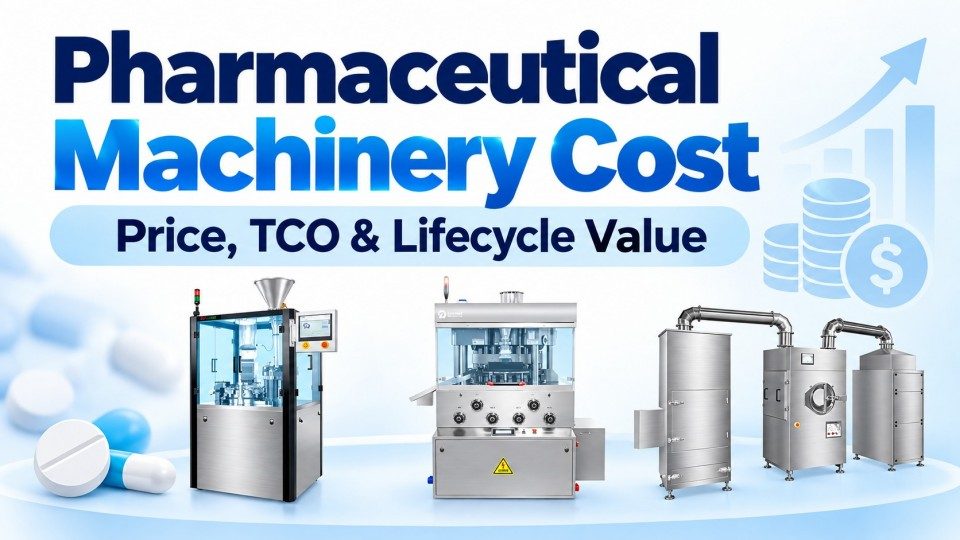
تُعد تكلفة الآلات الصيدلانية الأثر المالي الإجمالي للاستحواذ على المعدات المستخدمة في الإنتاج والتغليف الصيدلاني وتركيبها وتشغيلها وصيانتها وتطويرها أو استبدالها في النهاية. وتتضمن الاستثمار الأولي في المعدات، والأدوات، والتركيب، والتكليف بالتشغيل، والعمالة، والمرافق، والصيانة، وقطع الغيار، وفترات التوقف عن العمل، وغيرها من مصاريف دورة الحياة. ويساعد فهم هذه التكاليف المصنعين على المقارنة بين المعدات بناءً على القيمة طويلة الأجل بدلاً من سعر الشراء بمفرده.
بالنسبة للمصنعين الذين يقارنون بين معدات الإنتاج أو التغليف، فإن السؤال المفيد ليس مجرد: "ما هو سعر الآلات الصيدلانية؟" بل هو: "ما هي تكلفة امتلاك هذه المعدات وتشغيلها على مدى خمس أو عشر سنوات؟" يوفر إجمالي تكلفة الملكية (TCO) إطارًا عمليًا للإجابة عن هذا السؤال.
ما الذي يحدد تكلفة الآلات الصيدلانية؟
تعتمد تكلفة الآلات الصيدلانية على تطبيق الإنتاج الكامل بدلاً من سعر ثابت لآلة واحدة. حيث تؤثر جميع العوامل التالية في الاستثمار النهائي: نوع المعدات، والسعة، والأتمتة، وخصائص المنتج، والبناء، والأدوات، وتكرار تغيير الإعدادات، والتوثيق، واستراتيجية الصيانة.
|
عامل التكلفة |
الأثر |
|
نوع المعدات |
تتطلب الآلات المختلفة أنظمة ميكانيكية، وأنظمة تحكم، وتغذية، ومعالجة، وتغليف مختلفة |
|
الطاقة الإنتاجية |
عادةً ما تتطلب الإنتاجية الأعلى أنظمة أقوى ومكونات ذات أداء أعلى |
|
مستوى الأتمتة |
يغير متطلبات العمالة، والكفاءة، وعناصر التحكم، وتكامل خطوط الإنتاج |
|
متطلبات المنتج |
يمكن أن تؤثر خواص المنتج في التغذية، والأدوات، والأجزاء الملامسة، والتهيئة |
|
متطلبات تغيير الإعدادات |
يؤثر التغيير المستمر للشكل في احتياجات الأدوات ووقت الإنتاج المتاح |
|
المواد والبناء |
تؤثر المواد الملامسة للمنتج، والتشطيبات، ومواصفات المكونات في تكلفة المعدات |
|
التوثيق والتأهيل |
تزيد أعمال التوثيق، والاختبار، ودعم التأهيل، ومتطلبات المشروع من نطاق المشروع |
|
استراتيجية الصيانة |
تؤثر الصيانة الوقائية وتخطيط قطع الغيار في مصاريف دورة الحياة |
تحتاج آلة ملء الكبسولات المستخدمة لأحجام كبسولات متعددة إلى مجموعات أدوات متعددة، بينما تحتاج آلة التغليف بالشرائط (البليستر) التي تتعامل مع أشكال مختلفة إلى قوالب إضافية. تزيد هذه المتطلبات من تكلفة المعدات الصيدلانية ولكنها قد تحسن المرونة.
هل هناك سعر قياسي للآلات الصيدلانية؟
لا يوجد سعر قياسي واحد للآلات الصيدلانية لأن الآلات التي تحمل الاسم العام نفسه يمكن أن تختلف في السعة، والأتمتة، والمواد الملامسة للمنتج، والأدوات، وعناصر التحكم، والتوثيق، ونطاق التركيب. لذلك ينبغي تقييم عرض السعر بناءً على تهيئته الفنية الدقيقة.
يجب على المصنعين التأكد مما إذا كان كل عرض سعر يتضمن نفس الأدوات، والملحقات، والتكليف بالتشغيل، التدريب، ودعم التأهيل، وقطع الغيار. وإلا، فقد تمثل الأسعار المتشابهة نطاقات معدات مختلفة تمامًا.
تفصيل تكلفة الآلات الصيدلانية: من النفقات الرأسمالية إلى مصاريف دورة الحياة
يفصل التحليل العملي لتكلفة المعدات الصيدلانية بين النفقات الرأسمالية (CAPEX) والنفقات التشغيلية (OPEX).
النفقات الرأسمالية (CAPEX): الاستثمار الأولي في المعدات
تتضمن النفقات الرأسمالية التكاليف المطلوبة لشراء المعدات وتجهيزها للإنتاج:
- شراء الآلة
- الأدوات وأجزاء التهيئة
- الملحقات
- التركيب
- التكليف
- التدريب
- دعم التأهيل
- التوثيق
يمكن أن تكون الأدوات مهمة. تتطلب مكابس الأقراص قوالب ومثاقب، آلات تعبئة الكبسولات تحتاج إلى أدوات بحجم الكبسولة، وتتطلب آلات التغليف بالبثور مكونات تشكيل وختم مختلفة.
OPEX: تكلفة تشغيل المعدات
تشمل OPEX النفقات الجارية مثل العمالة، والكهرباء، والهواء المضغوط، والتدفئة أو التبريد، وموارد التنظيف، والمواد الاستهلاكية، والصيانة الروتينية، وقطع الغيار.
|
فئة التكلفة |
أمثلة |
|
الاستثمار الأولي |
الآلة، الأدوات، الملحقات |
|
التركيب |
الإعداد، التكليف، التدريب |
|
التشغيل |
العمالة، الطاقة، الهواء المضغوط، المرافق |
|
الصيانة |
قطع الغيار، الصيانة الوقائية، الخدمة |
|
وقت التوقف |
وقت الإنتاج المفقود وانخفاض استخدام الخط |
|
دورة الحياة |
الترقيات، المكونات البديلة، التعديلات |
يجب أن تتضمن المقارنة الواقعية لـ تكلفة آلة التعبئة والتغليف الصيدلانية كلاً من CAPEX و OPEX. يمكن أن يصبح عرض السعر الأقل أكثر تكلفة عندما تكون تكاليف العمالة أو الصيانة أو الهدر أو وقت التوقف أعلى.
لماذا لا يمثل سعر الشراء وحده التكلفة الحقيقية للمعدات
سعر الشراء وتكلفة الملكية ليسا متماثلين.
الآلة أ
- سعر أولي أقل
- المزيد من التعديل اليدوي
- تنظيف وتغيير أطول
- اعتماد أكبر على مهارة المشغل
- خطر أكبر لوقت التوقف
الآلة ب
- سعر أولي أعلى
- المزيد من التعديل الآلي
- تغيير أسرع
- مناولة يدوية أقل
- توافر إنتاج أكثر استقراراً
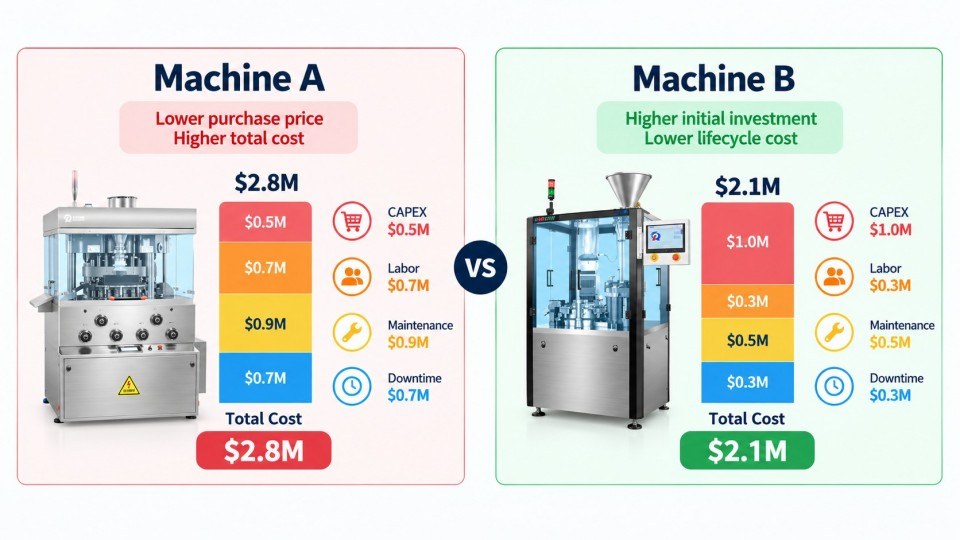
مقارنة التكلفة الإجمالية للملكية (TCO) للآلات الصيدلانية بين سعر الشراء وتكلفة دورة الحياة
تبدو الآلة (أ) أرخص في البداية، ولكن وقت المشغل الإضافي، وخسائر الإنتاج، والصيانة التصحيحية يمكن أن تجعل تكلفة دورة حياتها أعلى. تتطلب الآلة (ب) نفقات رأسمالية (CAPEX) أكبر، ومع ذلك فإن انخفاض الطلب على العمالة، وعمليات تغيير الإعداد الأقصر، ووقت التشغيل الأفضل يمكن أن يقلل من التكلفة الإجمالية للملكية (TCO). الآلة الأكثر تكلفة ليست بالضرورة أفضل تلقائياً؛ إذ يجب أن ينتج عن الاستثمار الإضافي قيمة تشغيلية قابلة للقياس.
ما هي التكلفة الإجمالية للملكية (TCO) للآلات الصيدلانية؟
تمثل التكلفة الإجمالية للملكية (TCO) التكلفة الكاملة للاستحواذ على المعدات وتشغيلها وصيانتها وإدارتها طوال دورة حياتها الإنتاجية.
معادلة عملية للتكلفة الإجمالية للملكية (TCO) هي:
التكلفة الإجمالية للملكية (TCO) = الاستثمار الأولي + تكلفة التشغيل + تكلفة الصيانة + تكلفة التوقف عن العمل + تكلفة دورة الحياة - القيمة المتبقية
يشمل الاستثمار الأولي شراء الآلة، والأدوات، والتركيب، والتشغيل التجريبي، والتدريب. تشمل تكلفة التشغيل العمالة، والمرافق، وموارد التنظيف، والمواد الاستهلاكية. تشمل تكلفة الصيانة الصيانة الوقائية، وقطع الغيار، والخدمة، واستبدال المكونات البالية.
تكلفة التوقف عن العمل هي الأثر المالي لفقدان الإنتاج عندما تكون المعدات غير متاحة. تشمل تكلفة دورة الحياة الترقيات، وأجزاء التنسيق الجديدة، وتغييرات التحكم، واستبدال المكونات الرئيسية. القيمة المتبقية هي القيمة المتبقية للمعدات في نهاية فترة التقييم.
تكون التكلفة الإجمالية للملكية (TCO) أكثر فائدة عند مقارنة خيارات المعدات في ظل نفس الافتراضات المالية والتشغيلية.
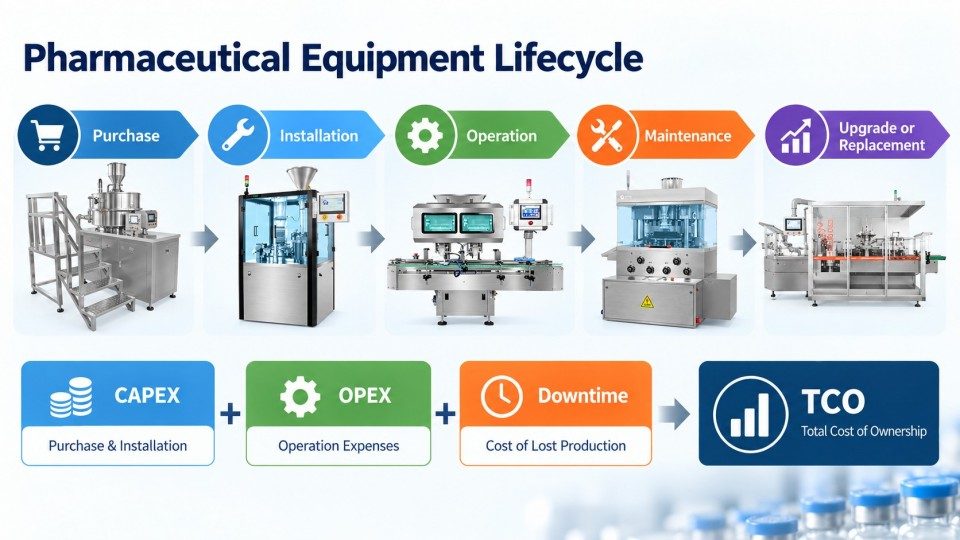
كيفية حساب التكلفة الإجمالية للملكية (TCO) للآلات الصيدلانية
الخطوة 1: تحديد فترة التقييم
اختر فترة مشتركة، مثل خمس أو عشر سنوات. يجب مقارنة جميع الموردين خلال نفس الإطار الزمني.
الخطوة 2: حساب النفقات الرأسمالية (CAPEX)
أضف سعر الآلة، والأدوات، والملحقات، والتركيب، والتشغيل التجريبي، والتدريب، والدعم المتعلق بالتأهيل.
الخطوة 3: تقدير النفقات التشغيلية (OPEX)
قدّر التكاليف السنوية للعمالة، والكهرباء، والهواء المضغوط، والتدفئة، والتبريد، والتنظيف، والمواد الاستهلاكية. طبق نفس الافتراضات على كل خيار.
الخطوة 4: تقدير الصيانة والتوقف عن العمل
قم بتضمين الصيانة الوقائية، واستخدام قطع الغيار، ومتطلبات الخدمة، وقيمة الإنتاج المفقودة أثناء التوقف المخطط وغير المخطط له.
تكلفة التوقف عن العمل = ساعات الإنتاج المفقودة × قيمة الإنتاج في الساعة
الخطوة 5: مقارنة خيارات المعدات
استخدم نفس حجم الإنتاج، وساعات التشغيل، ومعدلات العمالة، وأسعار المرافق، وافتراضات الصيانة، وفترة التقييم. لا يكون حساب التكلفة الإجمالية للملكية (TCO) ذا معنى إلا عندما يكون أساس المقارنة متسقاً.
كيف تؤثر الآلات الصيدلانية المختلفة على التكلفة الإجمالية للملكية (TCO)
تخلق الآلات الصيدلانية المختلفة أنماطاً مختلفة للتكلفة الإجمالية للملكية (TCO).
|
المعدات |
محركات التكلفة الإجمالية للملكية (TCO) الرئيسية |
|
آلة تعبئة الكبسولات |
الأدوات، التنظيف، تغيير الإعداد، استقرار التعبئة، الصيانة |
|
مكبس الأقراص |
المثاقب، القوالب، استقرار الضغط، تآكل الأدوات |
|
آلة طلاء الأقراص |
الطاقة، معالجة الهواء، استخدام مواد الطلاء، التنظيف، وقت الدورة |
|
آلة التغليف بالبثور (Blister) |
الأدوات، هدر المواد، تغيير الإعداد، الصيانة |
|
آلة التغليف الكرتوني |
أجزاء التنسيق، الأتمتة، تغيير الإعداد، التكامل |
آلة تعبئة الكبسولات
تخلق آلة تعبئة الكبسولات تكاليف دورة حياة من خلال الأدوات، وتغيير حجم الكبسولة، والتنظيف، واستقرار التعبئة، والصيانة. يؤدي تغيير الإعداد البطيء والتنظيف الصعب إلى تقليل ساعات الإنتاج، بينما يمكن أن يؤدي التعبئة غير المستقرة إلى زيادة المرفوضات أو إعادة العمل، مما يرفع التكلفة الإجمالية للملكية (TCO) حتى عندما يكون السعر الأولي جذاباً.
مكبس الأقراص
أ مكبس أقراصيعتمد على القوالب (punches)، والمثاقب (dies)، وإعدادات الضغط، واستقرار التغذية، والحالة الميكانيكية. يمكن أن يؤدي تآكل الأدوات أو عدم استقرار الضغط إلى زيادة العيوب، ووقت الضبط، وتوقفات الصيانة. يمكن أن تتجاوز تكلفة المخرجات المرفوضة ووقت الإنتاج الضائع تكلفة استبدال الأدوات.
آلة طلاء الأقراص
أ آلة طلاء الأقراصتستخدم الكهرباء، والهواء المكيف، وأنظمة الرش، ومواد الطلاء، وموارد التنظيف. يمكن أن تؤدي المعالجة غير الفعالة إلى إطالة وقت الدفعة أو زيادة استخدام مواد الطلاء، مما يقلل عدد الدفعات في كل وردية ويزيد من تكاليف التشغيل.
معدات التحبيب
معدات التحبيبيمكن أن تشمل محببات رطبة، وأنظمة السرير المميع، والمطاحن، ومعدات مناولة المواد. تعتمد التكلفة الإجمالية للملكية (TCO) على وقت الدورة، والتنظيف، واستهلاك الطاقة، والصيانة؛ حيث يقلل التنظيف الطويل من التوافر، بينما يزيد الطلب المرتفع على التجفيف من النفقات التشغيلية (OPEX).
آلة التغليف بالبليستر
تؤثر آلة التغليف بالبليستر على التكلفة الإجمالية للملكية (TCO) من خلال الأدوات، وهدر المواد، وتغيير التنسيق، والسرعة، والصيانة. عند التعامل مع أحجام كبيرة، تصبح فروق الهدر الصغيرة ذات أهمية، بينما يؤدي التغيير الأسرع للتنسيق إلى تحسين استخدام خط الإنتاج.
آلة العد
أ آلة عدتؤثر على التكلفة الإجمالية للملكية (TCO) من خلال دقة العد، والعمالة، والصيانة، وتكامل الخط. يقلل العد الموثوق من التصحيح اليدوي، بينما يحسن التكامل الجيد للخط من الاستفادة من المعدات.
آلة التعبئة في علب كرتونية
أ آلة تعبئة في علب كرتونيةتحتاج إلى أجزاء تنسيق مختلفة للعلب، والنشرات، وتكوينات المنتج. تؤدي التغييرات الأسرع في التنسيق إلى زيادة ساعات الإنتاج وكفاءة خط التعبئة.
آلة التعبئة في أكياس
تخلق آلات التعبئة في أكياس (Sachet) أو آلات التعبئة في أكياس أصابع (stick pack) تكلفة إجمالية للملكية (TCO) من خلال أنظمة الجرعات، ومكونات الختم، واستهلاك الفيلم، والتنظيف، ومرونة التنسيق. يؤدي هدر المواد ومرفوضات الختم إلى زيادة تكلفة آلة التعبئة الصيدلانية، بينما يؤدي سهولة التغيير إلى تحسين الاستفادة من المعدات.
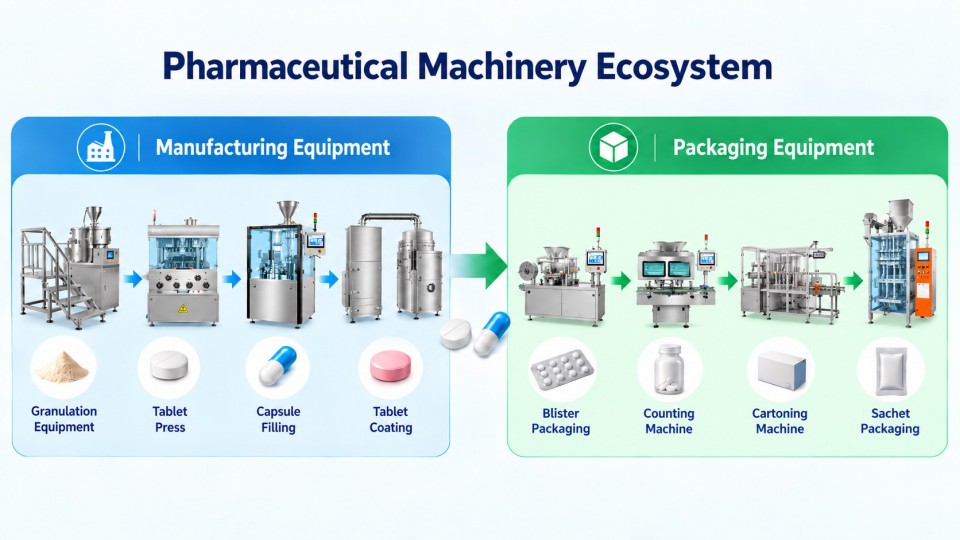
العوامل الرئيسية المؤثرة على تكلفة دورة حياة الآلات الصيدلانية
الموثوقية ووقت التوقف
تؤثر الموثوقية على المخرجات، وجداول التسليم، واستخدام العمالة. يمكن أن يؤدي العطل أيضاً إلى إيقاف المعدات المتصلة، لذا يمكن أن تكون تكلفة وقت التوقف أعلى بكثير من سعر المكون التالف.
الصيانة وقطع الغيار
تساعد الصيانة الوقائية في تحديد التآكل قبل أن يتسبب في توقفات أطول. توافر قطع الغيارمهم أيضاً: يمكن لمكون غير مكلف أن يتسبب في خسارة إنتاج كبيرة إذا استغرق استبداله وقتاً طويلاً جداً.
يجب أن تكون المعدات الصيدلانية أيضاً مناسبة للاستخدام المقصود وقابلة للتنظيف والصيانة. تتناول توجيهات ممارسات التصنيع الجيد (CGMP) الصادرة عن إدارة الغذاء والدواء (FDA) بشكل خاص تصميم المعدات، والتنظيف، والصيانة، بينما تغطي توجيهات التأهيل الصادرة عن منظمة الصحة العالمية (WHO) المعدات والمرافق الداعمة عبر دورة حياتها.
كفاءة التغيير
تحتاج المصانع التي تنتج منتجات متعددة إلى مراعاة عدد مرات تغيير الأدوات، أو التنسيقات، أو الأجزاء الملامسة للمنتج. يؤدي الضبط والتنظيف الأسرع إلى زيادة وقت الإنتاج المتاح، خاصة مع نمو تنوع وحدات حفظ المخزون (SKU).
الطاقة والمرافق
تساهم الكهرباء، والهواء المضغوط، والفراغ، والتدفئة، والتبريد، والهواء المكيف في النفقات التشغيلية (OPEX). يجب تقييم العمليات كثيفة استهلاك الطاقة على مدار ساعات التشغيل السنوية، وليس فقط بناءً على الطاقة المركبة.
كيفية مقارنة موردي الآلات الصيدلانية باستخدام التكلفة الإجمالية للملكية (TCO) والعائد على الاستثمار (ROI)
تجيب التكلفة الإجمالية للملكية (TCO) والعائد على الاستثمار (ROI) على أسئلة مختلفة.
تسأل التكلفة الإجمالية للملكية (TCO): "كم تبلغ تكلفة امتلاك هذه المعدات؟"
يسأل العائد على الاستثمار (ROI): "ما القيمة التي يولدها هذا الاستثمار؟"
يمكن أن تكون للآلة تكلفة إجمالية للملكية (TCO) أعلى ومع ذلك تحقق عائداً على الاستثمار (ROI) أقوى إذا كانت المخرجات الأكبر، أو توفير العمالة، أو تقليل وقت التوقف يخلق قيمة أكبر.
عند مقارنة الموردين، راجع:
- نطاق المعدات
- الملحقات المشمولة
- أدوات التشكيل وأجزاء الحجم
- التركيب والتشغيل الاختباري
- التدريب
- توفر قطع الغيار
- التوثيق
- دعم التأهيل
- الخدمة الفنية
- إمكانيات الترقية
- دعم دورة الحياة
عند المقارنة بين الموردين، يجب على الشركات المصنعة أيضًا أخذ مستوى دعم دورة الحياة المتاح بعد التسليم في الاعتبار، وذلك لأن الاستجابة للخدمة، التوثيق، التدريب، ودعم قطع الغيار يمكن أن تؤثر بشكل مباشر على أوقات التوقف وتكلفة التشغيل طويلة الأجل.Rich Packing تدعم تشغيل المعدات لفترة طويلة من خلال ضمان للمكينة مدته عام واحد، وتغطية لمدة ثلاث سنوات للمكونات الأساسية، وتوثيق FAT وIQ/OQ/PQ، والمساعدة الفنية عن بُعد، والتركيب والتدريب في الموقع، ودعم الخدمة الخارجية. يمكن لهذه الخدمات أن تساعد في تقليل وقت الاستجابة للصيانة، وتقليل أوقات التوقف التي يمكن تجنبها، وتحسين قيمة المعدات على مدار دورة حياتها.
قائمة التحقق للاستثمار في الآلات الدوائية
قبل شراء المعدات، قم بتقييم:
- متطلبات الإنتاج وأنواع المنتجات
- السعة المطلوبة ورديات العمل
- مستوى الأتمتة المناسب
- تكرار تغيير الأحجام والتجهيزات
- متطلبات التنظيف
- أدوات التشكيل وأجزاء الحجم
- استهلاك المرافق
- استراتيجية الصيانة
- توفر قطع الغيار
- التدريب
- دعم التشغيل الاختباري والتأهيل
- تأثير أوقات التوقف
- احتياجات الترقية
- التكلفة المتوقعة لدورة الحياة
أفضل استثمار في المعدات هو ما يناسب التطبيق ويوازن بين التكلفة، الموثوقية، المرونة، السعة، والقيمة طويلة الأجل.
الخاتمة
الآلة الدوائية الأرخص ليست دائمًا الاستثمار الأقل تكلفة. سعر الشراء ليس سوى الجزء الأول من الصورة المالية.
التقييم الأكثر اكتمالاً يأخذ في الاعتبار:
سعر الشراء + تكلفة التشغيل + الصيانة + وقت التوقف + قيمة دورة الحياة
يوفر استخدام التكلفة الإجمالية للملكية للشركات المصنعة طريقة متسقة لمقارنة أسعار الآلات الدوائية، ومصاريف التشغيل، واحتياجات الصيانة، والقيمة طويلة الأجل. ومع افتراضات متماثلة، يمكن للتكلفة الإجمالية للملكية أن تكشف عن فروق التكلفة المخفية في العرض الأولي وتدعم قرار استثمار أكثر عمليّة للمعدات.
الأسئلة الشائعة
1. ما هي التكاليف التي يتم التغاضي عنها غالبًا عند وضع ميزانية للآلات الدوائية؟
تشمل التكاليف التي يتم التغاضي عنها عادةً أدوات التشكيل الإضافية، وأجزاء الحجم، والمرافق، وتدريب المشغلين، وقطع الغيار، ودعم التأهيل، ووقت التنظيف، وتوقف الإنتاج. قد تبدو هذه العناصر صغيرة بشكل فردي ولكن يمكنها تغيير إجمالي الاستثمار بشكل كبير على مدار عدة سنوات.
2. كيف ينبغي تقدير تكلفة وقت التوقف للمعدات الدوائية؟
قم بتقدير قيمة الإنتاج المفقودة أثناء توقف المعدات، ثم أضف العمالة وخسائر خط الإنتاج ذات الصلة إن وجدت. نقطة البداية البسيطة هي: تكلفة وقت التوقف = ساعات الإنتاج المفقودة × قيمة الإنتاج في الساعة.
3. متى يبرر المستوى الأعلى من الأتمتة سعراً أعلى للآلة؟
يسهل تبرير الأتمتة الأعلى عندما تؤدي إلى تقليل العمل المتكرر، أو تحسين تكامل خط الإنتاج، أو تقصير فترات تغيير الإعدادات، أو دعم أحجام إنتاج أكبر. أما بالنسبة للإنتاج منخفض الحجم أو الذي يتغير بشكل متكرر، فقد لا يحقق الاستثمار الإضافي دائماً فائدة تشغيلية كافية.
4. ما هي المعلومات التي يجب أن يقدمها الموردون لإجراء مقارنة عادلة للتكلفة الإجمالية للملكية (TCO)؟
اطلب من الموردين تقديم النطاق الكامل للمعدات، والأدوات، والمرافق، ومتطلبات الصيانة، وقطع الغيار الموصى بها، ونطاق التركيب والتشغيل التجريبي، والتدريب، والوثائق، والضمان، والدعم الفني. إن مقارنة النطاقات المتطابقة تمنع ظهور عرض سعر أقل على أنه أرخص لمجرد استبعاد عناصر مهمة.
5. كم مرة يجب مراجعة التكلفة الإجمالية للملكية (TCO) للآلات الصيدلانية؟
يجب مراجعة التكلفة الإجمالية للملكية (TCO) عندما تتغير أحجام الإنتاج، أو تكاليف العمالة، أو أسعار المرافق، أو متطلبات الصيانة، أو مزيج المنتجات، أو معدلات استخدام المعدات بشكل كبير. تساعد إعادة فحص هذه الافتراضات الشركات المصنعة على تحديد ما إذا كان الاستثمار الأصلي لا يزال يحقق الأداء المتوقع طوال دورة حياته.
المراجع
- إدارة الغذاء والدواء الأمريكية (FDA)، أسئلة وأجوبة حول متطلبات ممارسات التصنيع الجيدة الحالية: المعدات.
- منظمة الصحة العالمية (WHO)، ضمان جودة الأدوية: مجموعة المبادئ التوجيهية والمواد ذات الصلة، المجلد 2: ممارسات التصنيع الجيدة والتفتيش.
- منظمة الصحة العالمية (WHO)، المبادئ التوجيهية بشأن ممارسات التصنيع الجيدة: التحقق والتأهيل.
- المفوضية الأوروبية، EudraLex المجلد 4، مبادئ الاتحاد الأوروبي التوجيهية لممارسات التصنيع الجيدة، الجزء الأول، الفصل 3: المباني والمعدات.


 دعم شبكة IPv6