






 منزل، بيت
 منتجات
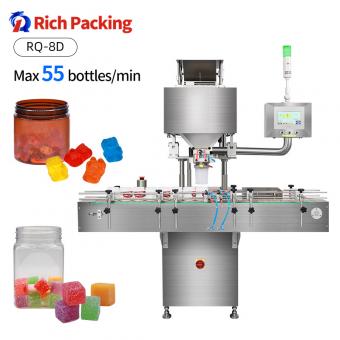
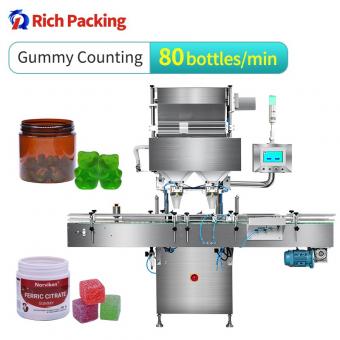
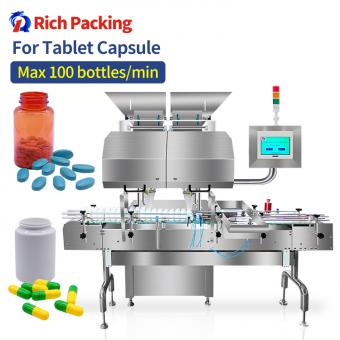
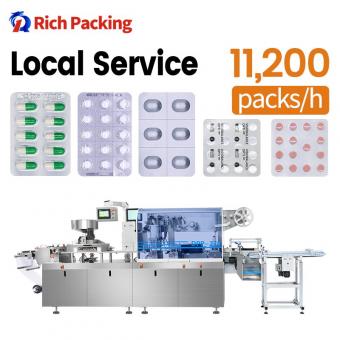
29+ years in pharmaceutical machinery, covering capsule filling, tablet pressing, blister packaging, tablet and capsule counting, cartoning, GMP production, and overseas machine service.

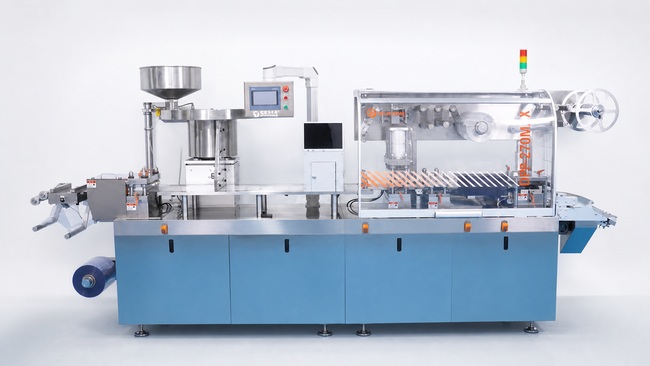
بالنسبة لشركة تصنيع الأدوية التعاقدية أو شركة تصنيع الأدوية التعاقدية أو شركة تصنيع المعدات الأصلية، قد يحتاج خط تعبئة واحد في عبوات نفطة إلى التعامل مع منتجات مختلفة، وأحجام أقراص أو كبسولات، وترتيبات تجويف مختلفة، وأبعاد عبوات نفطة نهائية مختلفة بمرور الوقت.
يعتمد معدل تغيير المواصفات الفعلي على مجموعة منتجات كل مصنّع، وطلبات العملاء، وأحجام الدفعات. قد تُجري بعض المصانع حملات إنتاج طويلة لنفس المنتج، بينما قد تُغيّر مصانع أخرى المواصفات بوتيرة أسرع. المهم هو ما يحدث عند الحاجة إلى تطبيق المواصفات التالية في الإنتاج.
في هذه البيئة، السرعة المقدرة لتشغيلآلة تغليف الفقاعاتلا يروي هذا سوى جزء من القصة. يمكن للآلة أن تعمل بسرعة بمجرد بدء الإنتاج، ولكن إذا تطلب كل تغيير في التنسيق تفكيكًا مطولًا ومحاذاة يدوية وتشغيلات اختبار متكررة، فسيظل جزء كبير من وقت الإنتاج المتاح يضيع بين الدفعات.
بالنسبة لمصنعي العقود،وقت التغييريُعد جزءًا من الطاقة الإنتاجية الحقيقية.
لذا، لا ينبغي أن يقتصر سؤال الشراء على "ما هي سرعة تشغيل آلة التغليف؟" بل يجب أن يشمل أيضاً: "ما هي سرعة تجهيز خط الإنتاج لمواصفات المنتج التالية؟"
إن تغيير مواصفات عبوة البليستر من واحدة إلى أخرى لا يقتصر على استبدال قالب واحد. فبحسب المنتج وتصميم عبوة البليستر، قد يلزم تغيير أو تعديل العديد من محطات العمل، بما في ذلك:
على سبيل المثال، قد يتطلب تغيير حجم القرص أو الكبسولة إعادة ترتيب التجويف، بينما قد يؤثر تغيير حجم صفيحة التغليف النهائية على أدوات التشكيل والقطع. وتُصبح كل محطة إضافية مصدرًا محتملاً آخر لوقت التعديل إذا لم يكن موضعها قابلاً للتكرار.
لهذا السبب، يُعد تصميم عملية التغيير أهم من عدد البراغي وحدها. السؤال الحقيقي هو مقدار العمل المتبقي في عملية المحاذاة بعد تركيب الأدوات الجديدة.
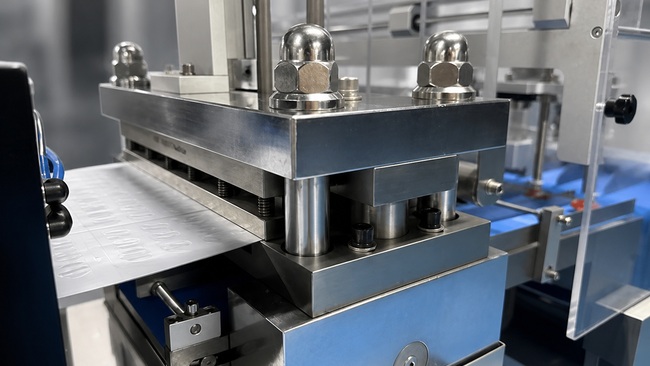
لا تكمن المشكلة الأكبر في تغيير آلة التغليف التقليدية في مجرد حاجة المشغلين إلى إزالة المزيد من البراغي أو رفع المزيد من أجزاء القالب، بل يعتمد معظم العملية على خبرة الفني ومعرفته بالآلة.
بعد تركيب القوالب العلوية والسفلية، لا يزال الضبط اليدوي ضروريًا. قد تؤثر الانحرافات الطفيفة على موضع التشكيل، ودقة الإحكام، أو محاذاة القطع. قد يحتاج الفني إلى فكّ أداة التشكيل، وتحريكها قليلًا، ثم إعادة ربطها، وإجراء اختبار آخر. يمكن تكرار هذه العملية عدة مرات حتى يصبح الموضع مقبولًا.
لأن هذا التعديل يعتمد بشكل كبير على التقدير الشخصي، فإن الوقت المطلوب يمكن أن يختلف اختلافًا كبيرًا من مشغل لآخر.
بحسب خبرتنا، قد يحتاج حتى الفني الخبير إلى أكثر من ساعة. أما المشغل غير المتمرس فقد يقضي نصف يوم ولا يزال يفشل في إتمام عملية الضبط بشكل صحيح.
بالنسبة لشركة تصنيع متعاقدة، فإن هذا يخلق خطرًا عمليًا على الإنتاج: فالكفاءة لا تعتمد فقط على الآلة، ولكن أيضًا على من يقوم بعملية التغيير في ذلك اليوم.
إذا كان هناك فني أو اثنان من ذوي الخبرة قادرين على إكمال عملية محاذاة القوالب بشكل موثوق، فإنهم يصبحون عائقاً كلما احتاج الإنتاج إلى التحول إلى مواصفات أخرى.
وبالتالي، يمكن أن يؤثر التغيير التقليدي على ما يلي:
لا يقتصر هدف نظام التبديل الأسهل على جعل الفني نفسه يعمل بشكل أسرع فحسب، بل يجعل العملية أكثر اتساقًا ويقلل الاعتماد على خبرة الفني الفردية.
في نماذج وتكوينات آلات التعبئة والتغليف بالبثور من شركة Rich Packing، تستخدم محطات تغيير القوالب الرئيسية هيكلًا معياريًا مع تحديد المواقع الثابتة.
بدلاً من مطالبة الفني بتركيب مكونات القالب العلوية والسفلية بشكل منفصل ثم البحث يدوياً عن وضع التشغيل الصحيح، يمكن التعامل مع مجموعة القالب كوحدة متكاملة. تعمل هياكل التثبيت الثابتة على توجيه الوحدة إلى موقعها المقصود.
تصبح عملية التغيير الأساسية كالتالي:
بالنسبة للنماذج والتكوينات المناسبة، يمكن للمشغل المدرب إكمال عملية تغيير قالب الماكينة بالكامل في حوالي 15 دقيقة، وذلك اعتمادًا على شكل الفقاعة وتكوين الماكينة.
لا تكمن النقطة الأساسية في مجرد تحقيق تغيير في غضون 15 دقيقة. بل يكمن التحسين الأكبر في أن المشغل لم يعد بحاجة إلى الاعتماد بشكل كبير على المحاذاة اليدوية المتكررة أو الخبرة الشخصية "لإيجاد" الوضع الصحيح للقالب بعد كل عملية استبدال.
الهدف هو تحويل عملية التغيير من مهمة تعتمد على الخبرة إلى إجراء تشغيلي أكثر توحيدًا.
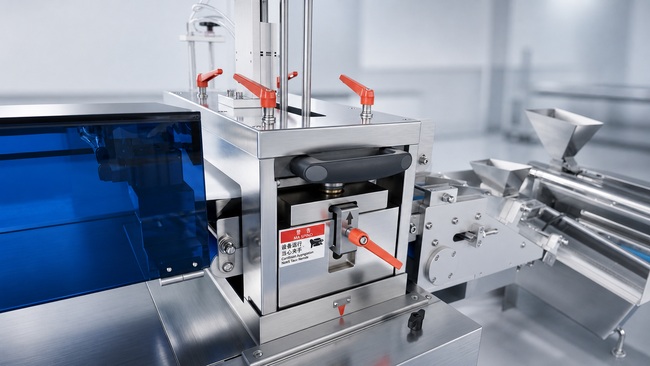
تُعدّ محطة القطع من المناطق التي قد يصبح فيها تغيير القوالب التقليدي صعباً للغاية. إذ يجب أن تعمل قوالب القطع العلوية والسفلية في الوضع النسبي الصحيح.
إذا لم يكن المحاذاة صحيحة، فقد تحتوي صفيحة التغليف النهائية على حواف غير متساوية، أو أبعاد غير صحيحة، أو قطع غير مكتملة. في الإعداد التقليدي، قد يحتاج المشغل إلى فك قالب القطع، وإعادة وضعه، ثم إحكام ربطه مرة أخرى، وإجراء اختبار آخر عدة مرات قبل الوصول إلى وضع قطع مقبول.
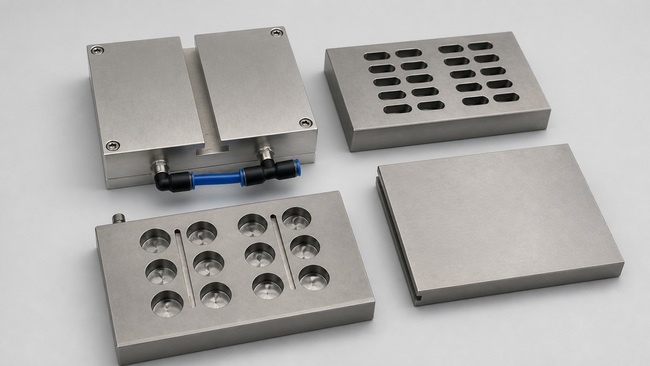
تستخدم شركة ريتش باكينج محطة قطع معيارية من نوع الأدراج في التكوينات المناسبة. يمكن سحب قالب القطع بالكامل كوحدة واحدة. عند تغيير شكل العبوة، يقوم المشغل بإزالة الوحدة الحالية، وإدخال الوحدة الجديدة في فتحة التثبيت الثابتة، وتثبيتها في مكانها.
يقلل هذا من الحاجة إلى إعادة ضبط الوضع اليدوي بين مكونات القطع العلوية والسفلية. بالنسبة للمصنعين الذين يحتاجون إلى تغيير التنسيقات وفقًا لهيكل طلباتهم، تتمثل الفائدة العملية في تقليل الوقت المستغرق في إيجاد موضع القطع الصحيح قبل بدء دفعة جديدة.
كما أنه يساعد في تقليل عمليات التشغيل التجريبية غير الضرورية التي يتم إجراؤها فقط لتصحيح محاذاة القطع، مما قد يقلل بدوره من استهلاك مواد التعبئة والتغليف أثناء الإعداد.
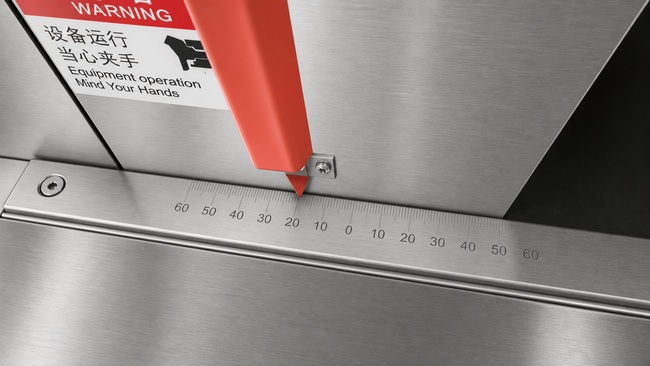
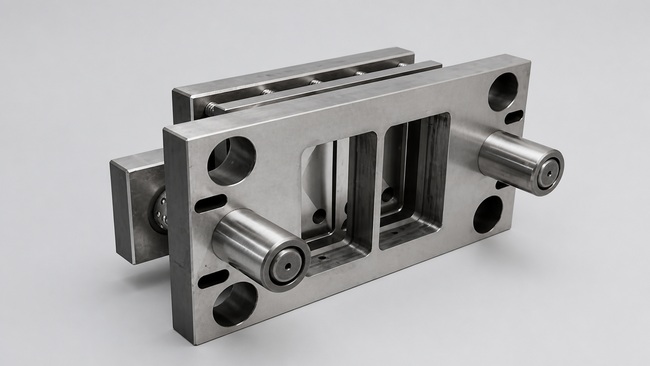
وينطبق المبدأ نفسه على محطة التشكيل. ففي آلة التغليف التقليدية، يتم عادةً تركيب قوالب التشكيل العلوية والسفلية بشكل منفصل، ثم يتم ضبطها يدويًا لضمان محاذاة دقيقة للتجويف.
بفضل محطة التشكيل المعيارية، يتم تجميع مجموعة القوالب الكاملة كوحدة واحدة. يقوم المشغلون ببساطة بإدخال الوحدة في فتحة التثبيت الخاصة بها وتثبيتها في مكانها، مما يقلل من أعمال الضبط ويجعل عمليات التغيير أكثر اتساقًا.
لا يكون استبدال القوالب بسهولة مفيدًا إلا إذا كانت الأدوات قادرة أيضًا على الحفاظ على أداء مستقر على المدى الطويل للإنتاج.
تستخدم شركة ريتش باكينج فولاذ الأدوات الياباني DC53 في قوالب القطع. يتميز هذا الفولاذ بصلابة عالية، ومقاومة للتآكل، وثبات في الأبعاد. مع التشغيل والصيانة الصحيحين، يمكن أن يبقى قالب القطع في الخدمة لأكثر من 15 عامًا. بالنسبة لمصنّع متعاقد يستخدم خط إنتاج واحد لمنتجات عملاء مختلفين، فإن استخدام أدوات متينة يقلل من مصدر آخر لانقطاع الإنتاج. يجب أن يستمر قالب القطع المستخدم بكثرة في إنتاج ألواح نهائية بأبعاد متناسقة وحواف نظيفة خلال دورات الإنتاج المتكررة.
كما يساعد سطح القطع على إنتاج حواف فقاعية ناعمة، مما يقلل من الحواف الخشنة أو الحادة أثناء الفحص والتعبئة والتداول.
من الناحية العملية، تؤثر جودة قالب القطع على دقة القطع، ومظهر الفقاعة النهائية، وعمر خدمة الأدوات، وتكرار الصيانة، واتساق الإنتاج.
|
مقارنة |
شفرة القطع DC53 |
شفرة قطع تقليدية |
|
مقاومة التآكل |
★★★★★ ممتاز |
★★★☆☆ قياسي |
|
صلابة |
صلابة عالية ومقاومة قوية للتشقق |
أكثر عرضة للتآكل أو التشقق عند الاستخدام المستمر |
|
الاحتفاظ بالحواف |
يحافظ على حافة قطع حادة لإنتاج طويل الأمد |
يتطلب شحذًا أو استبدالًا أكثر تكرارًا |
|
ثبات القطع |
أداء قطع ثابت على مدار دورات إنتاج ممتدة |
يتراجع الأداء تدريجياً مع تآكل الشفرة |
|
تواتر الصيانة |
قليل |
مرتفع نسبياً |
|
Typical Service Life |
Up to 12+ years under normal operating and maintenance conditions |
Heavy-duty use: replacement every 10–12 months |
|
Downtime |
Fewer blade changes and less maintenance downtime |
More frequent maintenance may interrupt production |
|
Long-Term Value |
Higher durability and lower long-term replacement cost |
Lower initial cost but higher replacement frequency |
“Reduced downtime” is correct, but it is too general to explain the full value of faster mold changeover for contract manufacturing.
A traditional changeover can take an experienced technician more than one hour, while an operator without enough experience may spend half a day and still struggle with alignment. Reducing this dependence frees experienced technicians from repeatedly handling routine format changes.
During mold adjustment, the machine is not producing saleableblister packs. A shorter and more predictable changeover therefore increases the amount of available production time between batches.
Manual alignment normally requires trial runs. Every additional test can consume PVC, aluminum foil and, depending on the setup procedure, product. More accurate repeat positioning helps reduce unnecessary adjustment runs.
If changeover time varies from just over one hour to half a day depending on technician experience, production managers have difficulty building a reliable schedule. A standardized process makes the interval between two specifications easier to estimate.
For contract manufacturers, predictability can be just as valuable as speed.
For a factory producing one blister format continuously, changeover design may not be the first purchasing consideration. For a CDMO, OEM manufacturer or pharmaceutical contract manufacturer, the situation is different.
Before purchasing a blister packaging machine, do not only ask for maximum production speed. Also ask:
These questions often reveal more about suitability for contract manufacturing than maximum cycle speed alone. For multi-product production, availability, repeatability and changeover time all contribute to actual usable capacity.
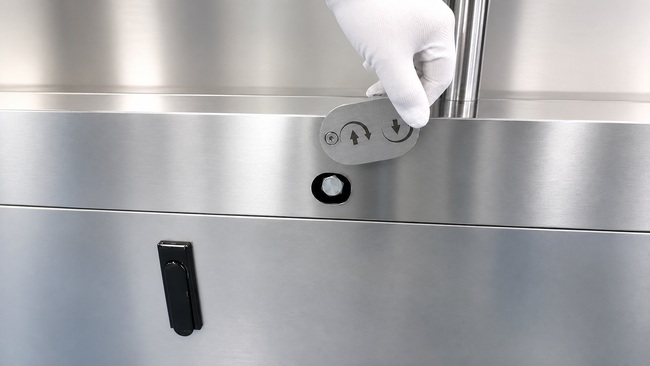
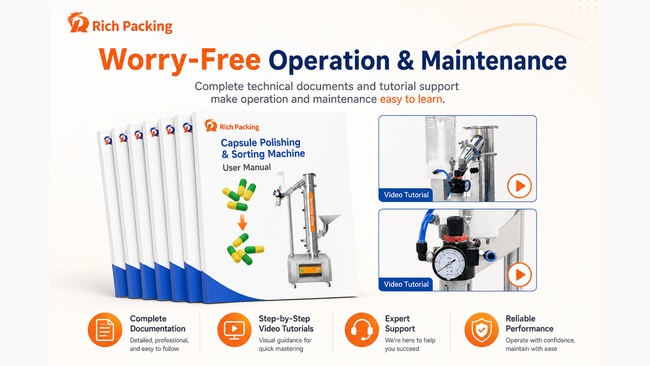
Even when the mechanical structure is designed to simplify changeover, operators still need to understand the correct installation sequence, locking procedure and parameter settings.
Rich Packing provides supporting technical documents, operating manuals and mold installation tutorials with the machine. Remote video guidance is also available for mold installation, parameter adjustment, machine operation and troubleshooting.
When required, engineers can provide on-site installation, commissioning and operator training.
For contract manufacturers, this support matters because new products and new mold sets may be introduced after the original machine installation. The objective is therefore not only to complete the first setup, but also to help operators manage future format changes reliably.
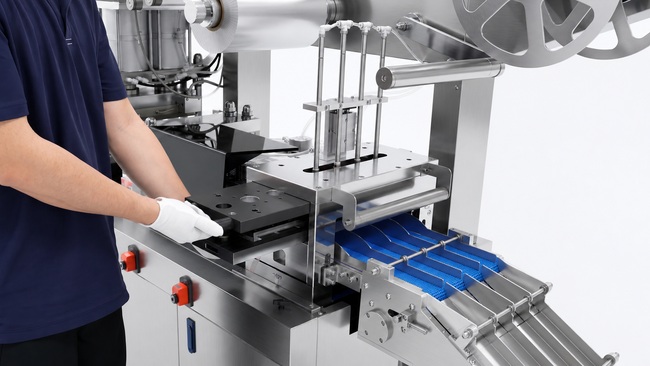
For a pharmaceutical contract manufacturer, CDMO or OEM plant, mold changeover is not a minor maintenance detail. It directly affects how efficiently the production line can move from one product specification to the next whenever customer demand requires a change.
Traditional mold changeover can be highly dependent on technician experience. Even an experienced technician may need more than one hour, while an operator without sufficient experience may spend half a day and still struggle to complete the adjustment correctly. This creates downtime, setup waste and uncertainty in production planning.
On applicable Rich Packing blister packaging machine configurations, modular mold structures, drawer-style cutting modules and fixed positioning are designed to reduce repeated manual alignment. A trained operator can complete the complete mold changeover in approximately 15 minutes, depending on the specific blister format and machine configuration.
Combined with Japanese DC53 cutting dies and technical support for operator training, the design helps make changeover more repeatable and less dependent on individual technician feel.
For contract manufacturers, the right blister packaging machine is not only the one that runs fast. It is the one that can be prepared for the next specification with less downtime, less adjustment and less uncertainty.
يعتمد الوقت على بنية الماكينة، وشكل العبوة، وخبرة المشغل. ففي الأنظمة التقليدية، قد يحتاج حتى الفني الخبير إلى أكثر من ساعة، بينما قد يقضي المشغل غير الخبير نصف يوم ولا يزال يواجه صعوبة في الضبط. أما بالنسبة لطرازات وتكوينات Rich Packing المعيارية المناسبة، فيمكن للمشغل المدرب إتمام عملية تغيير القالب بالكامل في غضون 15 دقيقة تقريبًا.
قد تحتاج شركات التصنيع التعاقدية، وشركات تطوير وتصنيع الأدوية، وشركات تصنيع الأدوية الأصلية إلى التعامل مع مواصفات عملاء مختلفة على خط الإنتاج نفسه. يُقلل تغيير الإنتاج بشكل أسرع وأكثر قابلية للتكرار من وقت التوقف بين الدفعات، ويجعل تخطيط الإنتاج أقل اعتمادًا على خبرة الفنيين الفردية.
اعتمادًا على المنتج وتصميم العبوة، قد يشمل التغيير محطة التشكيل، ونظام التغذية، ومحطة اللحام الحراري، ومحطة ترميز الدفعات، ومحطة القطع.
نعم، عندما تكون الآلة مزودة بمجموعات القوالب المناسبة ويقع المنتج ضمن نطاق عمل الآلة. قد تتطلب أحجام الأقراص أو الكبسولات المختلفة، وترتيبات التجاويف، وأبعاد العبوة النهائية أدوات مختلفة.
يعتمد ضبط المحاذاة اليدوي التقليدي في كثير من الأحيان بشكل كبير على خبرة الفني. وقد صُمم هيكل معياري ذو وضعية ثابتة لتقليل هذا الاعتماد. بعد التدريب المناسب، يستطيع المشغلون العاديون إكمال العديد من خطوات التغيير بشكل أكثر اتساقًا على التكوينات المناسبة.
قد تتطلب عملية المحاذاة التقليدية تجارب متكررة قبل التأكد من صحة مواضع التشكيل والختم والقطع. أما المحاذاة الأكثر دقة فيقلل من دورات الضبط غير الضرورية، مما يساعد على تقليل استهلاك مادة PVC ورقائق الألومنيوم والمنتج أثناء الإعداد.
إلى جانب سرعة التشغيل، تحقق من إجراءات التغيير الفعلية، وطريقة تحديد موضع القالب، ووقت استبدال الأدوات، ومتطلبات المشغل، وعدد خطوات الضبط، ونفايات الإعداد المتوقعة، والدعم الفني المتاح بعد التسليم.

29+ years in pharmaceutical machinery, covering capsule filling, tablet pressing, blister packaging, tablet and capsule counting, cartoning, GMP production, and overseas machine service.

بريد إلكتروني : manager@richpacking.cn
Building D, No. 226, Beishan Qiaotou Street, Haizhu District, Guangzhou City, Guangdong Province, China


 دعم شبكة IPv6