






 منزل، بيت
 منتجات
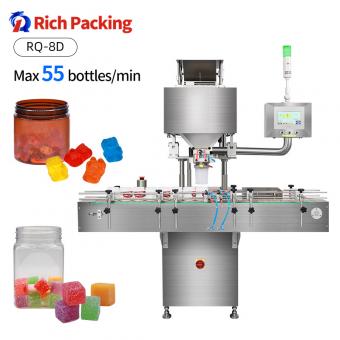
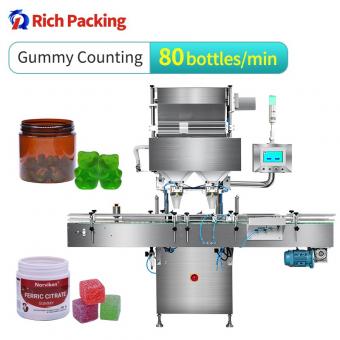
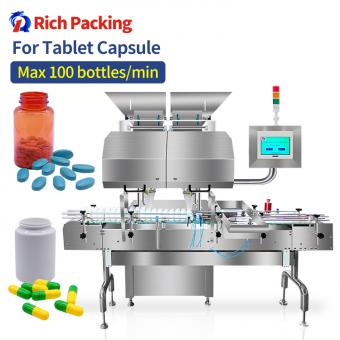
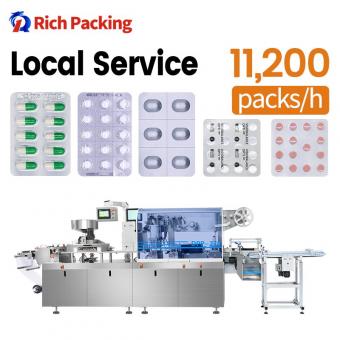
29+ years in pharmaceutical machinery, covering capsule filling, tablet pressing, blister packaging, tablet and capsule counting, cartoning, GMP production, and overseas machine service.

في مجال تغليف الأدوية، لا تقتصر مواد الآلات على تصميم المعدات فحسب، بل يمكنها أن تؤثر بشكل مباشر على الامتثال للوائح، وسلامة المنتج، والأداء على المدى الطويل.
تتميز المواد الشائعة، مثل الفولاذ المقاوم للصدأ 304، والفولاذ المقاوم للصدأ 316/316L، وسبائك الألومنيوم، ومادة PTFE، بخصائص مختلفة وتُستخدم في مكونات الآلات المختلفة. لكن اختيار المادة المناسبة ليس سوى الخطوة الأولى، إذ يحتاج المصنّعون أيضًا إلى طرق موثوقة للتحقق من مطابقة المادة المستخدمة فعليًا للمواصفات المطلوبة.
إذن، كيف ينبغي اختبار هذه المواد بما يتجاوز مجرد التحقق من الشهادات؟ تشرح هذه المقالة دور مواد الآلات الشائعة، وطرق الاختبار العملية، وكيف يمكن للمشترين التحقق من جودة المواد عند اختيار وفحص آلات تغليف الأدوية.
إن اختيار مواد تصنيع الآلات لا يقتصر على جعل آلة تغليف الأدوية قوية ومتينة وجذابة بصريًا فحسب، بل يمكن أن يؤثر على الامتثال للوائح، وسلامة المنتج عند ملامسته، وموثوقية الإنتاج على المدى الطويل.
من أهم الأسباب التي تدعو إلى الاهتمام بمواد الآلات هو الامتثال للوائح التنظيمية. إذ تعمل شركات تصنيع الأدوية وفقًا لقوانين ولوائح مختلفة، ومتطلبات ممارسات التصنيع الجيدةوذلك بحسب منطقتهم والسوق المستهدف.
فعلى سبيل المثال، يخضع تصنيع الأدوية في الولايات المتحدة لمتطلبات إدارة الغذاء والدواء الأمريكية (FDA) الخاصة بممارسات التصنيع الجيدة الحالية (CGMP)، بما في ذلك المتطلبات المتعلقة بتصميم المعدات والأسطح الملامسة للمنتج. أما في الاتحاد الأوروبي، فتُحدد متطلبات ممارسات التصنيع الجيدة في المجلد الرابع من دليل EudraLex، والذي يتضمن متطلبات خاصة بالمباني والمعدات.
وعلى وجه الخصوص، بالنسبة للأسطح الملامسة للمنتجات، يشعر المنظمون بقلق بالغ بشأن ما إذا كانت المادة قادرة على:
لذلك، عند اختيار آلة تعبئة الأدوية، لا ينبغي للمشترين أن يسألوا ببساطة: "هل الآلة مصنوعة من الفولاذ المقاوم للصدأ؟" بل ينبغي أن تكون الأسئلة الأكثر أهمية هي: "ما هي المادة المستخدمة في كل مكون أساسي، ولماذا تم اختيارها، وهل هي مناسبة للمنتج والمتطلبات التنظيمية في منطقتي؟"
تحتوي آلة تغليف الأدوية عادةً على العديد من المكونات المختلفة، وليس بالضرورة أن تكون جميعها مصنوعة من نفس المادة. يجب أن يستند اختيار المادة إلى ملامستها للمنتج، ووظيفتها الميكانيكية، وبيئة التشغيل، ودرجة الحرارة، والاحتكاك، والتعرض للمواد الكيميائية.
مكونات التلامس مع المنتج
أما بالنسبة للمكونات الملامسة للمنتج، فإن مواد الآلات تتطلب عمومًا مقاومة جيدة للتآكل، وسهولة التنظيف، والتوافق الكيميائي، وانخفاض خطر التلوث.
ومن الأمثلة النموذجية ما يلي:
|
آلة |
المكونات الرئيسية للمنتج - مكونات الاتصال |
|
قادوس المسحوق، قرص الجرعات، قناة تعبئة المسحوق، مكونات نقل المسحوق |
|
|
قادوس، وحدة تغذية قسرية، قوالب، مثاقب، قناة تفريغ |
|
|
نظام التغذية، قضبان التوجيه |
|
|
قادوس المنتج، قنوات اهتزازية، مسارات عد، قناة تفريغ |
قد يكون الفولاذ المقاوم للصدأ 304 مناسبًا للعديد من التطبيقات العامة، بينما غالبًا ما يتم اختيار الفولاذ المقاوم للصدأ 316/316L حيث تكون هناك مقاومة أكبر للتآكل أو ظروف تلامس المنتج الأكثر تطلبًا.
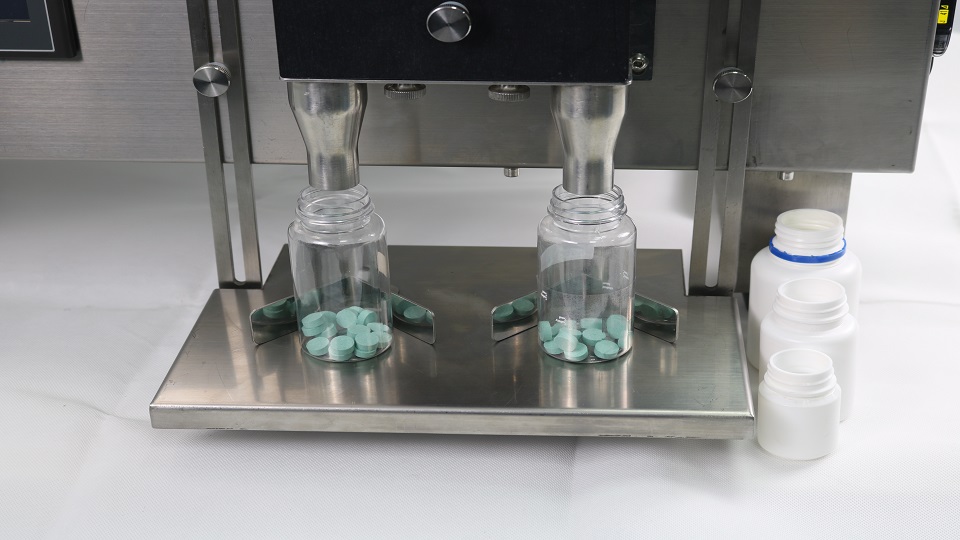
قناة تفريغ مصنوعة من الفولاذ المقاوم للصدأ 316 لآلة العد المكتبية من شركة ريتش باكينج
المكونات الهيكلية غير الملامسة للمنتج
لا تتلامس هياكل الآلات والأغطية الخارجية والأقواس والهياكل الواقية عادةً بشكل مباشر مع المنتج الدوائي. لذا، يمكن التركيز في اختيار موادها على المتانة الميكانيكية والاستقرار الهيكلي والوزن والتكلفة والمظهر. وبشكل عام، يُعدّ الفولاذ المقاوم للصدأ 304 وسبائك الألومنيوم خيارات جيدة.
مكونات للمواد الخاصة أو الصعبة
تُشكّل بعض المنتجات تحديات إضافية في اختيار مواد التصنيع. فالمساحيق اللزجة، والتركيبات المسببة للتآكل، والمواد الكاشطة، أو المنتجات الحساسة للتلوث، قد تتطلب تركيبات مواد أو معالجات سطحية خاصة. على سبيل المثال، عند تعبئة الكبسولات بالمواد اللزجة، تُستخدم قضبان تعبئة مطلية بمادة PTFE لضمان دقة جرعات المسحوق.
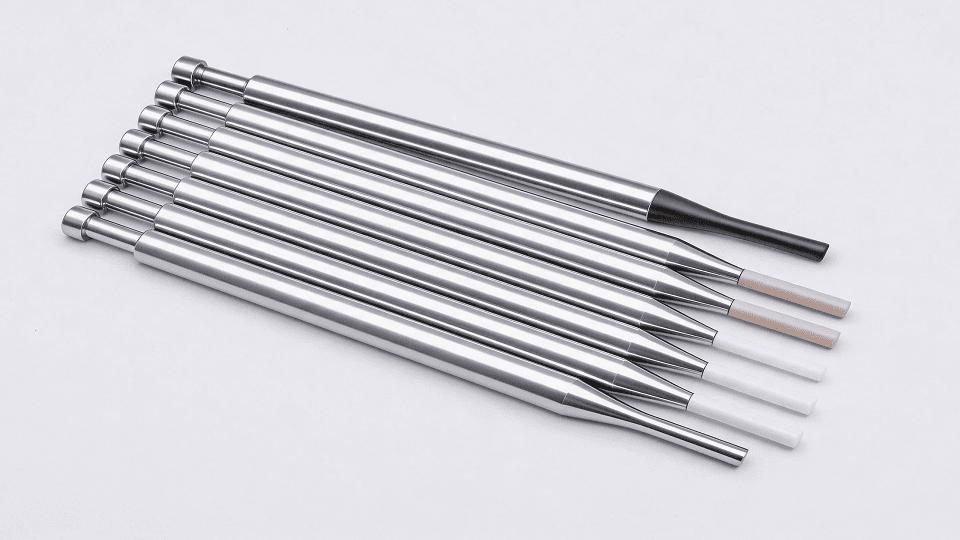
قضبان تعبئة مخصصة من شركة ريتش باكينج لماكينات تعبئة الكبسولات
تختلف متطلبات المواد المستخدمة في مكونات الآلات باختلاف وظائفها ومدى تلامسها مع المنتجات الصيدلانية. فيما يلي أربعة مواد شائعة الاستخدام وخصائصها الرئيسية وتطبيقاتها.
بفضل مقاومته للتآكل وقوته الميكانيكية وتكلفته، يُعد الفولاذ المقاوم للصدأ 304 أحد أكثر أنواع الفولاذ المقاوم للصدأ استخدامًا فيآلات صناعة الأدويةبفضل مقاومته للتآكل، يُعدّ هذا الفولاذ أكثر ملاءمةً بكثير للمعدات الصيدلانية من الفولاذ الكربوني العادي. كما أن أسطحه الملساء سهلة التنظيف تدعم تصميم المعدات الصحية.
في آلات التعبئة والتغليف الصيدلانية، يُستخدم الفولاذ المقاوم للصدأ 304 بشكل شائع في هياكل الآلات، والأغلفة الخارجية، والأغطية الواقية، ومكونات النقل، وأجزاء مختارة ملامسة للمنتج حيث لا تتطلب ظروف التشغيل مقاومة إضافية للتآكل من الفولاذ 316/316L.
مع ذلك، لا ينبغي اعتبار الفولاذ 304 تلقائيًا الخيار الأمثل لجميع التطبيقات التي تتطلب ملامسة المنتجات. فبعض المواد الصيدلانية، أو مواد التنظيف، أو البيئات قد تفرض متطلبات مقاومة للتآكل أكثر صرامة. في مثل هذه الحالات، قد يكون الفولاذ 316/316L خيارًا أنسب.
يُختار الفولاذ المقاوم للصدأ من النوع 316/316L عادةً عند الحاجة إلى مقاومة عالية للتآكل. وجود عنصر الموليبدينوم (Mo) في السبيكة يميزها عن النوع 304. يُساهم الموليبدينوم في تحسين المقاومة في بعض البيئات المسببة للتآكل، وهذا أحد الأسباب التي تجعل الفولاذ المقاوم للصدأ من سلسلة 316 خيارًا شائعًا للتطبيقات التي تتطلب تلامسًا مباشرًا مع المنتجات.
يُعدّ التمييز بين الفولاذ 316 والفولاذ 316L مهمًا أيضًا. يشير الحرف "L" إلى انخفاض نسبة الكربون. يكتسب هذا أهمية خاصة في المكونات الملحومة، لأن انخفاض نسبة الكربون يُقلل من خطر بعض أنواع التآكل المرتبطة باللحام. لهذا السبب، قد تستخدم آلة ما الفولاذ 316L في أحد مكوناتها المُصنّعة والمُلامسة للمنتج، حتى وإن كانت المكونات الهيكلية الأخرى غير المُلامسة تستخدم الفولاذ 304.
تُعدّ سبائك الألومنيوم ذات قيمة عالية في آلات تغليف الأدوية نظرًا لخفة وزنها ونسبة قوتها إلى وزنها الممتازة. وتُستخدم في هياكل الآلات، والهياكل الواقية، وبعض المكونات المتحركة، ووحدات الآلات خفيفة الوزن.
بالمقارنة مع الفولاذ المقاوم للصدأ، يُمكن للألمنيوم أن يُقلل وزن مكونات الآلات بشكل ملحوظ. وهذا يُعدّ مفيدًا بشكل خاص للمعدات المعيارية، والآليات المتحركة، والهياكل القابلة للتعديل، والآلات التي تُعتبر فيها سهولة التركيب أو النقل أمرًا بالغ الأهمية.
مع ذلك، لا ينبغي استبدال الفولاذ المقاوم للصدأ بسبائك الألومنيوم كلما أمكن ذلك. فهي عموماً أكثر فائدة للمكونات الهيكلية والمكونات خفيفة الوزن من كونها خياراً شاملاً لأسطح التلامس مع المنتجات.
مادة PTFE، أو متعدد رباعي فلورو الإيثيلين، هي بوليمر فلوري هندسي يتميز بخصائص تجعله مناسبًا لمكونات محددة بدلًا من الأجزاء الهيكلية الكبيرة. في آلات تغليف الأدوية، يمكن استخدام PTFE في المكونات المنزلقة، ومكونات الإغلاق، ومكونات منع الالتصاق، وأجزاء مختارة تتلامس مع المواد.
تشمل أهم مزاياه انخفاض الاحتكاك، ومقاومة المواد الكيميائية، وعدم الالتصاق، ومقاومة درجات الحرارة العالية. فعلى سبيل المثال، عندما تميل مادة ما إلى الالتصاق بسطح معدني، قد يساعد استخدام مكون أو سطح من مادة PTFE في تقليل الالتصاق. كما أن انخفاض احتكاكه يُعدّ مفيدًا في آليات التوجيه والانزلاق التي تتطلب حركة متكررة.
لا يُعدّ استخدام مادة ذات مقاومة كيميائية ممتازة الخيار الأمثل بالضرورة لكل تطبيق يتطلب تحمل أحمال عالية أو تآكلاً شديداً. لذا، يُنظر إلى مادة PTFE في مجال صناعة الآلات الصيدلانية على أنها مادة هندسية متخصصة تُكمّل الفولاذ المقاوم للصدأ والألومنيوم بدلاً من أن تحل محلهما.
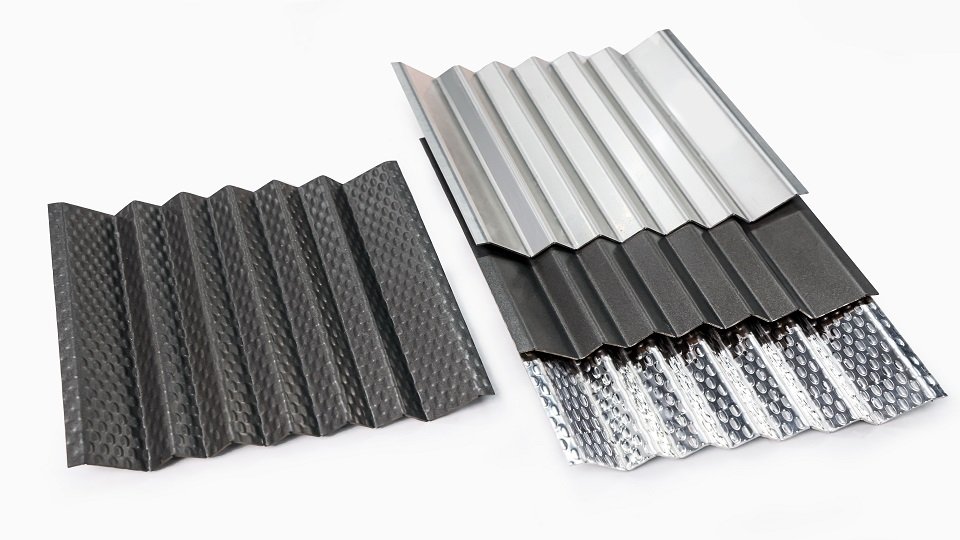
قناة اهتزاز مطلية بمادة PTFE لآلة عد الأقراص
In terms of verifying machine materials, certificates are an important part of traceability, but they are not the only way. Manufacturers can also perform spot tests or material identification tests in person. This part is to introduce several methods to test machine materials.
304 stainless steel can be verified through instrumental analysis.
XRF analysis
XRF (X-ray fluorescence) is a much more useful method for actual material identification. The basic principle is that X-rays excite atoms in the material. When the atoms return to their normal state, they emit characteristic X-rays. The instrument analyzes these signals to determine which elements are present and, within the instrument's capabilities and calibration, their concentrations.
It analyzes the alloy's elemental composition, particularly elements such as chromium and nickel, and compares the measured composition with the expected range for the target grade. This allows a manufacturer to identify whether a material is consistent with a 304-type stainless steel rather than relying on appearance or magnetism alone.
XRF is especially practical for incoming-material inspection because it is fast and can be performed with portable equipment. ASTM (American Society for Testing Material) material-identification work likewise recognizes handheld XRF as a practical tool for rapid alloy verification, while noting its limitations for certain lighter elements.
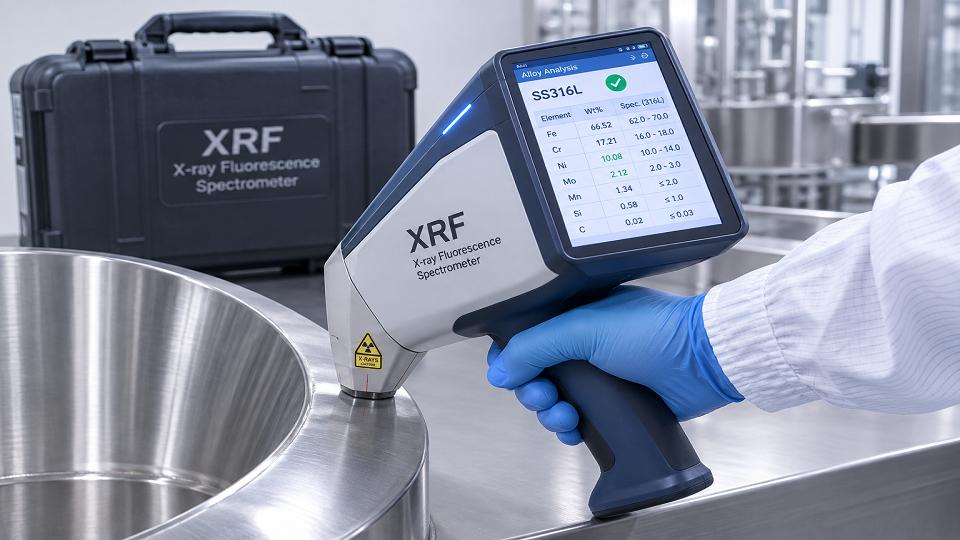
XRF analysis
OES analysis
When a more detailed analysis is required, manufacturers can use OES (Optical Emission Spectroscopy). The basic principle is different from XRF: the metal surface is excited, producing characteristic optical emission lines from the elements present.
Manufacturers can use OES spectrometer to perform the analysis. This can be useful when:
In practice, manufacturers do not necessarily need to use all methods for every 304 component. For routine verification, XRF is often the more practical instrumental test.
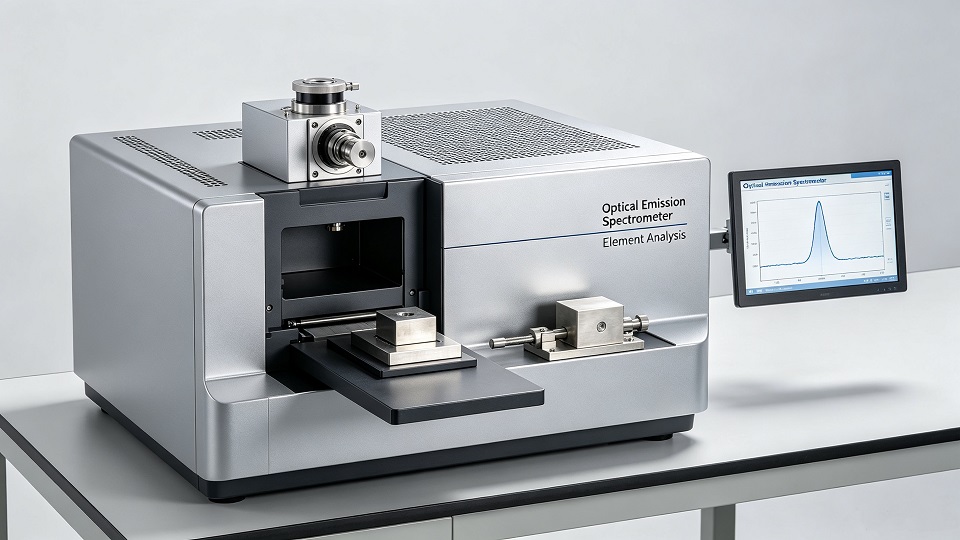
OES spectrometer
316/316L stainless steel requires particular attention because it is often selected for components where higher corrosion resistance is required. The key elemental difference between 304 and 316-series stainless steel is the presence of molybdenum (Mo) at a characteristic level in 316/316L. This makes molybdenum an important indicator when manufacturers want to distinguish 316-series stainless steel from 304.
Molybdenum Test Reagent
One practical method is a molybdenum test reagent, sometimes referred to as a 316 stainless-steel identification solution. It is based on a chemical reaction between the reagent and the machine material. Because 316/316L contains molybdenum, the reagent can produce a characteristic reaction or color change that provides a preliminary indication of whether the material contains molybdenum.
The basic process is: Prepare the surface → Apply the reagent → Observe the reaction → Compare the result → Preliminary identification
This method is attractive for manufacturers because it requires relatively little equipment. It can be useful during incoming-material inspection or for quickly checking a selected machine component.
However, the reagent test is primarily a screening method. It does not provide a complete elemental composition analysis and should not be regarded as sufficient by itself to prove the exact grade or distinguish 316 from 316L.
For critical components, a manufacturer can therefore use the reagent test as an initial check and then perform instrumental analysis if necessary.
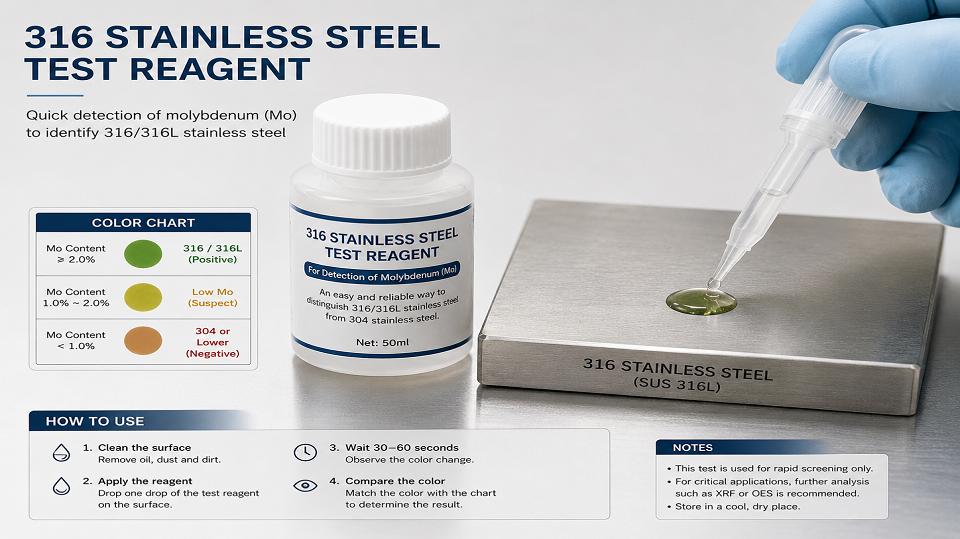
Molybdenum Test Reagent
XRF Analysis
XRF provides a more comprehensive approach to 316/316L identification. Using an XRF spectrometer, manufacturers can analyze elements such as Chromium (Cr), Nickel (Ni), and Molybdenum (Mo). The presence and relative amount of molybdenum are particularly useful when distinguishing 316-series stainless steel from 304.
Another advantage is that XRF testing is generally fast and can often be performed without cutting or destroying the component. Portable XRF instruments can therefore be useful for spot-checking materials on the factory floor.
OES Analysis
For situations where a higher level of material verification is required, manufacturers can use OES. OES can provide a more detailed elemental composition and is particularly useful when elements that are difficult to determine accurately using some portable XRF systems need to be evaluated. This can become important when a manufacturer needs to distinguish 316 from 316L, because the carbon content is one of the key differences between these two grades.
Aluminum alloy presents a different testing challenge because it is not one specific machine material. Different alloys can contain various combination of elements, such as magnesium, copper, zinc, etc.
XRF analysis
XRF can be used to analyze the elemental composition of an aluminum alloy. Depending on the alloy, the manufacturer may examine elements components by comparing the results with the expected composition of the specified alloy.
However, portable XRF systems can have limitations with lighter elements, so the instrument's capabilities and calibration need to be considered when testing aluminum alloys.
Hardness testing
Chemical composition is not the only property that can be checked. A hardness tester can provide additional information about the physical condition of the material.
The basic process is: Apply a controlled force → Create an indentation → Measure the indentation response → Obtain hardness value
Hardness testing does not identify the alloy grade by itself. Instead, it provides a physical-property check that can supplement elemental analysis.
For critical components, manufacturers may therefore combine composition testing with appropriate mechanical-property testing rather than relying on one test alone.
A practical identification method to verify PTFE is FTIR, or Fourier Transform Infrared Spectroscopy. Manufacturer can use FTIR spectrometer to perform the analysis.
The basic principle is that chemical bonds within a material absorb infrared radiation at characteristic frequencies. These can form a characteristic spectrum and then be analyzed with reference spectra. The testing process can be summarized as: PTFE sample → Infrared scanning → Characteristic spectrum → Database comparison → Material identification
FTIR is also widely applicable to other polymers including PE, PP, PVC, etc. Therefore, when a pharmaceutical packaging machine specifies PTFE for an anti-stick component, FTIR provides a practical way to verify the polymer identity rather than relying only on visual inspection or the supplier's documentation.
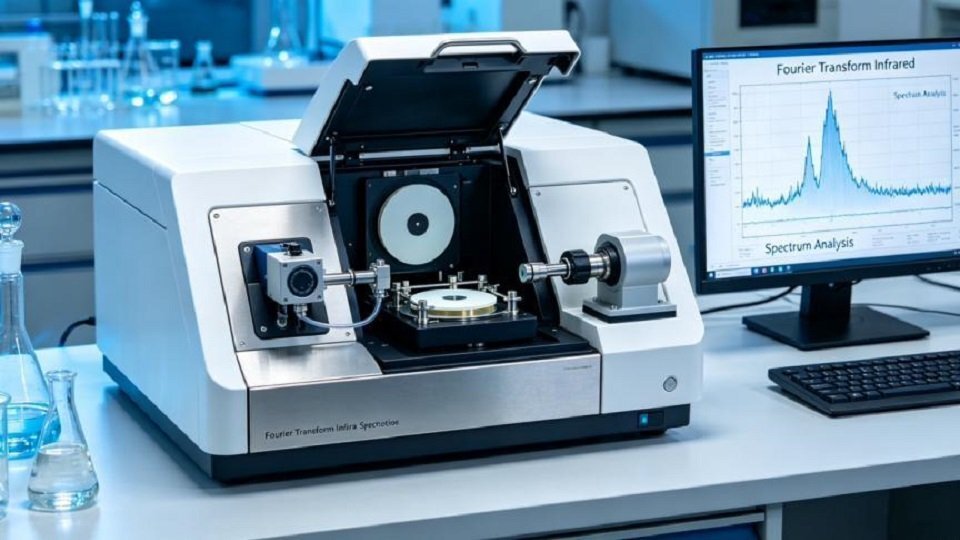
FTIR spectrometer
For a buyer evaluating a pharmaceutical packaging machine, machine material verification should go beyond asking, "Can you provide a material certificate?" The more useful approach is to understand what material is used, where it is used, why it was selected, and how the manufacturer verifies it.
Certificates are an important starting point for verifying the specified grade of machine material. However, buyers should not rely on documentation alone when evaluating critical components of a pharmaceutical packaging machine.
During fabrication, materials may be cut, welded, machined, polished, or assembled, and the buyer ultimately needs to know whether the material actually installed in the machine corresponds to the material specified in the technical documentation.
Therefore, buyers can ask suppliers to provide a material identification and verification process, particularly for product-contact components.
For example, instead of simply asking whether a machine uses stainless steel, buyers can ask the supplier to specify the material used for each critical component. A product-contact hopper may use 316L stainless steel, while the machine frame may use 304 stainless steel. This component-level information provides a much clearer understanding of the machine's material configuration.
Buyers should also ask why a particular material was selected. For example, 316L may be selected for a product-contact part because higher corrosion resistance is required, while PTFE may be selected for a guide because its low friction and non-stick properties are beneficial for product handling.
For critical materials, buyers can also request test records or sample inspection results, where appropriate. This provides additional evidence that material verification is part of the manufacturer's actual quality-control process rather than simply a statement in the machine specification.
In addition to requesting material certificates and material verification records from the supplier, buyers can also conduct on-site machine material checks during the factory inspection.
Before the factory inspection, buyers should identify which components require material verification. Priority should generally be given to product-contact parts and other critical components, rather than attempting to test every individual part of the machine.
For example, if the technical specification states that the product-contact parts of a capsule filling machine are made of 316L stainless steel, the buyer can select representative components such as the powder hopper or dosing components for spot testing through Molybdenum Test Reagent.
Buyers can record the results with the following items:
This creates a direct connection between the technical specification, machine component, and test result.
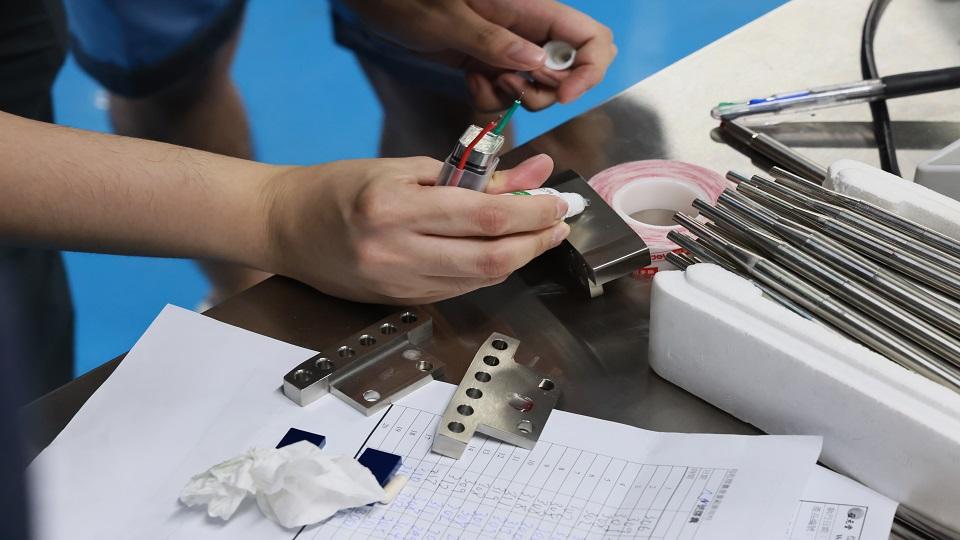
Rich Packing’s Clients is Testing 316 Stainless Steal with Reagent
Machine material selection is a critical consideration in pharmaceutical packaging. The right material can help meet applicable regulatory requirements while providing mechanical performance and product protection required for different machine components.
تتطلب المواد المختلفة أساليب تحقق مختلفة. لذا، بالنسبة للمشترين، لا ينبغي أن يقتصر التحقق من المواد على مجرد التأكد من قدرة المورد على تقديم شهادات المواد. يجب أن يمتلك المورد الموثوق عملية واضحة لمراقبة المواد، وأن يكون قادرًا على تقديم شهادات المواد، وسجلات الفحص، ونتائج الاختبارات، وغيرها من وثائق التحقق ذات الصلة بالمكونات الحيوية. وعند الضرورة، ينبغي على المورد أيضًا دعم اختبار المواد أو فحصها في الموقع أثناء زيارات المصنع واستلام الآلات.
في نهاية المطاف، لا ينبغي لمورّد آلات التعبئة والتغليف الصيدلانية الممتاز أن يكتفي بإخبار العملاء بنوع المواد المستخدمة، بل عليه أيضاً تقديم أدلة موثقة على اختيار المواد واختبارها والتحقق منها. وهذا من شأنه أن يوفر أساساً أقوى لجودة المعدات ويعزز الثقة في الامتثال للوائح.
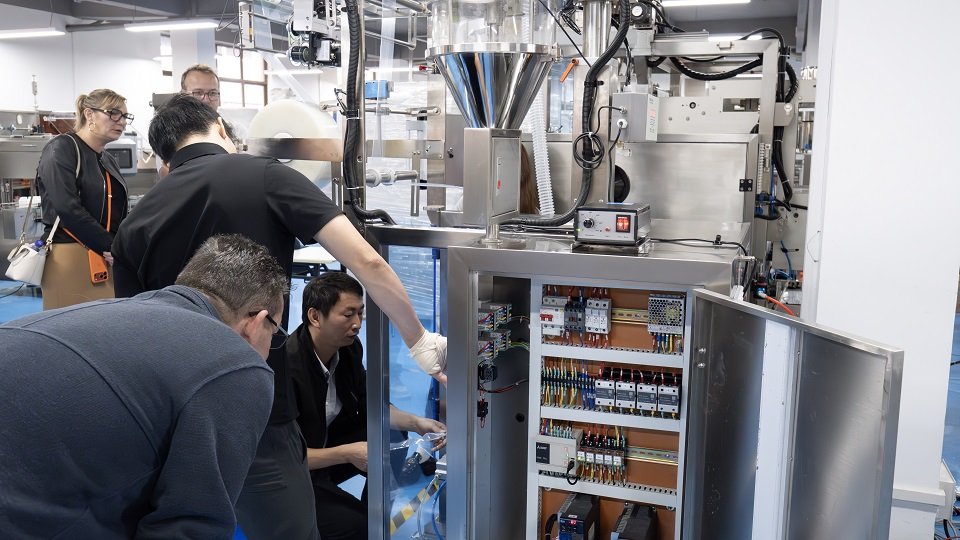
تُولي شركة ريتش باكينج اهتمامًا كبيرًا بفحص العملاء باحترافية عالية.
يوفر 316/316L مقاومة أعلى للتآكل من 304، ولذلك غالبًا ما يتم اعتباره مناسبًا لتطبيقات التلامس الصعبة مع المنتجات.
يمكن أن يوفر كاشف اختبار الموليبدينوم فحصًا أوليًا، بينما يمكن أن يوفر كل من XRF أو OES تحققًا أكثر تفصيلاً من المواد.
يمكن لتقنية الأشعة السينية الفلورية (XRF) تحليل عناصر مثل الكروم والنيكل لتحديد المواد، بينما يمكن لتقنية مطيافية الانبعاث الضوئي (OES) توفير تحليل أكثر تفصيلاً للتركيب الكيميائي.
يمكن لتقنية FTIR (مطيافية الأشعة تحت الحمراء بتحويل فورييه) تحديد مادة PTFE من خلال تحليل طيفها الجزيئي المميز.
نعم. يمكن للمشترين اختيار المكونات الحرجة أو المكونات التي تتصل بالمنتج لإجراء اختبارات موضعية في الموقع وتسجيل المكون ودرجة المادة المحددة وطريقة الاختبار ونتيجة الاختبار.

29+ years in pharmaceutical machinery, covering capsule filling, tablet pressing, blister packaging, tablet and capsule counting, cartoning, GMP production, and overseas machine service.

بريد إلكتروني : manager@richpacking.cn
Building D, No. 226, Beishan Qiaotou Street, Haizhu District, Guangzhou City, Guangdong Province, China


 دعم شبكة IPv6