قوانغدونغ الغنية التعبئة آلات المحدودةلديه تاريخ 28 عاما من الخبرة في تصنيع الآلات الصيدلانية والتعبئة الآلات.

قوانغدونغ الغنية التعبئة آلات المحدودةلديه تاريخ 28 عاما من الخبرة في تصنيع الآلات الصيدلانية والتعبئة الآلات.
تتمتع شركة Guangdong Rich Packing Machinery Co., Ltd. بتاريخ يمتد لـ 28 عامًا من الخبرة في تصنيع الآلات الدوائية وآلات التعبئة والتغليف.
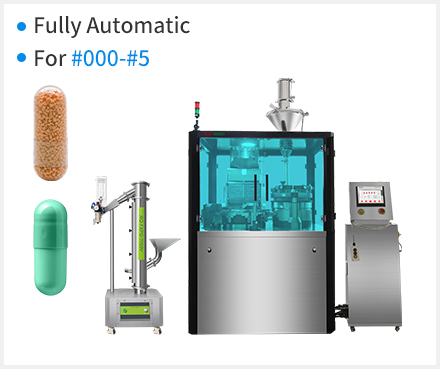
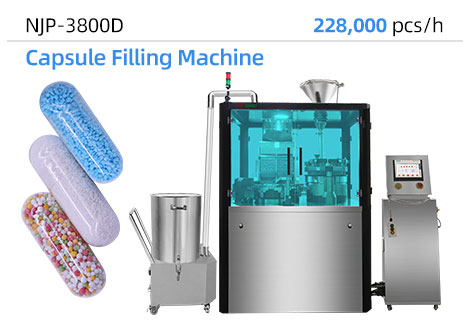
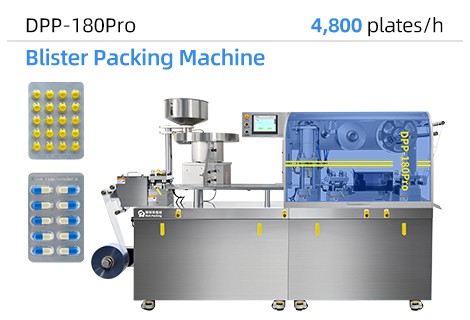
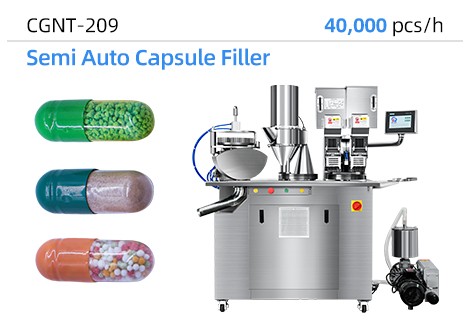
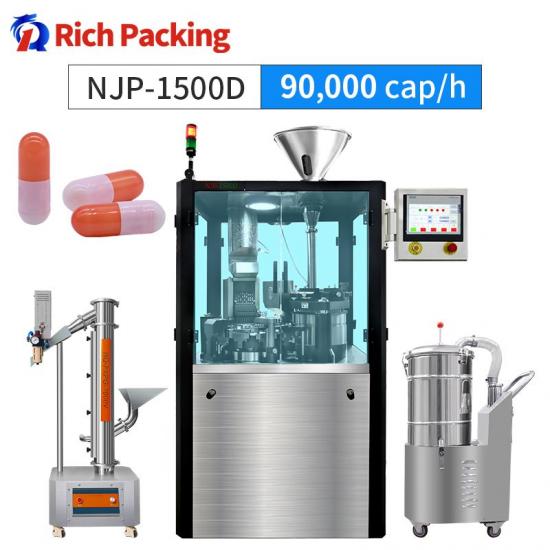
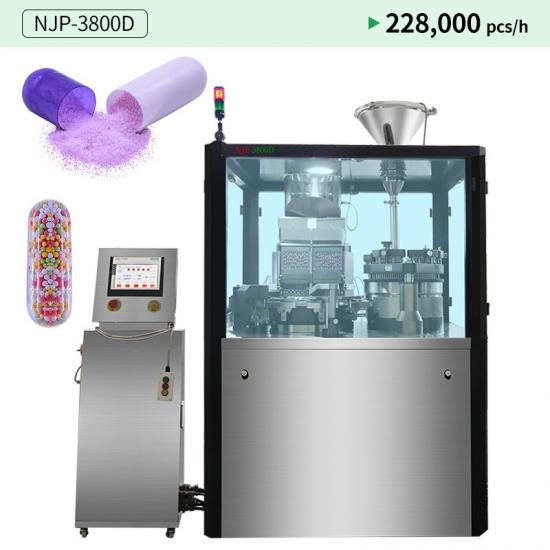
1. ذكي PLC النظام. 2. معدل تحميل كبسولة فوق 99.5٪. 3. مدفوعة بواسطة سيرفو المحرك. 4. عميق التخصيص بدعم.
View More
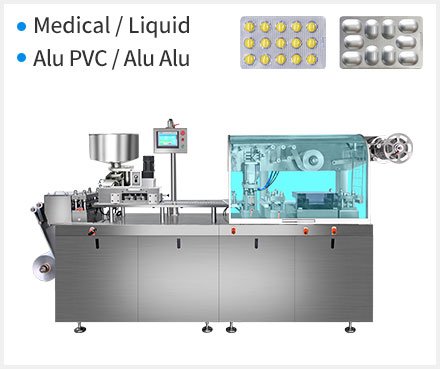
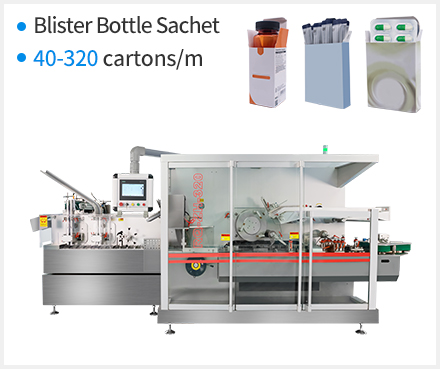
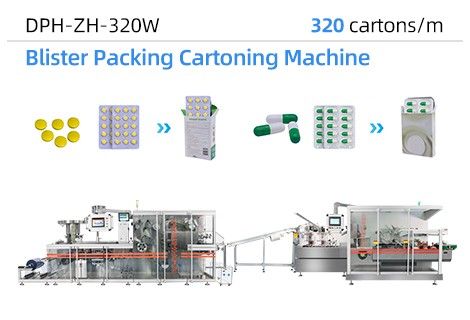
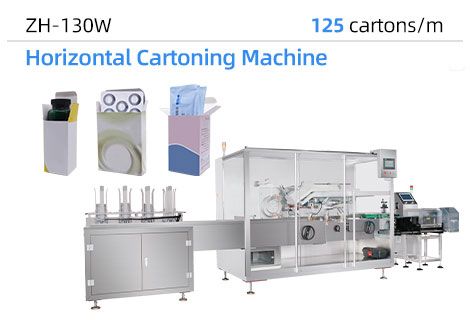
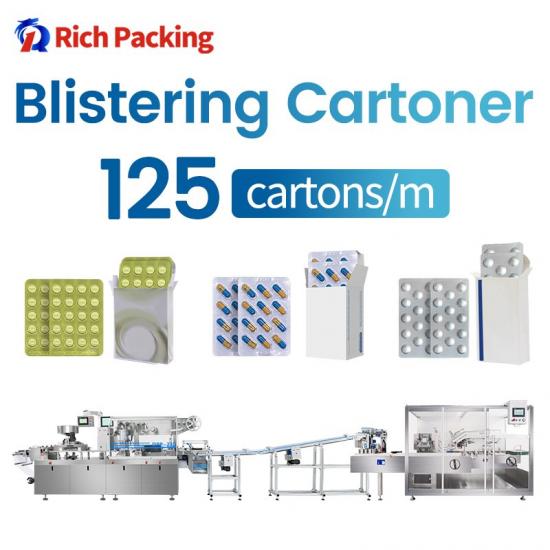
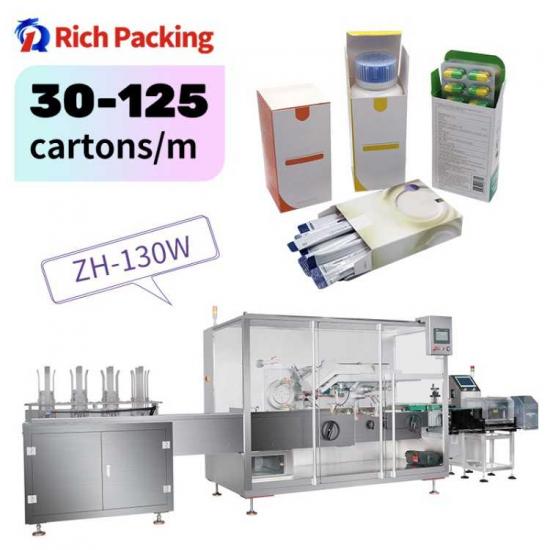
1. محرك سيرفو كامل مدفوعة. 2. حجم كبير & عمق تشكيل. 3. أقصى سعة إلى 260 كرتون / دقيقة. 4. توفير خارج الباب في الخارج الخدمة.
View More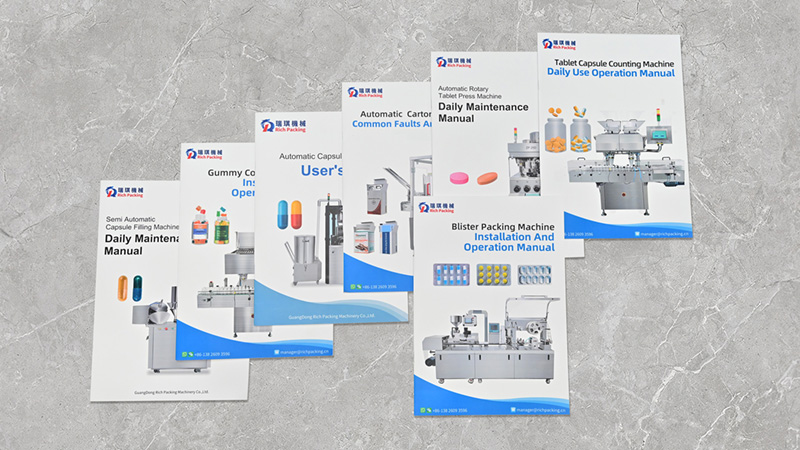
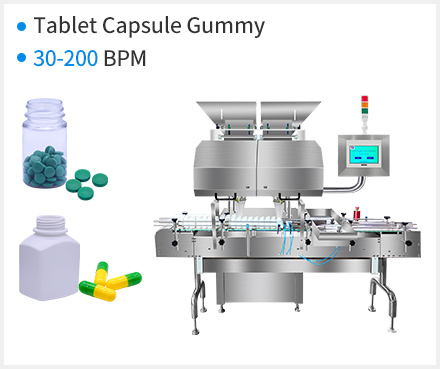
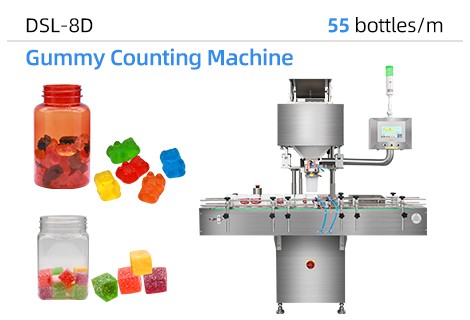
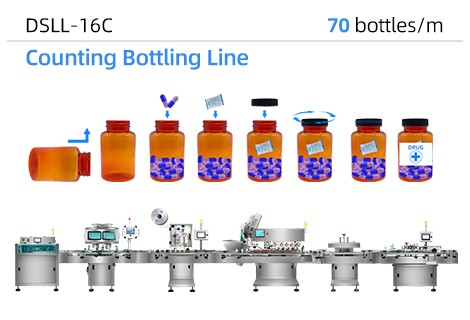
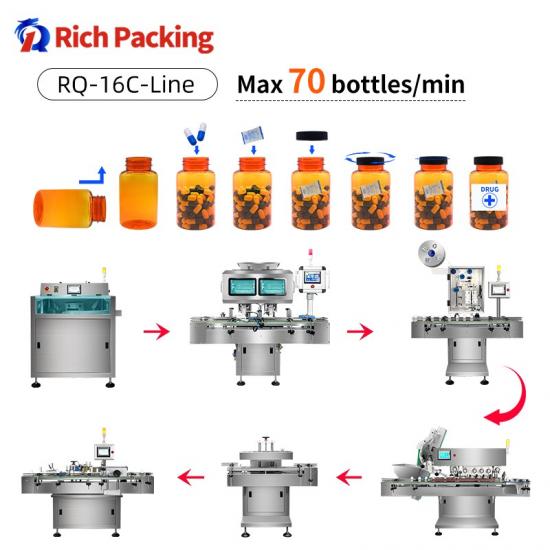
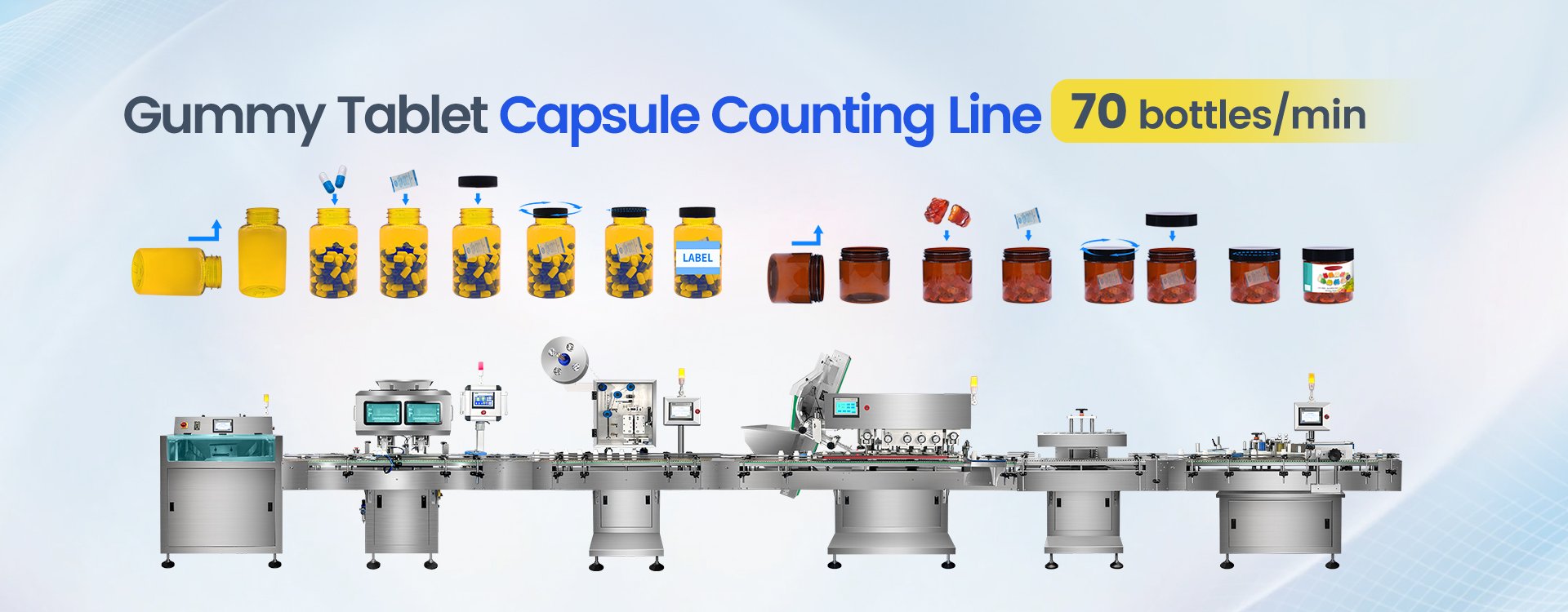
1. أجزاء رئيسية وحدات التصميم. 2. معدل عد دقة عالية > 99.98٪. 3. عميق التخصيص بدعم. 4. عد قدرة تعبئة إلى 100Bottles / دقيقة.
View More
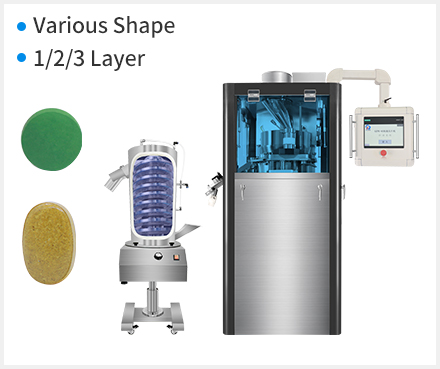
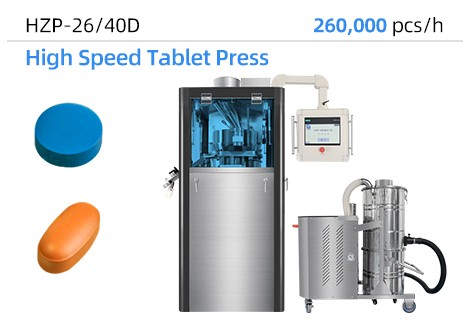
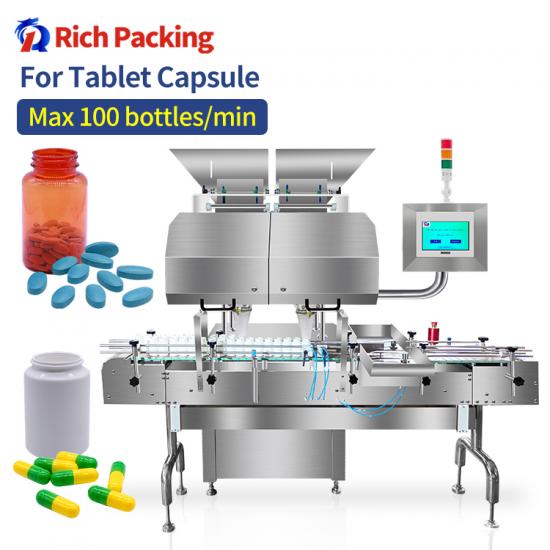
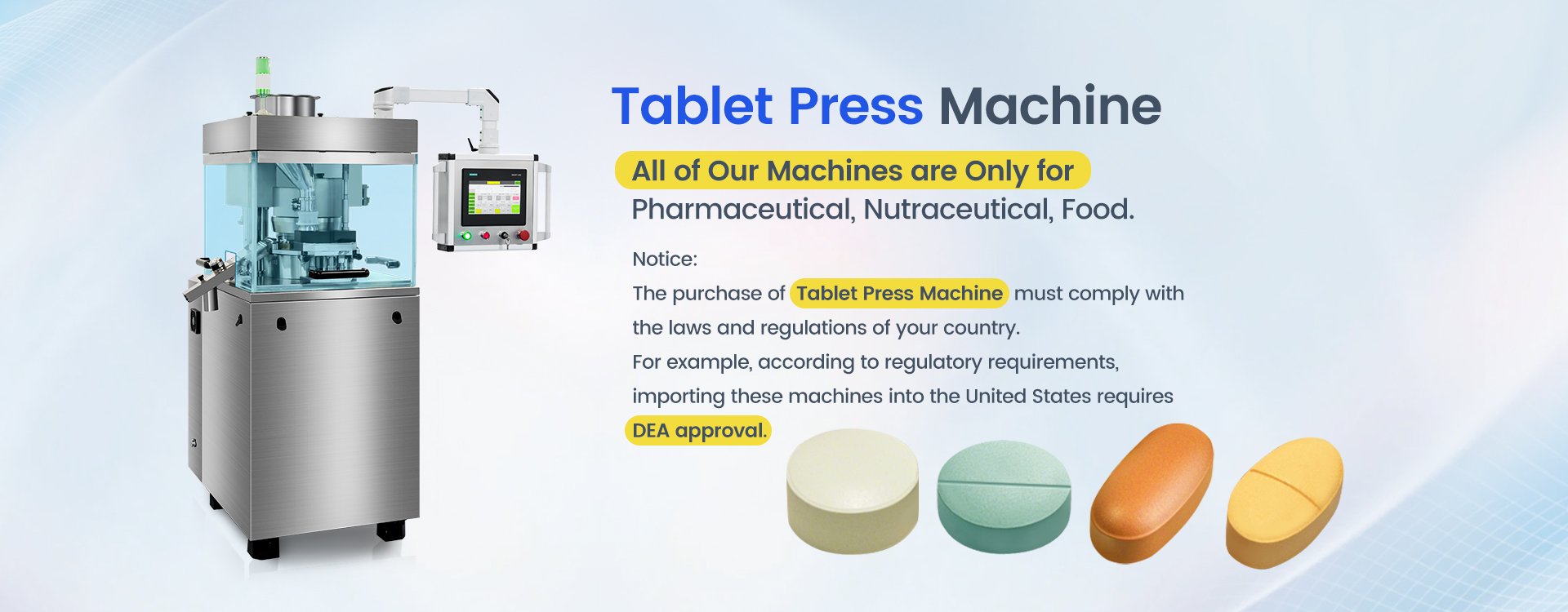
1. الانتهاء أقراص / حبوب منع الحمل شركة و ناعم. 2. عميق التخصيص بدعم. 3. ارتفاع ضغط ماكس إلى 400 KN. 4. يلتقي ISO و GMP و CGMP و SGS.
View More
مرحبا بك في Guangdong Rich Packing Machinery Co., Ltd.
معلومات عنامرحبا بك في Guangdong Rich Packing Machinery Co., Ltd.
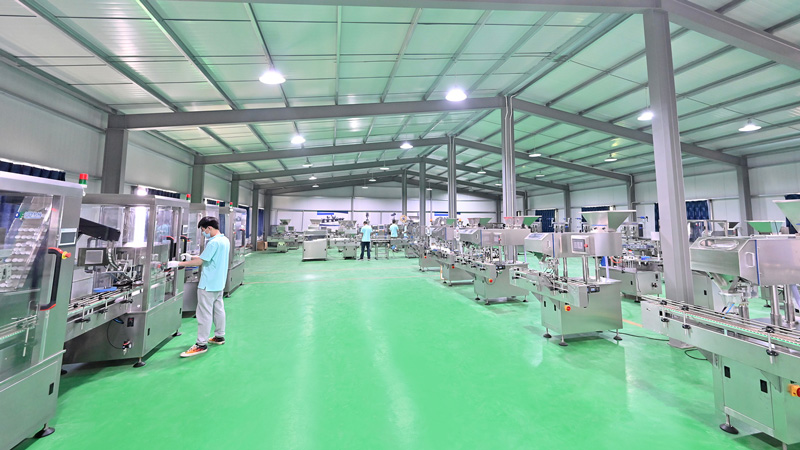
مصنع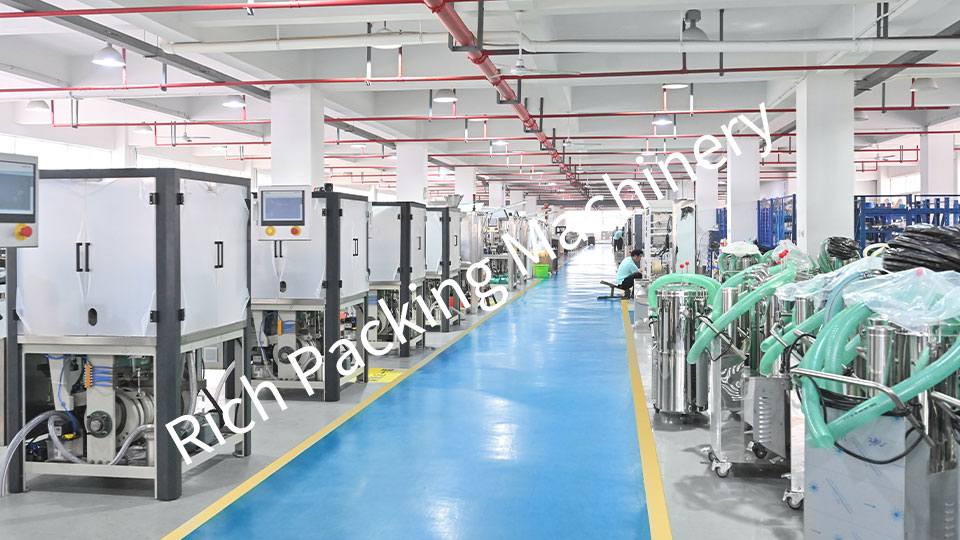
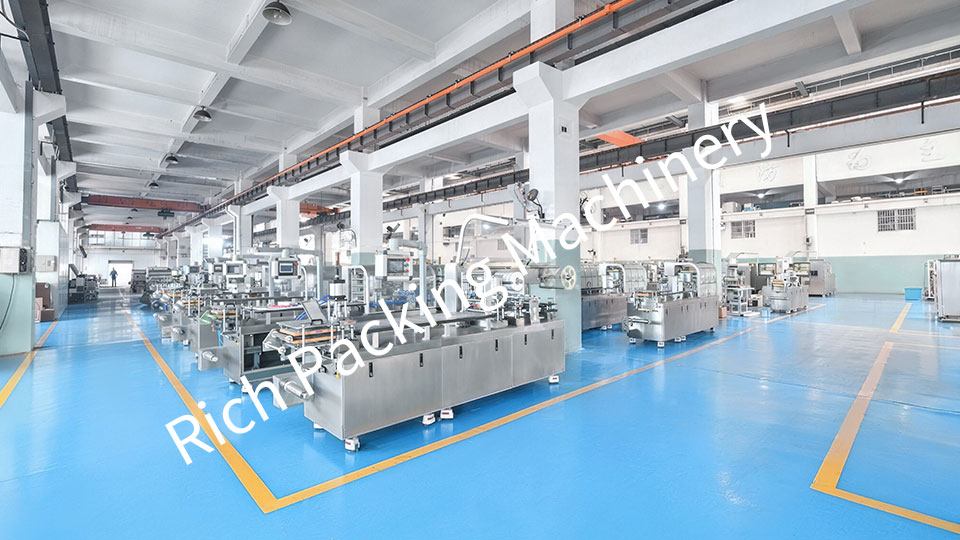
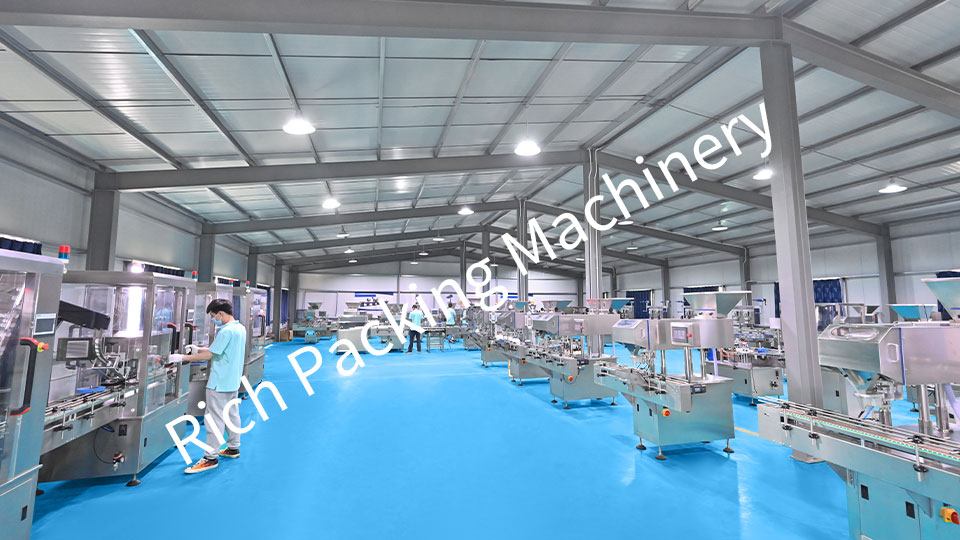
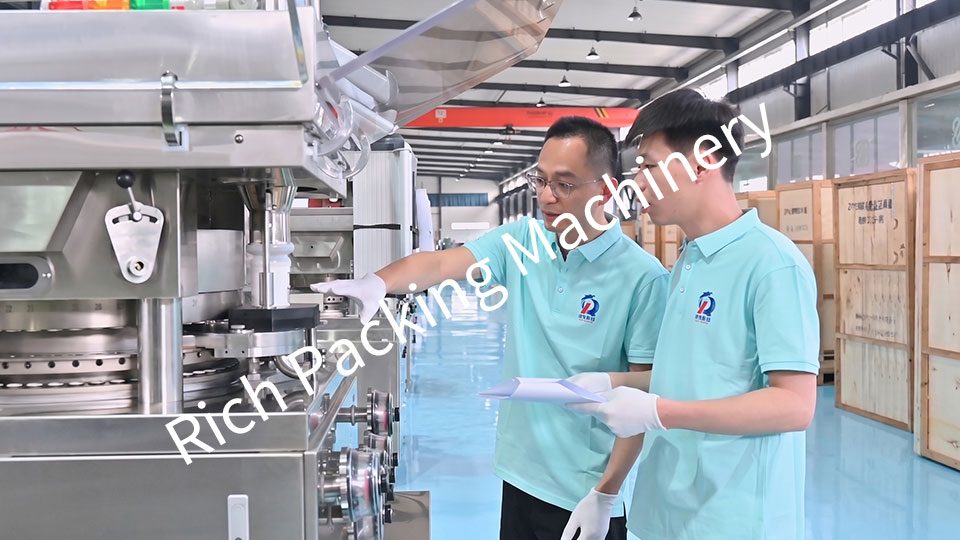
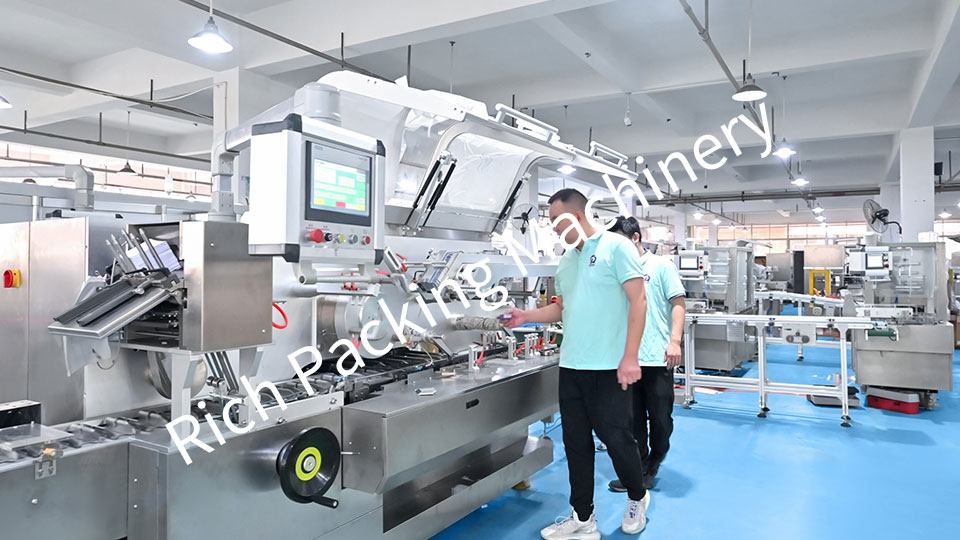
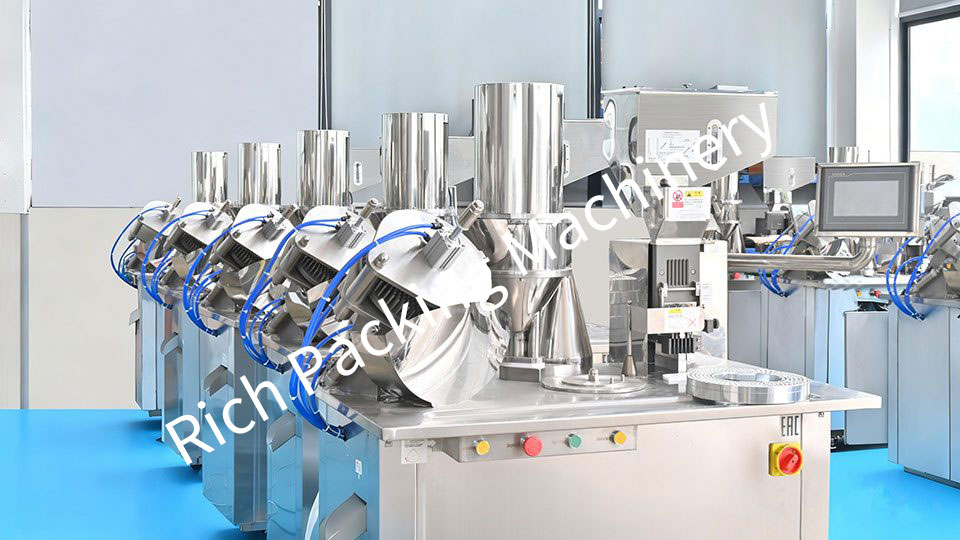
مرحبا بك في Guangdong Rich Packing Machinery Co., Ltd.
شهادة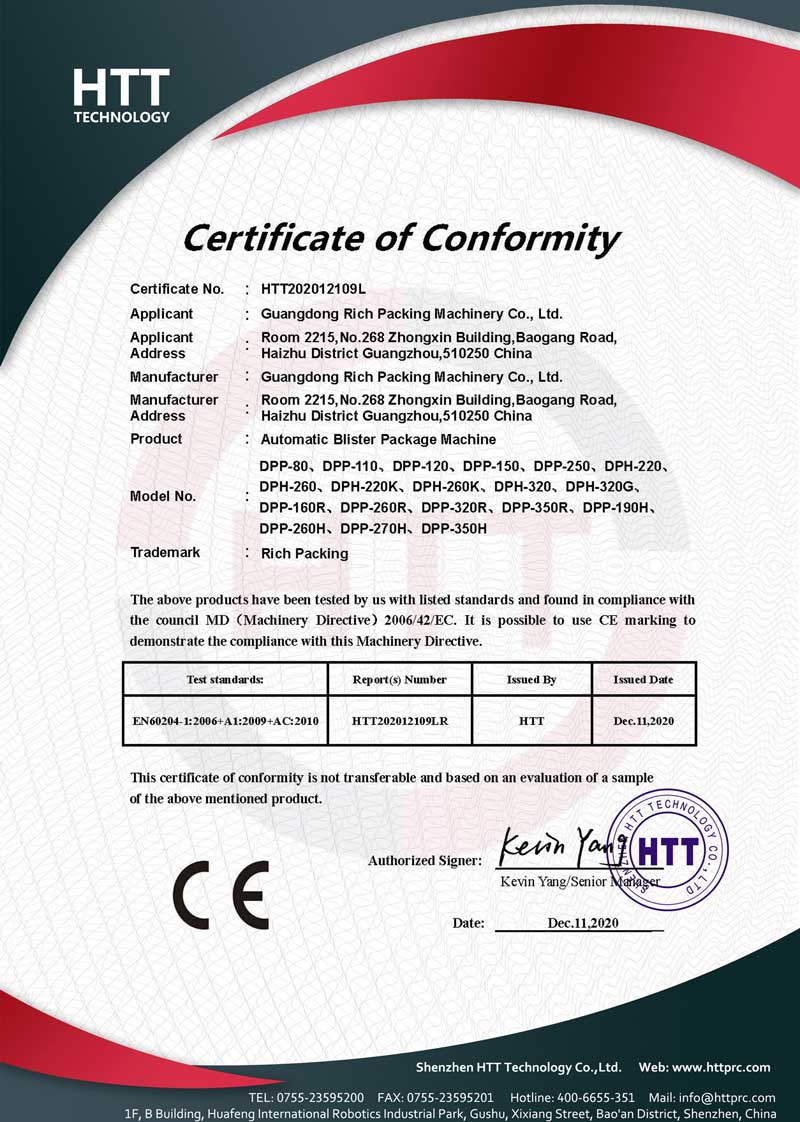
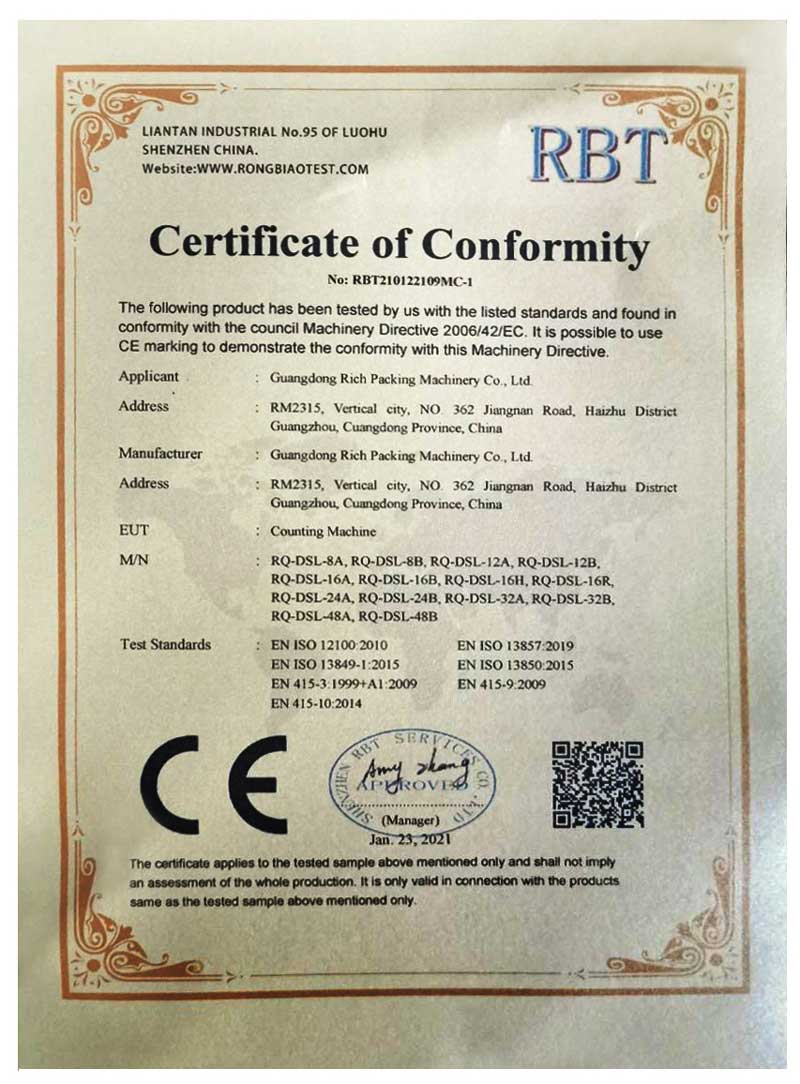
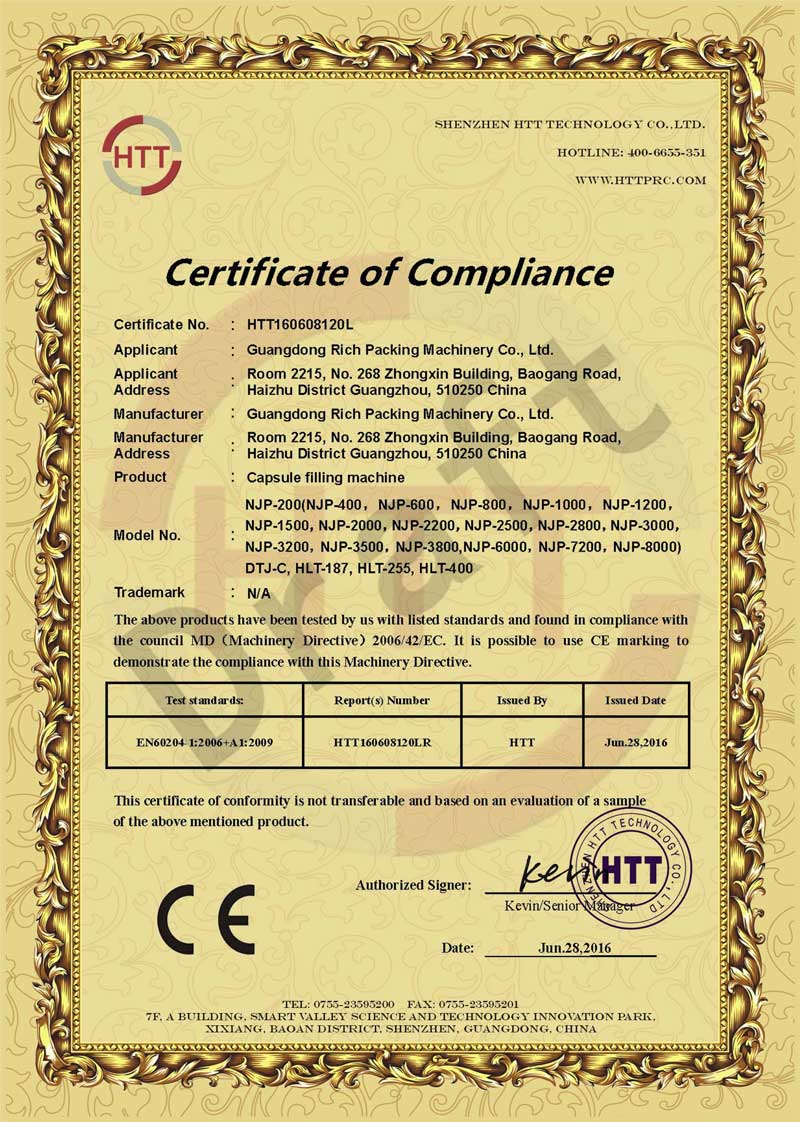
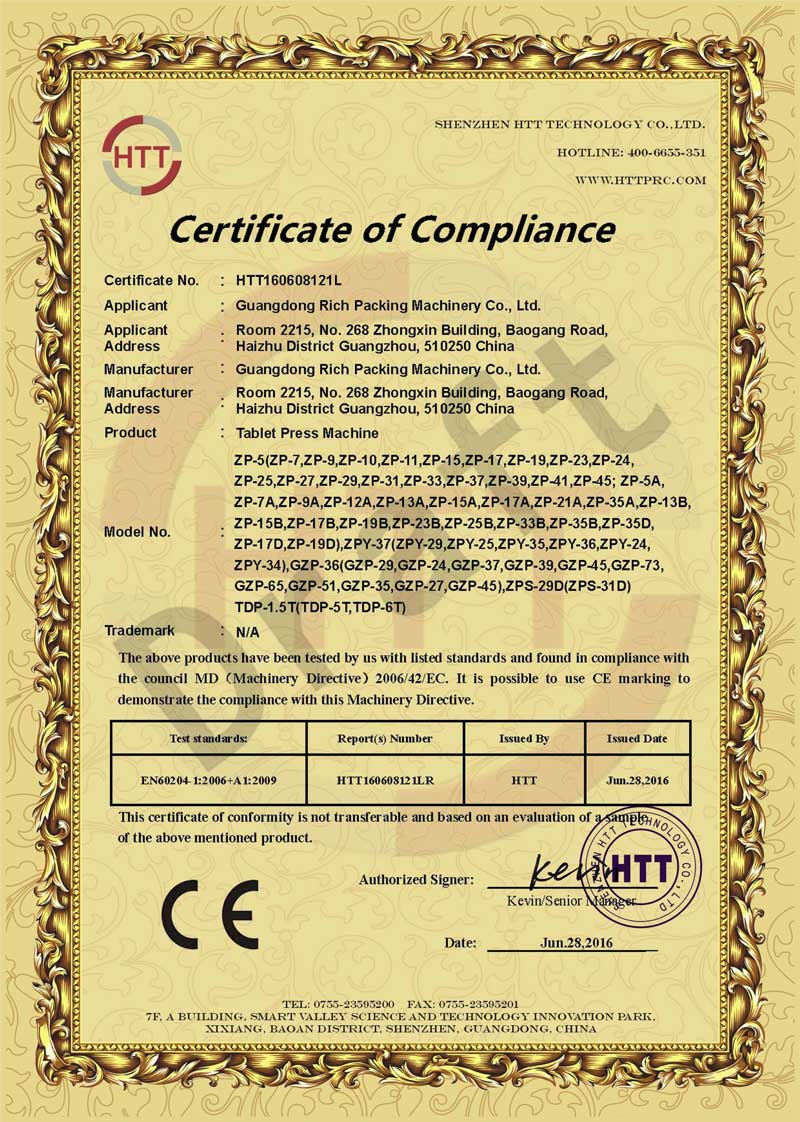
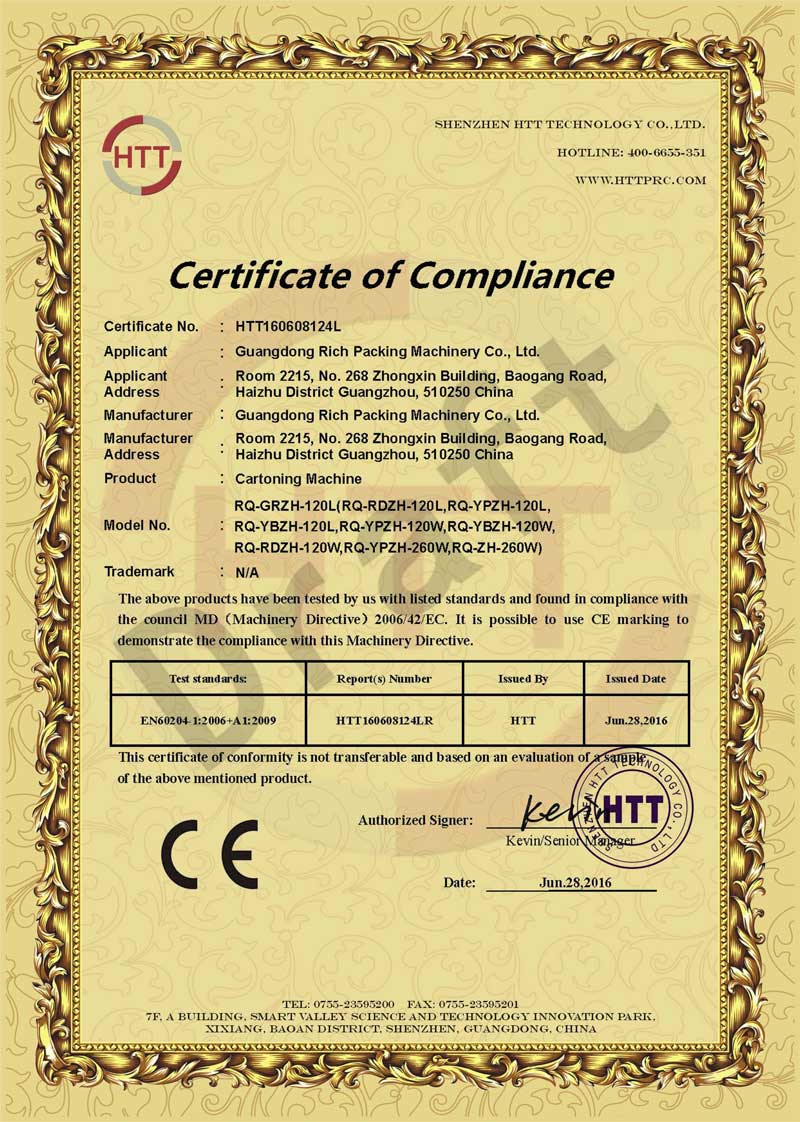
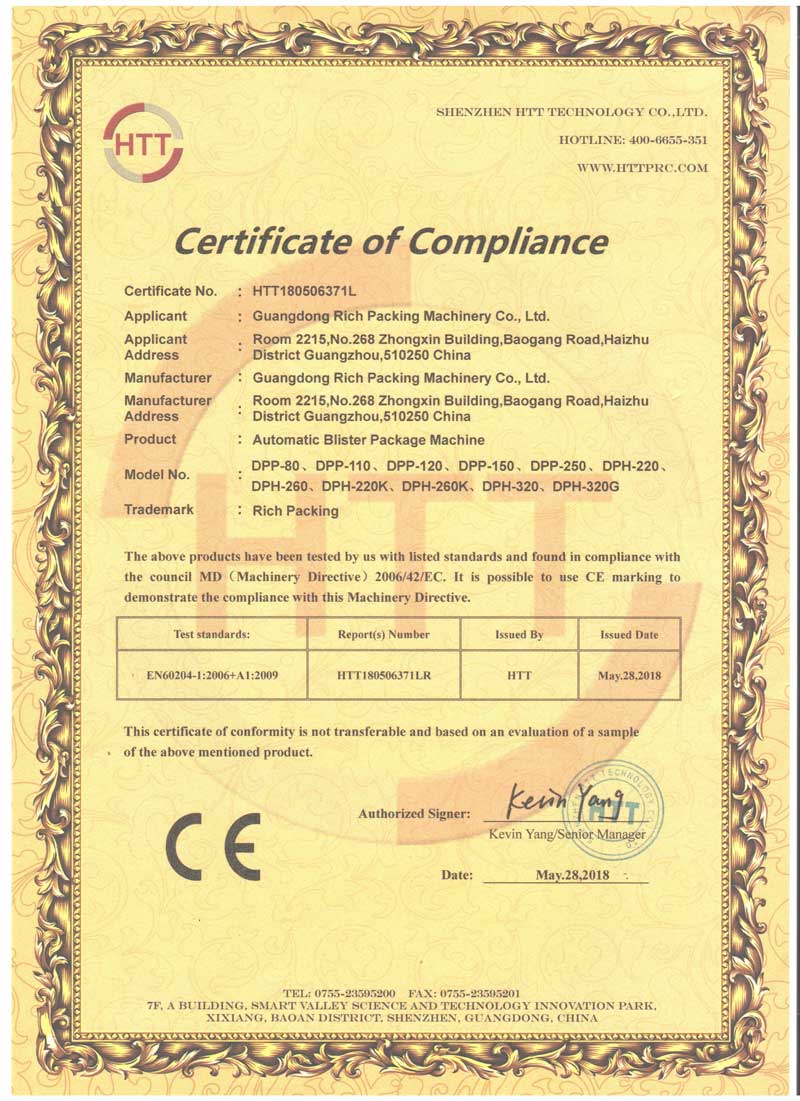
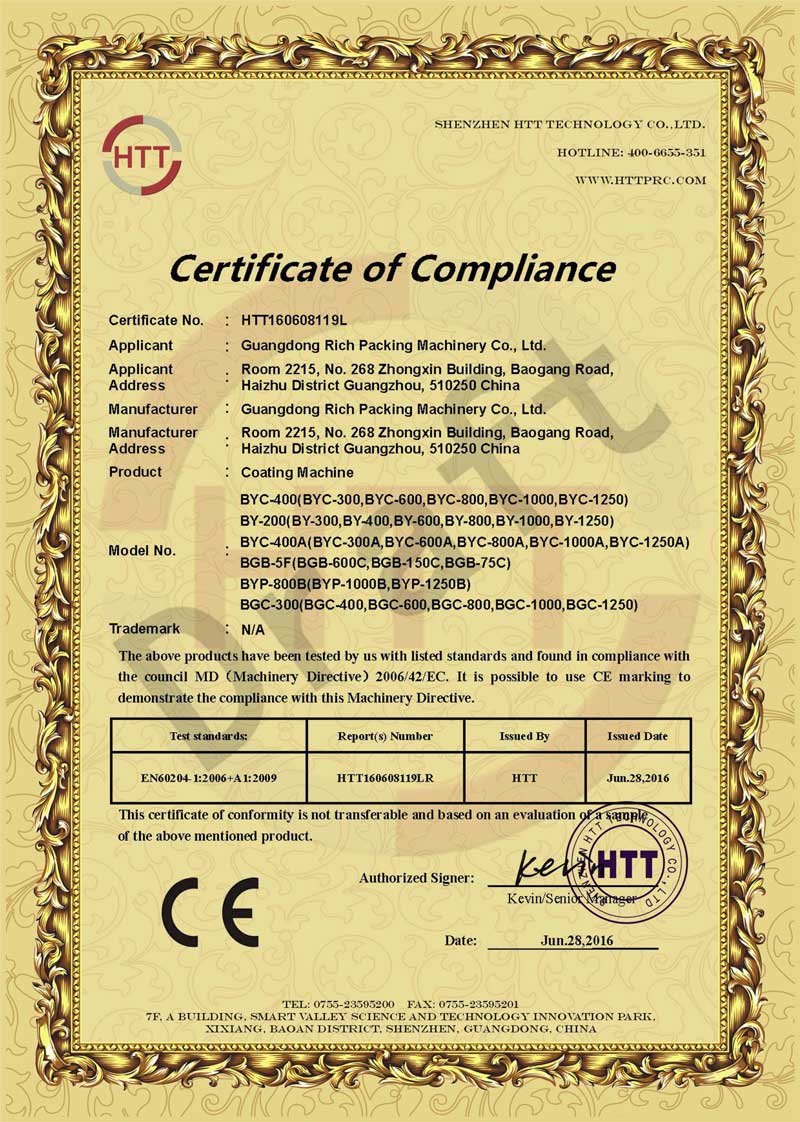
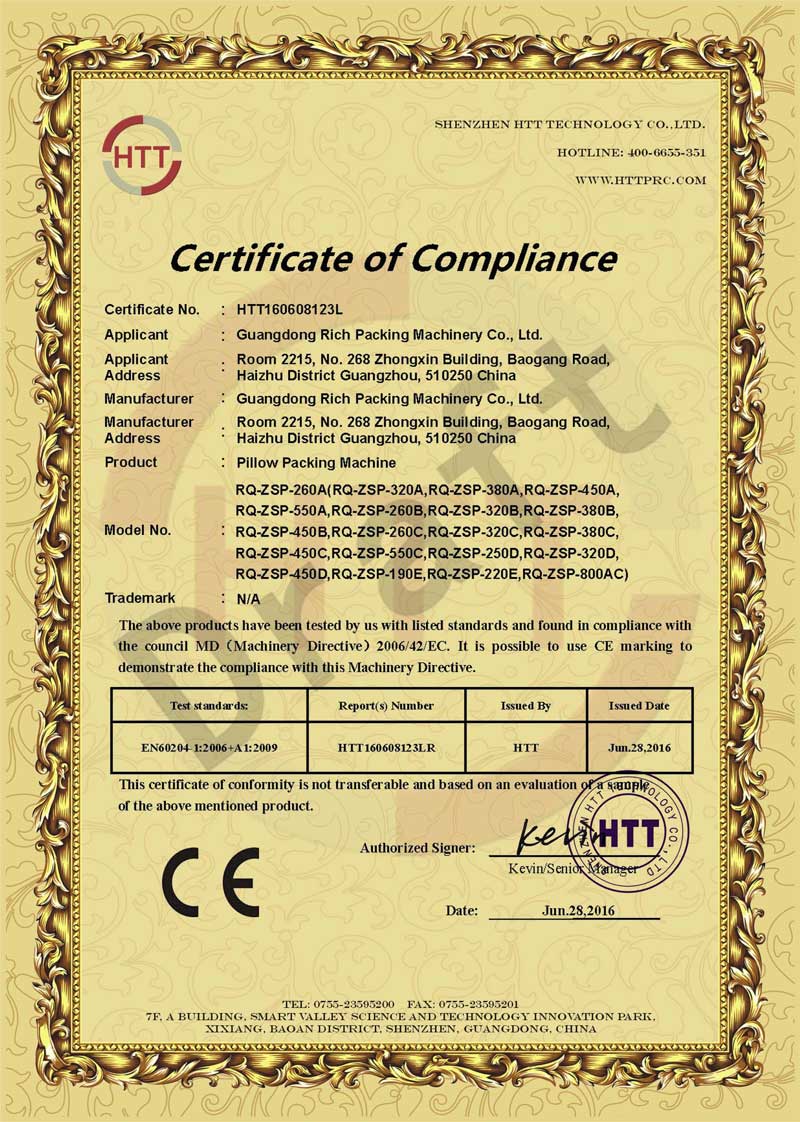
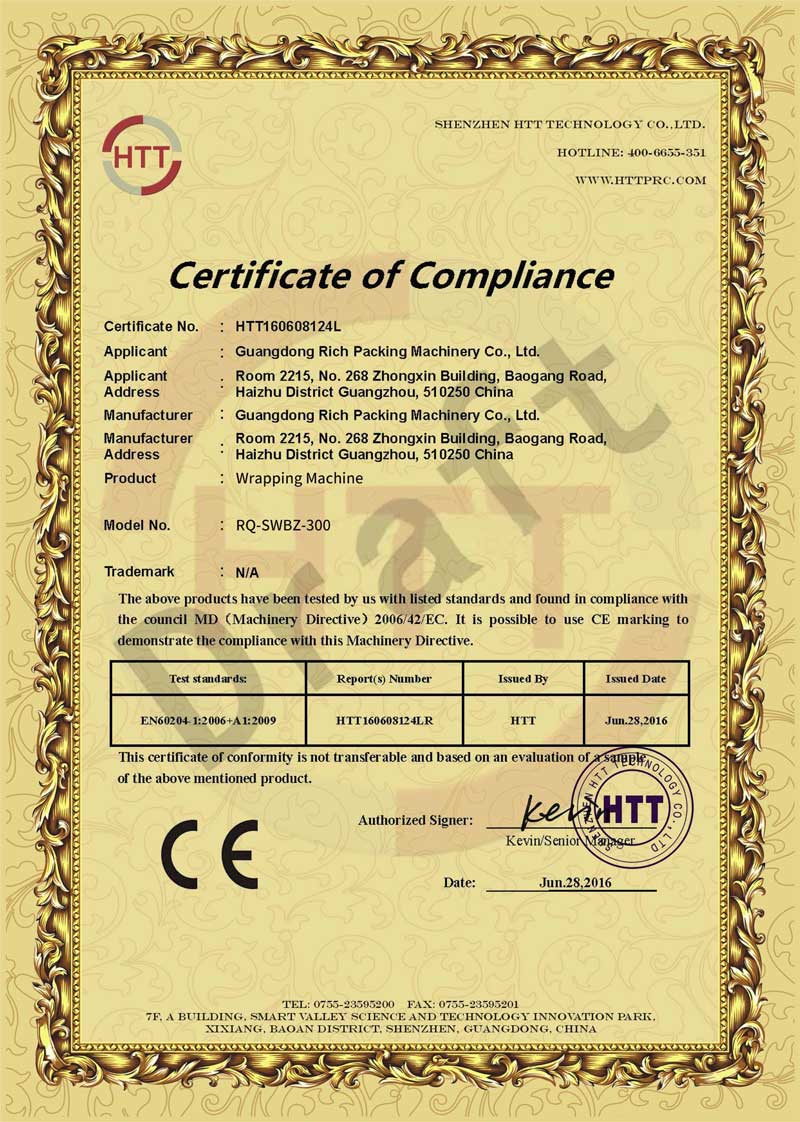


شركة جوانجدونج الغنية لآلات التغليف . , المحدودة . لديها تاريخ من 28 عامًا من الخبرة في تصنيع الآلات الصيدلانية وآلات التعبئة .
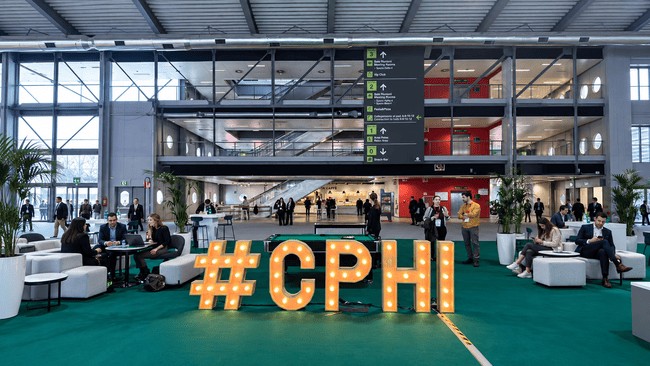
ميلانو، إيطاليا — 8 أكتوبر 2026 — اختتمت شركة Rich Packing بنجاح مشاركتها في CPHI Milan 2026، والذي أقيم في الفترة من 6 إلى 8 أكتوبر في معرض ميلانو (Fiera Milano) بإيطاليا. جمع المعرض الذي استمر ثلاثة أيام صانعي الأدوية، وموردي المعدات، ومهنيي الصناعة من جميع أنحاء العالم، مما خلق فرصاً قيمة للتبادل التقني والتعاون الدولي. طوال فترة المعرض، جذب جناح Rich Packing تدفقاً مستمراً من الزوار. كانت فرق المبيعات والفنيين لدينا منخرطة تماماً في استعراض NJP سلسلة آلة تعبئة الكبسولات الأوتوماتيكية و DPP سلسلة آلة التعبئة والتغليف بالبثور (البليستر)، والإجابة على الأسئلة التقنية، ومناقشة حلول إنتاج وتعبئة الأدوية مع العملاء الجدد والحاليين على حد سواء. بالنسبة لشركة Rich Packing، لم يكن CPHI Milan مجرد فرصة لعرض الآلات الصيدلانية. بل كان انعكاساً لحضورنا المتنامي في أوروبا، مدعوماً بحلولنا الشاملة لمعالجة وتعبئة الأدوية، بما في ذلك آلات التعبئة والتغليف بالبثور، خطوط عد الحلوى الجيلاتينية (الجومي)، آلات تغليف العصي (ستيك باك)، و آلات التعبئة في علب (الكارتوننج)، فضلاً عن شراكات العملاء الناجحة والتزامنا المستمر بالمتطلبات التنظيمية الأوروبية. من الطلبات في الموقع إلى توصيات العملاء: الثقة المبنية من خلال التجربة من أبرز محطات معرض CPHI Milan 2026 كان الشراء الفوري في الموقع لـ آلة تعبئة الكبسولات الأوتوماتيكية NJP-1500D من قبل عميل زائر. وقد عكس هذا الشراء قيمة التواصل وجهاً لوجه، حيث تمكن المصنعون من فحص المعدات، ومناقشة المواصفات التقنية، وتقييم الحلول لاحتياجات الإنتاج الخاصة بهم. جاءت لحظة أخرى لا تُنسى عندما قام عميل قديم لشركة Rich Packing من بولندا Michał Kowalski من بولندا بتقديم آلة تعبئة الكبسولات NJP-1500D وخدماتها إلى عميل محتمل Jan Novák من عميل محتمل من التشيك. بدلاً من مجرد الاستماع إلى عرض مبيعات، تمكن الزائر الجديد من الاستماع مباشرة من عميل ذي خبرة باللغة المحلية حول العمل مع Rich Packing. تُظهر مثل هذه التوصيات أهمية تجربة العملاء الحقيقية في بناء الثقة وتأسيس علاقات تجارية جديدة. يسرنا أيضاً أن نرحب بالعملاء العائدين من كرواتيا Atlantic Grupa الذين اشتروا مسبقاً إحدى آلات ضغط الأقراص الدوارة عالية السرعة HGZP-40D الخاص بنا. وفرت زيارتهم فرصة أخرى لإعادة التواصل، وتبادل التعليقات، ومناقشة متطلبات الإنتاج المستقبلية. مثلت هذه التفاعلات واحدة من أكثر النتائج قيمة في المعرض. من المشترين لأول مرة إلى الشركاء القدامى، أصبحت العلاقات التي نستمر في بناائها مع مصنعي الأدوية الأوروبيين أساساً يزداد أهمية للنمو الدولي لشركة Rich Packing. أوروبا كصوق استراتيجي: التزامنا بمعايير الامتثال المتطورة تعد أوروبا أحد الأسواق الاستراتيجية الرئيسية لشركة Rich Packing وأولوية طويلة الأجل في تطورنا الدولي. نحن ندرك أن مصنعي الأدوية الأوروبيين لديهم توقعات متطلبة فيما يتعلق بسلامة الآلات، والامتثال التنظيمي، واستقرار الإنتاج، والتوثيق التقني. يتطلب تلبية هذه التوقعات أكثر من مجرد توريد معدات قياسية. فهو يتطلب تحسين مستمر للمنتجات، وفهماً للمتطلبات الإقليمية، ودعماً تقنياً موثوقاً طوال دورة حياة المعدات. من التركيز الهام لتطويرنا المستمر هو اللائحة (الاتحاد الأوروبي) 2023/1230، وهي لائحة الآلات الجديدة للاتحاد الأوروبي، والتي ستتحل محل توجيه الآلات 2006/42/EC عندما تصبح أحكامها الرئيسية قابلة للتطبيق في 20 يناير 2027. مع اقترا...
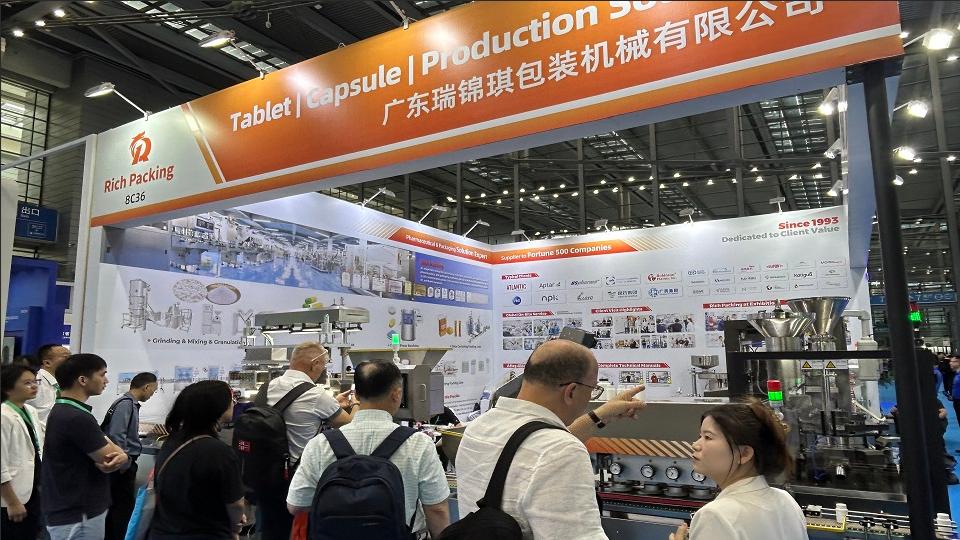
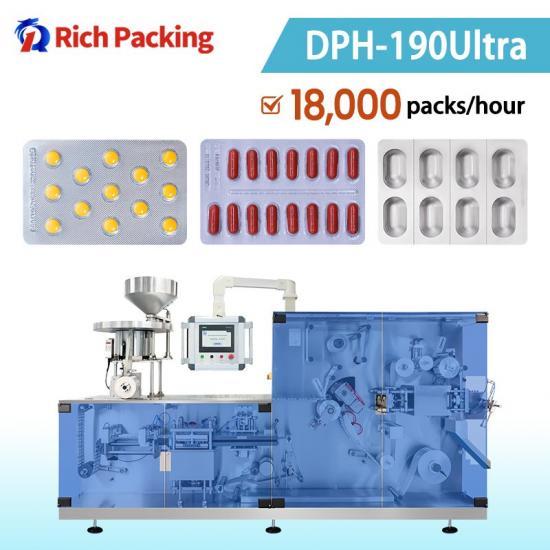
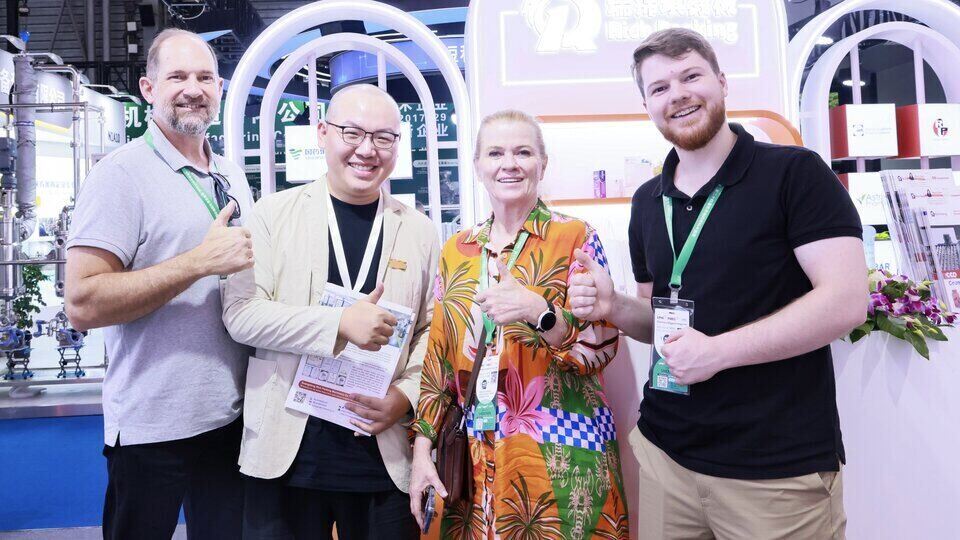
اختتم معرض CPHI Shenzhen 2026 الذي استمر ثلاثة أيام فعالياته بنجاح في 18 سبتمبر. من 16 إلى 18 سبتمبر، استقبلت شركة Rich Packing مصنعي الأدوية والمغذيات، والموزعين، وخبراء الصناعة من الصين وخارجها في الجناح 8C36. وبفضل محفظة معداتها الشاملة، وفريقها الفني المحترف، وخدمتها المتكاملة، جذبت Rich Packing اهتماماً كبيراً طوال فترة المعرض. جاء العديد من الزوار إلى الجناح للتعرف على آلاتنا ومناقشة متطلبات الإنتاج والتعبئة الخاصة بهم مع فريقنا المحترف. كما وفر المعرض فرصة ممتازة لشركة Rich Packing لإظهار قدراتها التقنية وتعزيز التواصل مع العملاء من مختلف الأسواق. جذبت Rich Packing الكثير من اهتمام الزوار من جميع أنحاء العالم عرض توضيحي في الموقع: تعرف على آلاتنا أثناء التشغيل كان أحد أبرز أحداث مشاركة Rich Packing هو العرض الحي للعديد من آلات تعبئة الأدوية. لمنح الزوار فهماً مباشراً لأداء معداتنا، أحضرنا مجموعة من الآلات التي تغطي مراحل مختلفة من إنتاج وتعبئة الأدوية، بما في ذلك جهاز فرز الزجاجات، آلة عد بصرية ذات 16 مساراً، آلة سدادة كجزء من ف خط عد كبسولات الأقراص، HGZP-26D آلة ضغط أقراص عالية السرعة، آلة تعبئة البليستر DPP-180Pro، مبرد، و آلة تعبئة الكبسولات NJP-1500D. تمكن الزوار من مراقبة الآلات وهي تعمل في الموقع والتواصل مباشرة مع مهندسينا. قدم فريقنا الفني مبادئ التشغيل، والتكوينات الرئيسية، وقدرات الإنتاج، وسيناريوهات تطبيق المعدات مع الإجابة على أسئلة الزوار حول متطلبات الإنتاج المحددة الخاصة بهم. سمحت العروض الحية للعملاء باكتساب فهم عملي أكثر للمعدات بدلاً من الاعتماد فقط على مواصفات المنتج. أبدى الزوار اهتماماً قوياً بأداء الآلات، وقدرات الأتمتة، وكفاءة الإنتاج، والتشغيل المستقر. كان مدير مبيعاتنا يقدم آلة تعبئة البليستر DPP-180pro للعملاء حلول مخصصة وخدمة شاملة لما بعد البيع بالإضافة إلى عرض الآلات، أجرت Rich Packing أيضاً مناقشات مفصلة مع العديد من العملاء المحتملين بخصوص مشاريع الإنتاج الخاصة بهم. خلال المعرض، عمل فريق مبيعاتنا بشكل وثيق مع الزوار لفهم منتجاتهم، والقدرة الإنتاجية، وتنسيقات التعبئة، والمتطلبات الأخرى. بناءً على هذه المعلومات، ناقش فريقنا حلولاً مخصصة مع العملاء، تتراوح من المعدات الفردية إلى خطوط الإنتاج والتعبئة الكاملة. كانت الخدمة المتكاملة التي تقدمها Rich Packing موضوعاً مهماً آخر خلال هذه المناقشات. فبالإضافة إلى توريد الآلات، نقدم الدعم طوال دورة حياة المعدات، بما في ذلك تصميم الحلول، والتسليم، والتركيب والتشغيل التجريبي، وتدريب المشغلين، والدعم الفني لما بعد البيع. تشمل خدمتنا ضماناً لمدة ثلاث سنوات وسنة واحدة من قطع الغيار المجانية، بالإضافة إلى التشغيل التجريبي والتدريب عن بُعد لتزويد العملاء بدعم فني مريح. بالنسبة للعملاء الذين يحتاجون إلى مساعدة في الموقع، يمكن لـ Rich Packing أيضاً ترتيب مهندسين محترفين للتركيب والتشغيل التجريبي في مواقع حول العالم. مناقشة حول متطلبات الإنتاج التفصيلية الجودة، والامتثال، وخلق القيمة بالنسبة لـ Rich Packing، تعد المنتجات والخدمات عالية الجودة جزءاً فقط من التزامنا تجاه العملاء. نحن نتمسك أيضاً بخلق القيمة للعملاء كأحد مبادئنا الأساسية. تم تصميم وتصنيع آلاتنا وفقاً لمعايير الإنتاج الدولية ذات الصلة ويمكن تهيئتها لتلبية المتطلبات التنظيمية والإنتاجية للعملاء في مختلف البلدان والمناطق. نحن نتفهم أن مصنعي الأدوية يعملون في ظل متطلبات تنظيمية صارمة، وأ...
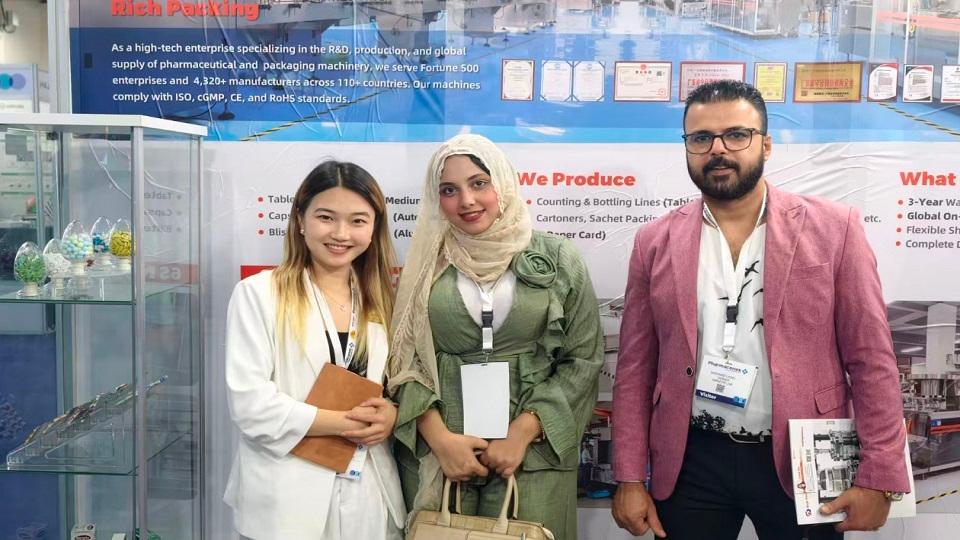
اختُتم معرض فارماكونكس 2026 بنجاح في الثالث من سبتمبر/أيلول في مركز مصر الدولي للمعارض بالقاهرة، مصر، واستمر لمدة ثلاثة أيام. وخلال الفترة من الأول إلى الثالث من سبتمبر/أيلول، جمع المعرض مصنّعي الأدوية، وموردي معدات التعبئة والتغليف، والمتخصصين في هذا القطاع، وممثلي الشركات من مختلف أنحاء العالم. شاركت شركة ريتش باكينج في المعرض في الجناح H4.H31، حيث عرضت حلولها الشاملة لتغليف الأدوية وخدماتها الاحترافية. وعلى مدار أيام المعرض الثلاثة، حظي الجناح باهتمام كبير من الزوار، ووفر منصة ممتازة للتواصل المباشر والتعاون المحتمل. حظيت شركة Rich Packaging باهتمام كبير من زوار معرض Pharmaconex 2026. مقابلة العملاء واستكشاف فرص جديدة خلال المعرض، كان مدير مبيعات شركة ريتش باكينغ متواجداً في الجناح H4.H31 للترحيب بالزوار ومناقشة احتياجاتهم الإنتاجية. وقد حضر العديد من الزوار للتعرف أكثر على آلات التعبئة والتغليف الصيدلانية وخطوط الإنتاج الخاصة بنا. في الوقت نفسه، لبّى عدد من العملاء الذين تواصلوا مع فريقنا قبل المعرض دعوتنا، وزاروا الجناح H4.H31 لإجراء مناقشات تفصيلية وجهاً لوجه. وقد تواصل فريق المبيعات لدينا معهم بشكل وثيق، ما أتاح لنا فهمًا أعمق لمتطلباتهم وتطوير حلول تغليف مُخصصة. أظهر التدفق المستمر للزوار والمناقشات النشطة طوال أيام معرض فارماكونكس 2026 الثلاثة الاهتمام القوي لمصنعي الأدوية بحلول التعبئة والتغليف الفعالة والموثوقة. ناقش مدير مبيعات شركة ريتش باكينج حلول التغليف مع الزوار. حلول تغليف الأدوية المتكاملة كان أحد المحاور الرئيسية للمناقشات هو مجموعة ريتش باكينج الكاملة من آلات تصنيع وتعبئة الأدوية. وقد عرّف فريقنا الزوار على حلول تغطي مختلف مراحل إنتاج وتعبئة الأدوية، بدءًا من الآلات الفردية وصولًا إلى خطوط الإنتاج المتكاملة. تغطي منتجاتناآلات تعبئة الكبسولاتومكابس الأقراصلتصنيع الأدوية الأساسية، بالإضافة إلى حلول التعبئة والتغليف بما في ذلكآلات تغليف الفقاعاتخطوط عد الأقراص والكبسولات، وآلات تعبئة الأكياس،خطوط تعبئة الكرتون، وآلات مساعدة لعملية الإنتاج الكاملة. استنادًا إلى منتجات العملاء، وقدرتهم الإنتاجية، وأشكال التعبئة والتغليف، وغيرها من المتطلبات المحددة، يمكن لشركة Rich Packing تخصيص الآلات لتوفير حلول تتراوح من المعدات المستقلة إلى خطوط التعبئة والتغليف الصيدلانية الكاملة. عرض للمنتجات النهائية المصنعة والمغلفة باستخدام آلات التعبئة والتغليف من شركة ريتش. خدمة شاملة للدعم طويل الأمد إلى جانب آلاتها عالية الجودة، سلطت شركة ريتش باكينج الضوء أيضاً على نظام خدماتها الشامل والمتكامل خلال معرض فارماكونكس 2026. تقدم شركة ريتش باكينج خدمات شاملة تغطي دورة حياة المنتج بالكامل، بدءًا من تصميم الحلول واختيار المعدات، مرورًا بالتركيب والتشغيل، وتدريب المشغلين، وصولًا إلى خدمات ما بعد البيع. يستفيد العملاء من خدمات التركيب والتشغيل في الموقع، والتدريب الاحترافي، والدعم الفني، وضمان لمدة ثلاث سنوات، بالإضافة إلى توفير قطع غيار مجانية لمدة عام للمكونات المعرضة للتلف. أبدى الزوار اهتمامًا كبيرًا بهذا النهج الخدمي الشامل، وأعربوا عن رضاهم عن الدعم الفني الاحترافي الذي تقدمه شركة ريتش باكينج، وعن إمكانياتها الخدمية المتكاملة. بالنسبة لمصنعي الأدوية، لا تُعدّ المعدات الموثوقة سوى جزء من الاستثمار الناجح، إذ تُعتبر خدمات التركيب الاحترافي والتدريب والصيانة والدعم الفني طويل الأمد بنفس القدر من الأهمية. يُعد التواصل المو...
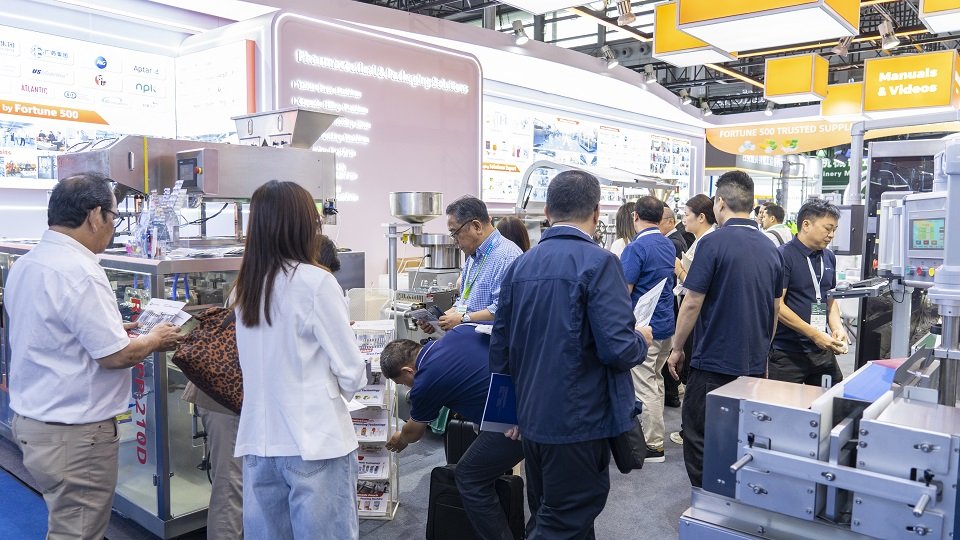
ريتش باكينج تعرض كفاءتها الصناعية بما يتماشى مع رؤية CPHI في 16 يونيو، قدمت ريتش باكينج عرضًا رائعًا لـتغليف الأدويةوعروضها التوضيحية وحلولها المهنية للزوار العالميين في اليوم الأول من CPHI شنغهاي 2026 في الجناح N1C10 بمركز شنغهاي الدولي الجديد للمعارض. كواحد من أكبر وأهم معارض صناعة الأدوية في آسيا، يجمع CPHI الصين سلسلة القيمة الدوائية بالكامل، ويربط بين المصنعين والموردين والمشترين في منصة تجارية متكاملة. من قادة الصناعة إلى الشركات الناشئة والمتوسطة والصغيرة، يبني هذا الحدث الهام شبكة دولية تضم أكثر من 110,000 مشارك وأكثر من 3600 عارض حول العالم. ليس مجرد معرض، بل حدث استراتيجي للصناعة يشير إلى دور الصين كمركز تصنيع أدوية عالمي ويعزز أفكار التصنيع المتقدم والتعاون الدولي. تعكس ريتش باكينج بشكل مثالي رؤية CPHI شنغهاي 2026 من خلال عرض ابتكارها وكفاءتها الصناعية وحلولها المهنية باستخدام آلات التعبئة المتقدمة في الموقع. بدءًا من آلات الأدوية مثل آلة ضغط الأقراص وآلة تعبئة الكبسولات التلقائية، إلى آلات التغليف مثل آلة تغليف البليستر وخط عد الكبسولات والأقراص، تقدم ريتش باكينج حلول تغليف متنوعة ومخصصة لمختلف سيناريوهات التطبيق واحتياجات العملاء المختلفة. أهم النقاط: عرض الحلول القابلة للتطبيق من خلال عرض تشغيل مباشر خلال المعرض، جذبت عروض التشغيل المباشرة لريتش باكينج الزوار والمشترين ومصنعي الأدوية من جميع أنحاء العالم. تم وضع معدات دوائية وتغليف متنوعة في الموقع، بما في ذلك: ● آلة ضغط الأقراص عالية السرعة HGZP-55D ● جهاز ترتيب الزجاجات + آلة العد البصري ذات 16 خطًا مع وظيفة الرفض + آلة الغطاء + آلة الوسم ● آلة تعبئة العصا ذات 8 خطوط ● آلة تعبئة الكبسولات التلقائية NJP-400C وNJP-1500D ● آلة تغليف البليستر DPP-90R وDPP-270Max ● آلة فرز الأكياس + آلة عد الأكياس + آلة التوجيه البصري ● آلة تغليف الأكياس الجاهزة الأفقية الزوار يتعرفون على منتجات ريتش باكينج من بين هذه الآلات، تعتبر آلة ضغط الأقراص عالية السرعة واحدة من أكثر المعدات شعبية. خلال المعرض، ناقش الزوار بما في ذلك المشترين والمصنعين عدة مسائل شائعة تتعلق بآلة ضغط الأقراص مع فريق ريتش باكينج. استجابةً للتحديات مثل جودة الأقراص المنخفضة وصعوبات تغيير القوالب، قدمت ريتش باكينج حلولًا مستهدفة من خلال التشغيل المباشر للمعدات. وبذلك، تمكن الزوار من الاطلاع على تقنية التحكم السيرفو المتميزة والتصميم المعياري لآلة ضغط الأقراص HGZP-55D، وتأثروا بمستوى احترافية الفريق. تقدم كبير تم إحرازه من خلال النقاش الودي بالإضافة إلى ذلك، حظي خط كامل لعد الكبسولات والأقراص، يتكون من جهاز ترتيب الزجاجات، آلة العد البصري ذات 16 خطًا مع وظيفة الرفض، آلة الغطاء وآلة الوسم، بالكثير من الاهتمام. بشكل خاص، يتميز نظام عد الجيلي ذو 16 خطًا بحل خاص لتجنب أخطاء العد الناتجة عن خاصية التصاق الجيلي. يمكن للبكرات المطلية بالتفلون ومسار الاهتزاز فصل المواد بشكل فعال، مما يضمن دقة العد. كما أن التكامل العالي بين العمليات الصاعدة والهابطة مع التصميم المخصص، ونظام التحكم الذكي PCL بشاشة اللمس يعزز الكفاءة والراحة بشكل كبير. ومن خلال الشرح المهني من موظفي ريتش باكينج والعرض المباشر في الموقع، حصل الزوار على رؤية شاملة لهذا الخط الإنتاجي المتقدم. الزوار أجروا تبادلات ممتعة مع فريق ريتش باكينج، متطلعين إلى تعاون مستقبلي علاوة على ذلك، جذبت آلة تغليف البليستر DPP-270Max العديد من الزوار للتعرف على مزاياها. من خلال تقديم شرح ش...
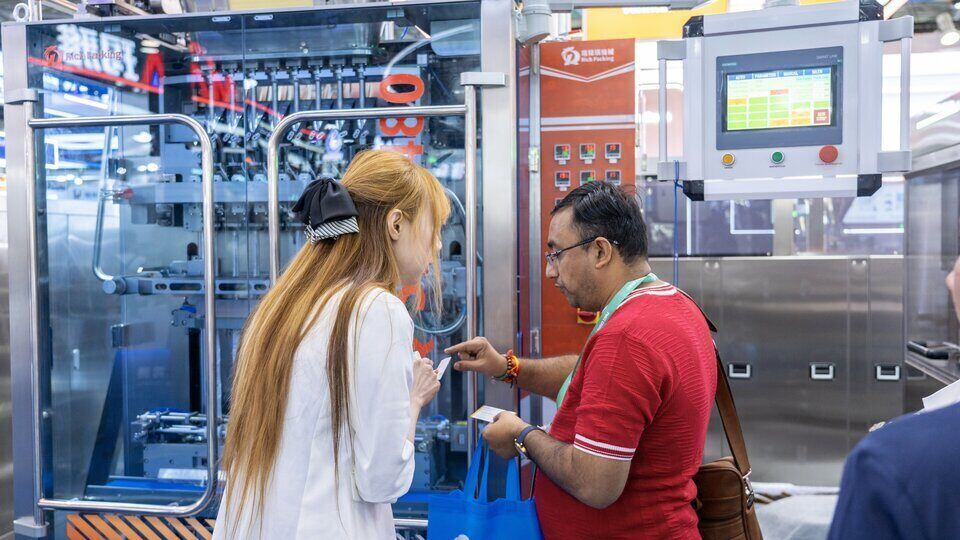
ما يقرب من 1,000 زائر، وأكثر من 50 استفسارًا جادًا، وعدة اتفاقيات في الموقع، مما أدى إلى ختام قوي لمتخصص آلات تعبئة التغليف الدوائية. Rich Packing تختتم جولة معرض إنتاجية لمدة ثلاثة أيام مع اختتام CPHI Shanghai 2026 رسميًا في مركز شنغهاي الدولي الجديد للمعارض، أكملت Guangdong Rich Packing بنجاح رحلتها في المعرض التي استمرت ثلاثة أيام مع تفاعل دولي قوي، ومناقشات متابعة نشطة مع العملاء، وعدة فرص تعاون ناشئة. جولة في المصنع لـآلة التعبئة الكرتونية (RQ-ZH-130W) تم تأكيدها. لا أطيق الانتظار لمواصلة المحادثة. في اليوم الأخير من المعرض، استمر جناح الشركة في جذب زوار محترفين من صناعات الأدوية المحلية والدولية، مما يعكس اهتمامًا مستمرًا بالسوق في التعبئة الدوائية الذكية وحلول الأتمتة. مقارنة باليومين الأولين من المعرض، ركز اليوم الثالث بشكل أكبر على اجتماعات إعادة الزيارة، والاستشارات التقنية التفصيلية، وتقييمات الإنتاج العملية. عاد العديد من الزوار الذين توقفوا سابقًا عند الجناح بأسئلة أكثر تحديدًا، وعينات منتجات فعلية، ومتطلبات إنتاج مخصصة، مما يشير إلى انتقال واضح من الاهتمام الأولي بالمنتج إلى مناقشات شراء ملموسة. أبرز عروض المعدات الحية التي تجذب المشترين المحترفين أحد أبرز ما في اليوم الأخير من المعرض كان العدد المتزايد من العملاء الذين أحضروا زجاجات الأدوية الخاصة بهم، والكبسولات، ومواد التعبئة لاختبار المعدات بشكل حي. ظل خط العد البصري الخاص بـ Rich Packing، أنظمة تغليف الفقاعات، ومعدات معالجة الأقراص من بين أكثر الحلول عرضًا طوال اليوم. يشارك أحد الزوار زجاجته الخاصة. نتحقق من الحجم معًا لضمان ملاءمة مثالية لآلة تعبئة الحلوى لدينا (RQ-DSL-16C). خلال أحد العروض الحية في الموقع، عاد مدير مشتريات دوائية محلي إلى الجناح وهو يحمل زجاجات غير منتظمة الشكل تُستخدم في عملية الإنتاج في مصنعه. بعد إجراء اختبار حي باستخدام نظام العد البصري من Rich Packing، عبّر العميل عن رضاه عن استقرار الآلة ودقة العد وقدرتها على التكيف مع تصميمات الزجاجات غير القياسية. شرح مهندسو الشركة كيف يدعم نظام التعرف البصري الذكي أشكال الزجاجات المختلفة وأنواع المواد مع الحفاظ على كفاءة التشغيل والدقة. بعد الاختبار الناجح، بدأ العميل مناقشات شراء أولية وطلب تفاصيل إضافية حول جدول التسليم ومعلومات التسعير. مهندسنا في نقاش عميق مع الزوار حول آلة تعبئة الكبسولات الأوتوماتيكية بالكامل (NJP-1500D). يتم الرد على الأسئلة التقنية في الحال. أصبحت هذه أنشطة الاختبار العملية سمة مميزة لليوم الثالث، حيث ركز المزيد من مصنعي الأدوية على التحقق من التوافق الحقيقي للإنتاج والأداء التشغيلي طويل الأمد. تقدم العملاء الدوليين في مناقشات التعاون شهد اليوم الأخير أيضًا عودة عدد من العملاء من الخارج لإجراء مناقشات من الجولة الثانية بشأن ترتيبات التركيب، وخدمة ما بعد البيع، وفرص التعاون طويلة الأمد. عميل دوائي من تايلاند عاد إلى الجناح مع مترجم لتأكيد جداول تركيب المعدات، وإجراءات تدريب المهندسين، وقدرات توريد قطع الغيار. خلال الاجتماع، قدم فريق المبيعات الدولي في Rich Packing هيكل الدعم الفني الخارجي للشركة، بما في ذلك خدمات التشغيل في الموقع، وأدلة التشغيل باللغة الإنجليزية، والمساعدة عن بعد عبر الفيديو بعد التركيب. نمر عبر كتيب شركتنا معًا. صفحة بعد صفحة، نخصص أفضل حل. أعرب العميل عن اهتمام قوي بحلول معالجة الأقراص الخاصة بالشركة ووافق على مواصلة المناقشات التجا...
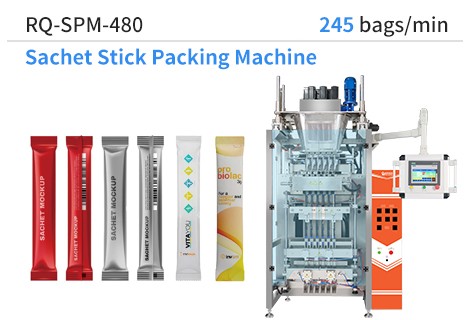
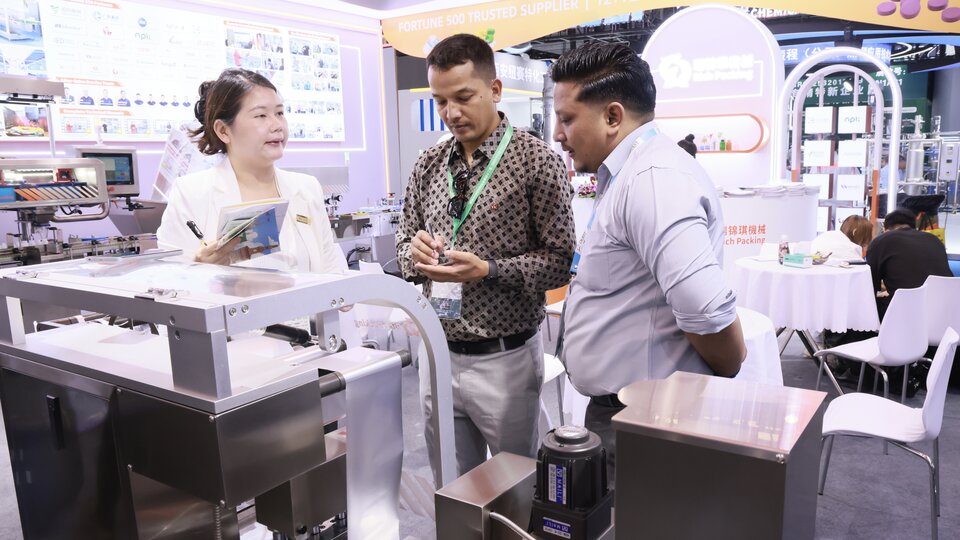
تسلط المناقشات التقنية المتعمقة وفرص التعاون الناشئة الضوء على الاهتمام الدولي المتزايد بحلول تعبئة الأدوية الآلية واصلت شركة Guangdong Rich Packing مشاركتها الفعالة في CPHI Shanghai 2026 في اليوم الثاني من المعرض، مما أدى إلى توسيع نطاق التواصل الدولي بشكل أكبر وتسريع المناقشات التجارية المتعمقة مع مصنعي وموزعي الأدوية العالميين. يقع جناح الشركة في إحدى المناطق الرئيسية لحلول تعبئة الأدوية في مركز شنغهاي الجديد للمعارض الدولية، وقد جذب الجناح تدفقًا مستمرًا من الزوار المهنيين من أوروبا وأمريكا الشمالية وجنوب شرق آسيا وأفريقيا، مما يعكس اهتمامًا عالميًا قويًا بتقنيات تعبئة الأدوية المتقدمة. الامتثال والدقة لـ "آلة تعبئة الشرائط (RQ-SPM-480) تمت مناقشتها مع الزائر. مقارنة بيوم الافتتاح، أظهر اليوم الثاني تحولًا واضحًا من تقديم المنتج الأولي إلى تواصل تقني أكثر تركيزًا ومفاوضات تجارية. أبدى الزوار اهتمامًا متزايدًا بالحلول الخاصة بالتطبيقات، وخاصة أنظمة تعبئة الأدوية الآلية المصممة لبيئات إنتاج متنوعة. تفاعل فريق Rich Packing مع متخصصين في الصناعة يمثلون قطاعات سوقية مختلفة، بما في ذلك مصنعي الأدوية على نطاق واسع، ومرافق الإنتاج التعاقدي، وشركاء التوزيع الإقليميين، وجميعهم يبحثون عن حلول تعبئة موثوقة ومتوافقة وفعالة. عرض حلول الأتمتة المتقدمة وحلول التعبئة المتوافقة مع ممارسات التصنيع الجيد GMP طوال اليوم، سلطت Rich Packing الضوء على نقاط قوتها الأساسية في أتمتة تعبئة الأدوية، مع التركيز على استقرار النظام وكفاءة التشغيل والامتثال لمعايير GMP والمعايير الدوائية الدولية. قدمت العروض الحية لمعدات التعبئة للزوار فهمًا أوضح لقدرات الشركة الهندسية، بما في ذلك تنسيق سير العمل المتكامل، ودقة مناولة المواد، وأنظمة دعم فحص الجودة. مناقشات تقنية مع الزوار الدوليين في الجناح N1C10 تزايد الطلب على حلول التصنيع المرنة والذكية بالإضافة إلى أداء المعدات، ركزت الشركة أيضًا بشكل كبير على حلول التصنيع المرنة، لمعالجة الطلب المتزايد على الإنتاج الدوائي صغير الحجم ومتعدد الأنواع. ومع استمرار شركات الأدوية العالمية في تحسين كفاءة الإنتاج وتقليل وقت التوقف بين عمليات تغيير المنتجات، جذبت حلول Rich Packing اهتمامًا خاصًا بسبب قابليتها للتكيف ومرونتها التشغيلية. مناقشات تعاون مبكرة مع عملاء الأدوية العالميين شهد اليوم الثاني ارتفاعًا مهمًا في أنشطة تطوير الأعمال، حيث تقدمت عدة فرص تعاون محتملة إلى مناقشات منظمة. أبدى زوار من بنغلاديش اهتمامًا خاصًا بقدرة جهازنا RQ-HGZP-40D "مكبس أقراص عالي السرعة على استيعاب قوالب مختلفة. توفر الآلة إنتاجًا ثابتًا وسريعًا للأقراص، وبمجرد تغيير القوالب يمكنها إنتاج أشكال أقراص متنوعة. ثم واصل زوار بنغلاديش المحادثة بالسؤال عن السعر ودعم التركيب. آلة مكبس أقراص عالية السرعة مع إمكانية تغيير القوالب بشكل مرن. أبدت شركة أدوية من ماليزيا اهتمامًا قويًا بخط عدّ الحلوى المكون من 16 مسارًا. وقد أُعجب الزائر بشكل خاص بدقته العالية في السرعة وبمساراته المصنوعة من مادة التفلون التي تتعامل بسلاسة مع الحلوى اللزجة. ثم انتقل الحديث إلى شهادة CE وأوقات التسليم للأسواق الأوروبية. أبدت شركة أدوية كندية اهتمامًا قويًا بخط "خط العدّ البصري الخاص بنا المكون من 16 مسارًا. وقد أُعجب الزائر بشكل خاص بتقنية الرؤية المعتمدة على كاميرات CCD، والتي تقضي بفعالية على أخطاء العد الناتجة عن تراكم الغبار على المستشعرات، وهي مشكلة شائعة في أن...
اهتمام عالمي قوي مع عرض Rich Packing لحلول تغليف صيدلانية متقدمة في يوم الافتتاح افتتحت Rich Packing رسمياً جناحها في CPHI Shanghai 2026 اليوم، مرحبةً بالزوار من صناعات الأدوية والمكملات الغذائية والحلويات إلى Booth N1C10 لحضور عروض حية للآلات وتبادل تقني واستشارات حلول تغليف مخصصة. باعتباره أحد أكثر الفعاليات تأثيراً في صناعة الأدوية العالمية، يواصل CPHI Shanghai جمع المصنّعين الباحثين عن أتمتة أذكى وإنتاج مستقر عالي السرعة وخيارات تغليف أكثر مرونة. مناقشات تقنية وعروض حية في Booth N1C10. في يوم افتتاح المعرض، جذب الجناح باستمرار اهتمام الزوار الدوليين المهتمين بـ خط عدّ حلوى الجيلي ذو 16 مساراً، آلات كبس الأقراص عالية السرعة, معدات تعبئة الكبسولات الأوتوماتيكية بالكامل, أنظمة تغليف البليستر. تجمع العديد من الزوار حول آلات العرض لمشاهدة عروض الإنتاج الحية ومناقشة متطلبات التصنيع الخاصة بهم مباشرةً مع فرق الهندسة والمبيعات في Rich Packing. العروض الحية تسلط الضوء على حلول لتحديات الإنتاج الحقيقية كان أحد أبرز ما في الجناح هو التشغيل الحي لآلة عدّ حلوى الجيلي ذات 16 مساراً المتصلة بـ نظام تغليف بالأكياس الجاهزة. خلال العرض، شارك العديد من الزوار تحديات إنتاج شائعة يواجهونها في تغليف حلوى الجيلي، بما في ذلك المنتجات اللاصقة التي تسبب عدم دقة العد، وعدم استقرار أداء تعبئة الأكياس، وارتفاع تكاليف العمالة الناتجة عن عمليات التغليف اليدوي. رداً على ذلك، عرض فريق Rich Packing كيف يحسّن نظام عدّ حلوى الجيلي ذو 16 مساراً كفاءة العد ويحافظ على تشغيل مستقر من خلال تقنية التحكم الذكي في العد وقناة ذات هيكل من التفلون. كما أبدى الزوار اهتماماً كبيراً بتصميم التخطيط المدمج للآلة، الذي يمكن تكييفه بمرونة مع بيئات المصانع المختلفة مع تقليل التدخل اليدوي وتحسين كفاءة الإنتاج الإجمالية. الزوار يراقبون التشغيل الحي لخط آلة عدّ حلوى الجيلي ذو 16 مساراً. كما أصبحت آلة كبس الأقراص عالية السرعة ZP-55D محوراً رئيسياً خلال اليوم الأول من المعرض. خلال المناقشات مع الزوار، ذكر مصنعو الأدوية والمكملات الغذائية تحديات تتعلق بتكرار تغيير القوالب، وعدم اتساق جودة الأقراص أثناء الإنتاج عالي السرعة، وصعوبات التعامل مع عدة أشكال للأقراص ضمن خط الإنتاج نفسه. لمعالجة هذه المخاوف، عرض فريق Rich Packing تقنية التحكم المؤازر في الآلة ونظام التشغيل الذكي بشاشة اللمس وحلول التبديل المرنة. تدعم مكبس الأقراص ZP-55D إنتاج أقراص دائرية وحلقية وغير منتظمة وثنائية الطبقة وثلاثية الطبقات مع الحفاظ على أداء مستقر عالي السرعة. أبدى الزوار اهتماماً خاصاً بمرونة الآلة في بيئات التصنيع متعددة المنتجات وقدرتها على تحسين اتساق الإنتاج مع تقليل فترات التوقف. الزوار يناقشون حلول إنتاج الأقراص مع فريق Rich Packing خلال عرض مكبس الأقراص ZP-55D. آلة أخرى مميزة في المعرض كانت آلة تعبئة الكبسولات الأوتوماتيكية بالكامل NJP-1500D المعتمدة من GMP، والتي جذبت اهتمام الزوار الباحثين عن أداء أكثر استقراراً لتعبئة الكبسولات وتقليل هدر المواد أثناء الإنتاج المستمر. شارك بعض مصنعي الأدوية مخاوف تتعلق بعدم استقرار تغذية المسحوق وغياب وظيفة رفض الكبسولات. خلال العرض الحي، شرح مهندسو Rich Packing كيف تستخدم آلة تعبئة الكبسولات NJP-1500D نظام تغذية مستقر إلى جانب وظائف رفض الكبسولات التلقائية لتحسين موثوقية التشغيل والدقة طوال دورات الإنتاج الممتدة. أظهرت الآلة قدرات إنتاج كبسولات مست...
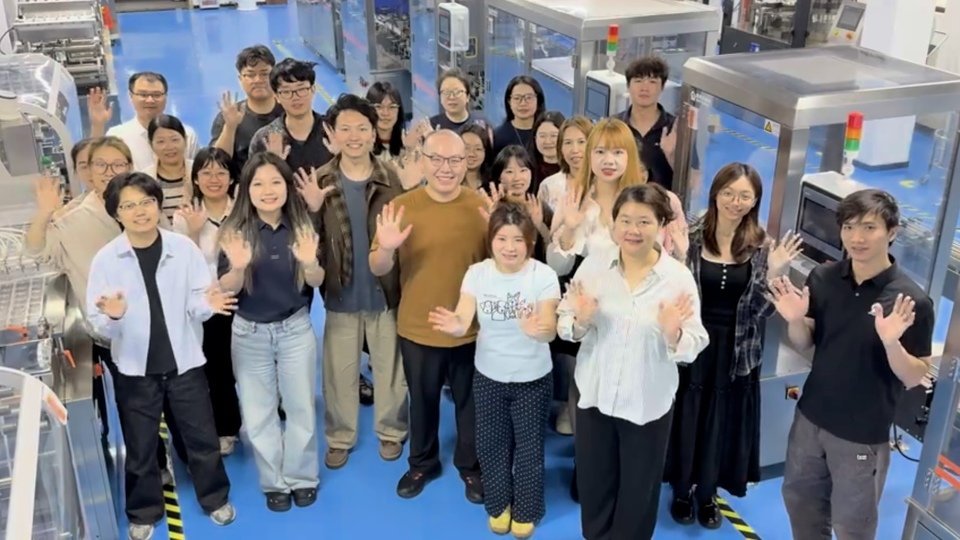
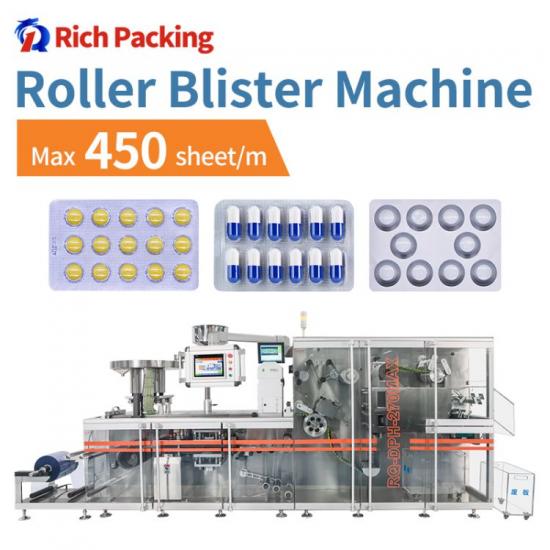
29 مايو 2026 ستشارك Rich Packing في CPHI Shanghai 2026 في الفترة من 16–18 يونيو في Booth N1C10، حيث ستعرض مجموعة من حلول التعبئة الذكية للأدوية والمكملات الغذائية المصممة للإنتاج المرن والتشغيل عالي السرعة والأداء المستقر على المدى الطويل. مرحبًا بكم في Rich Packing! مع استمرار طلب الشركات المصنعة العالمية على مستويات أعلى من الأتمتة، وسرعة أكبر في كفاءة الإنتاج، وقدرات تعبئة أكثر مرونة، تلتزم Rich Packing بتقديم حلول تعبئة مخصصة، قابلة للتطبيق على مختلف أحجام الإنتاج — من التصنيع بكميات صغيرة إلى الإنتاج واسع النطاق. أو المصنّعين الذين يفكرون في توسيع خط الإنتاج لديهم. في معرض CPHI لهذا العام، ستعرض Rich Packing العديد من الآلات الأساسية وخطوط التعبئة المتكاملة، من خلال عروض حية ومناقشات تقنية في الموقع. 4 معدات مميزة في CPHI Shanghai 2026 آلة عد العلكة ذات 16 مسارًا مع خط تعبئة الأكياس الجاهزة من أبرز ما سيتم عرضه في الجناح سيكون نظام 16 مسارًا خط عد العلكة، والذي متصل بـ آلة تعبئة الأكياس الجاهزةهذا الخط الإنتاجي مناسب لعد وتعبئة العلكة والكبسولات وغيرها من أقراص الرعاية الصحية. فهو لا يقلل من العمل اليدوي فحسب، بل يوفر أيضًا أتمتة عالية ودقة عد مستقرة وقدرة إنتاجية عالية. خط آلة عد العلكة ذات 16 مسارًا آلة ضغط الأقراص عالية السرعة 55D إن 55D آلة ضغط الأقراص عالية السرعةستُظهر آلة ضغط الأقراص عالية السرعة 55D قدرات Rich Packing في إنتاج الأقراص عالي الإنتاجية. تدعم الآلة تنسيقات متعددة للأقراص، بما في ذلك الأقراص الدائرية، والأقراص غير المنتظمة، والأقراص ثنائية الطبقة، وثلاثية الطبقات. وهي مرنة لتلبية متطلبات مصنعي الأدوية والمكملات الغذائية. مع تقنية التحكم المؤازر، وشاشة لمس ذكية، وتصميم تغيير سريع، تساعد الآلة العملاء على تحسين استقرار الإنتاج وتقليل وقت التوقف أثناء تبديل الأشكال. آلة ضغط الأقراص عالية السرعة ZP-25/55D آلة تعبئة الكبسولات الأوتوماتيكية 1500D إن 1500D آلة تعبئة الكبسولات الأوتوماتيكية بالكاملصُممت آلة تعبئة الكبسولات الأوتوماتيكية 1500D لإنتاج كبسولات سريع وموثوق. وهي مزودة بوظائف رفض تلقائي للتخلص من الكبسولات غير المكتملة التعبئة. تساعد الآلة على ضمان جودة منتج مستقرة مع تحسين كفاءة التشغيل. تتوافق 1500D مع معايير GMP، وتتميز بنظام تغذية مستقر وتصميم منخفض الصيانة، مما يجعلها مناسبة للتصنيع الدوائي طويل الأمد. آلة تعبئة الكبسولات الأوتوماتيكية 1500D آلة تغليف الفقاعات 270Max ستعرض Rich Packing أيضًا آلة 270Max آلة تغليف الفقاعات، المصممة لتغليف فقاعي مستقر ومستمِر لكل من المنتجات الصلبة والسائلة. بالإضافة إلى ذلك، يشمل تنسيق التغليف ألمنيوم-ألمنيوم وألمنيوم-بلاستيك. تتميز الآلة بتشغيل مستقر وأنظمة تحكم ذكية وخيارات تعبئة مرنة لمختلف المنتجات الدوائية والصحية مثل الكبسولات والمحاقن. آلة تغليف الفقاعات 270Max حلول تعبئة متكاملة لمختلف احتياجات الإنتاج علاوة على ذلك، بالإضافة إلى الآلات المميزة، سيتم عرضها في CPHI Shanghai 2026. ستعرض Rich Packing أيضًا مجموعة شاملة من آلات التعبئة والمعالجة الدوائية، بما في ذلك: ● آلة ضغط الأقراص عالية السرعة 26D ● آلة تعبئة الكبسولات الأوتوماتيكية 400C ● آلة تعبئة الأكياس الجاهزة الأفقية ● فكّ تشابك الزجاجات + آلة عد مرئية ذات 16 مسارًا مع وظيفة الرفض + آلة التغطية + آلة وضع الملصقات ● آلة تغليف الفقاعات 90R ● آلة فرز الأكياس + آلة عد الأكياس + آلة ا...

الصين، 25 ديسمبر 2025 مع حلول فصل الشتاء واقتراب عيد الميلاد، يبدأ معدل زيارات المصانع المعتاد بالتراجع. لكن بالنسبة لشركة ريتش باكينج، لا يمثل هذا الموسم الهادئ فترة توقف، بل فرصة استراتيجية لتعزيز الأسس، وتعميق العلاقات مع العملاء، والاستعداد للعام المقبل. زيارةٌ ذات مغزى: عميل من هونغ كونغ يكتسب خبرة عملية في مجال مكابس الأقراص اللوحية التعليمات الفنية لآلة ضغط الأقراص على الرغم من أن وتيرة الزيارات قد تتباطأ، إلا أن التزام شركة ريتش باكينغ بالتبادل التقني لا يزال ثابتاً. زار كارل، وهو عميل من هونغ كونغ، مؤخرًا شركة ريتش باكينغ للمشاركة في دورة تدريبية عملية معمقة تركز على تكنولوجيا مكابس الأقراص. وتركزت الزيارة على مكبس الأقراص HGZP-26D ، والتي كان كارل قد اشتراها سابقاً ولكنه لم يتقن تشغيلها بالكامل بعد. قدمت ماري، المديرة العامة للمبيعات الدولية، برفقة كبير المهندسين فيكتور يانغ والفريق الفني، إرشادات شاملة في الموقع. غطى التدريب سير العمل بالكامل، بدءًا من هيكل آلة ضغط الأقراص وتوصيلاتها الكهربائية، وصولًا إلى تركيب المكونات وتشغيلها وتفكيكها وصيانتها الدورية، مما يضمن فهمًا كاملًا وعمليًا. طوال الجلسة، طرح كارل بنشاط أسئلة تشغيلية: س1: ما الذي يجب مراعاته عند ضبط وزن القرص في آلة تصنيع الأقراص؟ ج: 1) إذا كان وزن القرص غير كافٍ، فقم بزيادة إعداد التغذية مع تقليل الضغط المسبق؛ إذا كانت الأقراص زائدة الوزن، فقم بتقليل التغذية مع زيادة الضغط المسبق. 2) راقب شكل القرص. إذا لم تتشكل الأقراص بشكل صحيح، فقم بزيادة الضغط الرئيسي قليلاً. 3) أثناء أخذ العينات، راقب تغيرات الضغط على الشاشة، واسمح لآلة الأقراص الآلية بالعمل لعدة دورات، ولا تأخذ العينات إلا بعد استقرار الضغط. س2: ما الذي يجب فحصه قبل التحويل إلى الوضع التلقائي؟ ج: يجب ضبط وزن القرص وسمكه بالكامل أولاً. بعد ذلك، راقب قيم الضغط، وقم بتعديل المعايير فقط بمجرد استقرار متوسط ضغط الثقب. س٣: هل تغيير القالب الأوسط سهل؟ هل يتطلب أدوات؟ ج: نعم، ولا حاجة لأي أدوات. يمكن لمشغل واحد إنجاز المهمة جهاز لوحي أو آلة يتغير العفن خلال 15 دقيقة. وحدة تغذية بالشفط أثناء العرض التوضيحي، لاحظ كارل مهندسين يستخدمون سلمًا لإزالة مكبس أقراص دوار أعرب عن قلقه بشأن قيود ارتفاع السقف في منشآت هونغ كونغ، وذلك أثناء تغذية قادوس التغذية. وبعد توضيح الشروط، طمأنه فيكتور بابتسامة. "إذا كان ارتفاع القادوس مصدر قلق، فيمكن ببساطة الاستغناء عن وحدة التغذية بالشفط مما يؤدي إلى تقصير طول القادوس بشكل كبير." في ختام الزيارة، قدمت ماري هدية عيد الميلاد لكارل نيابةً عن شركة ريتش باكينغ. وقد شارك كارل انطباعه لاحقًا. "لقد كانت تجربة تعليمية لا تُنسى حقًا. كانت الشروحات واضحة وعملية، وكانت هدية عيد الميلاد مفاجأة رائعة." هدايا عيد الميلاد للعملاء موسم هادئ، تحركات ذكية: تحسين ورش العمل من وراء الكواليس بينما كان تدريب العملاء يجري في صالة العرض، كان هناك جهد آخر يجري خلف الكواليس. استغلت فرق الهندسة والإنتاج في شركة ريتش باكينغ فترة نهاية العام لإعادة تنظيم شاملة لورش العمل بهدف تحسين الوضوح والكفاءة وتجربة الزوار. وقد تم تنفيذ مشروع تطوير ورشة العمل بشكل رئيسي في الجوانب الثلاثة التالية: 1. توحيد المعلومات في الموقع مواصفات الآلة بغض النظر عما إذا كان جهازًا رئيسيًا مثل آلة تعبئة الكبسولات وآلة صنع الأقراص أو آلة مساعدة مثل خلاط ثلاثي الأبعاد و مزيل الغبار ، تم تجهيز كل آلة حديثًا بمواصفات معلمات مرئية بوضوح، بما في ذلك بيانات ...
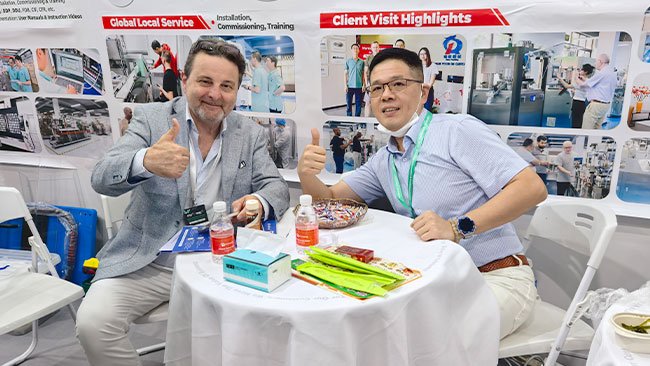
من 1 إلى 3 سبتمبر 2025، التعبئة الغنية شاركت شركة شنتشن شينزين المحدودة، وهي شركة رائدة في صناعة آلات التعبئة والتغليف الدوائية في الصين، في الجناح 8A57 في معرض CPhI جنوب الصين (معرض شنتشن الدولي للصناعات الدوائية) الذي أقيم في مركز شنتشن للمؤتمرات والمعارض (فوتيان). ركزت الشركة على عرض ثلاث مجموعات مبتكرة من المعدات المصممة خصيصًا لسيناريوهات مثل عد العلكة اللزجة، والتغليف عالي الدقة في الفقاعات، وآلات ضغط الأقراص الذكية. وخلال المعرض، وبفضل أدائها التقني المتميز، وحلولها المُخصصة المُتعمقة، وخبرتها التي تمتد لـ 12 عامًا في تقديم الخدمات المحلية في الخارج، استقطبت ريتش باكينج أكثر من 100 عميل للتفاوض، وحصلت على 22 طلبًا مُسبقًا في الموقع، محققةً نجاحًا ومعنويات عالية قبل انطلاقها العالمي في معرض فارم تيك 2025 في موسكو في نوفمبر المقبل. آلة عد وتعبئة العلكة DSL-16R بناءً على ملء 60 حلوى في كل زجاجة، فإن DSL-16R آلة عد العلكة يمكن تعبئة 80 زجاجة من العلكة في الدقيقة. وهي مناسبة لأنواع مختلفة من العلكة التي يقل قطرها عن 40 مم، مثل العلكة بالبكتين، والعلكة الزيتية، والعلكة المصقولة، والعلكة المغلفة بالسكر. عداد الصمغ التلقائي DSL 16R يعتمد هذا النظام المبتكر نظامًا لمنع التكديس باستخدام بكرات PTFE، مما يضمن فصل الحلوى الداخلة إلى قناة اهتزاز العد بوضوح دون التصاق العديد من قطع الحلوى. هذا يحل مشكلة أخطاء العد المتكررة الناتجة عن الطبيعة اللزجة لمواد الحلوى. قنوات العد على شكل قطرات المطر في آلة تغليف الحلوى الجيلاتينية هذه مُعالجة بطبقة تفلون، مما يقلل مساحة التلامس بين الحلوى اللينة ولوحة العد بنسبة 53%، ويقلص احتكاك الانزلاق بنسبة 34%. هذا يُمكّن الحلوى الجيلاتينية من الانزلاق بسلاسة أكبر ودخول فتحة العد بسرعة أكثر انتظامًا. جميع المكونات الأساسية لآلة عد وتعبئة الحلوى مصممة بتصميم معياري. ونظرًا للزوجة العلكة، تتطلب آلة عد وتعبئة العلكة تنظيفًا دوريًا منتظمًا، ولمدة عملية التنظيف هذه تأثير كبير على إنتاج عبوات الحلوى. بفضل هذا التصميم المعياري، تستغرق عملية التنظيف الكاملة لطراز 16R 14 دقيقة فقط، مما يوفر الوقت والجهد والجهد. آلة تغليف نفطة DPP مزودة بفحص بصري DPP 270Max آلة تشكيل البثور للأقراص والكبسولات يمكن تعبئة أنواع مختلفة من الأقراص والكبسولات والكبسولات الناعمة وما إلى ذلك، مع قدرة إنتاجية تصل إلى 11200 عبوة في الدقيقة. مزودة بكاميرا ألمانية من سلسلة BASLER ace 2، تُحقق آلة تعبئة الفقاعات DPP عالية السرعة كشفًا كاملاً للعيوب عبر الإنترنت، وتحدد بدقة عيوب عبوات الفقاعات، مثل الحبوب المفقودة، والفقاعات المكسورة، وسوء إحكام رقائق الألومنيوم. دقة الرفض ≥ 99.99%. يدعم نظام الفحص البصري تكرار مكتبة التعلم بالذكاء الاصطناعي، ويمكنه التكيف مع مختلف أشكال الأدوية (سواءً أقراصًا بأشكال مختلفة أو كبسولات بأحجام مختلفة). كما تتسع آلة التعبئة والتغليف الأوتوماتيكية DPP 270max لـ 20 تركيبة دوائية، مما يتيح تبديل التركيبة بنقرة واحدة عند الحاجة إلى تغييرها. القدرة على تقديم الخدمات العالمية: حجر الأساس للشراكات مع شركات فورتشن 500 بالإضافة إلى جودة آلاتها، فإن القدرة التنافسية لشركة Rich Packing في المعرض تنبع أيضًا من ثلاث مزايا أساسية: الخدمات المحلية في الخارج: أنشأت شركة Rich Packing مراكز خدمة في أمريكا الشمالية وأوروبا وروسيا وفيتنام وهونج كونج (الصين) ومناطق أخرى، وتوفر الاستجابة للطوارئ على مدار 48 ساعة، وتركيب الآلات، وتصحيح أخطاء البرامج، وال...

بريد إلكتروني : manager@richpacking.cn
Building D, No. 226, Beishan Qiaotou Street, Haizhu District, Guangzhou City, Guangdong Province, China


 دعم شبكة IPv6






 منزل، بيت
 منتجات