






 منزل، بيت
 منتجات
29+ years in pharmaceutical machinery, covering capsule filling, tablet pressing, blister packaging, tablet and capsule counting, cartoning, GMP production, and overseas machine service.

يمكن أن تأتي الشظايا المعدنية في الأقراص والكبسولات من المثاقب والقوالب البالية، أو المناخل، أو البراغي، أو أجزاء النقل، أو محطات تعبئة الكبسولات، أو أجهزة إزالة الغبار، أو غيرها من المكونات الملامسة للمنتج. يتحقق كاشف المعادن الصيدلاني من المنتجات قبل دخولها إلى الزجاجات أو عبوات البليستر أو الكراتين أو غيرها من العبوات النهائية، ثم يرفض الوحدات التي قد تحتوي على جزيئات معدنية حديدية أو غير حديدية أو من الفولاذ المقاوم للصدأ.
في إنتاج الجرعات الصلبة, يعمل كشف المعادن بشكل أفضل عندما يتم وضع الجهاز حيث تكون الأقراص أو الكبسولات ما تزال سائبة ومتحكم بها وسهلة الرفض. يؤثر حجم المنتج، وسرعة الخط، وحجم الفتحة، ومستوى الغبار، والاهتزاز، والكهرباء الساكنة، وتوقيت الرفض على النتيجة. قد يحتاج الكاشف بعد ضغط الأقراص إلى قناة إسقاط وآلية رفض مختلفة عن تلك المثبتة قبل خط العد أو آلة تعبئة البليستر.
بالنسبة لخطوط الجرعات الصلبة، تتمثل النقاط الأساسية في موقع الكاشف، وتدفق المنتج، والحساسية حسب نوع المعدن، والرفض الموثوق قبل التعبئة النهائية.
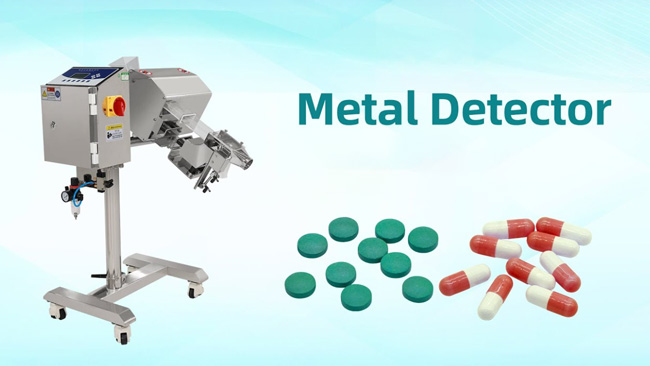
جهاز كاشف المعادن الصيدلاني هو جهاز فحص ضمن الخط يُستخدم للكشف عن الملوثات المعدنية في المنتجات الصيدلانية والغذائية المكملة. في إنتاج الجرعات الصلبة، يُستخدم عادةً للأقراص والكبسولات والحبوب والجيلاتين اللين والحبيبات ومنتجات صغيرة مماثلة.
تُنشئ معظم الأنظمة مجالاً كهرومغناطيسياً داخل فتحة الكشف. أثناء مرور المنتجات، يراقب الكاشف تغيّرات الإشارة. إذا تسببت جسيمة معدنية في تغيير الإشارة بما يتجاوز الحد المقبول، يرسل الجهاز أمر رفض. قد يستخدم نظام الرفض بوابة أو قناة إسقاط أو نفث هواء أو مُحوِّل للمنتجات السائبة مثل الأقراص والكبسولات. قد تحتاج الزجاجات أو الكراتين الأكبر حجماً إلى جهاز رفض على ناقل.
لا يتحقق الجهاز من نص الملصق، أو قابلية قراءة الباركود، أو لون القرص، أو وزن تعبئة الكبسولة، أو اكتمال الكرتون، أو إحكام الغطاء. هذه الفحوصات تخص أنظمة تفتيش أخرى. للكشف عن المعادن مهمة أضيق: العثور على التلوث المعدني وإبقاء المنتجات المشتبه بها خارج تدفق المنتج المقبول.
يقرأ الكاشف التغيرات الناتجة عن مرور المعدن عبر مجال الفحص. عادةً ما يعطي المعدن الحديدي استجابة قوية. المعادن غير الحديدية مثل الألومنيوم والنحاس والبرونز تتصرف بشكل مختلف. قد يكون الفولاذ المقاوم للصدأ أصعب في الكشف، خصوصاً بعض الدرجات غير المغناطيسية.
يعتمد الأداء الفعلي على أكثر من رأس الكاشف. حجم المنتج، وحجم الفتحة، والسرعة، والاهتزاز، والكهرباء الساكنة، والغبار، وموقع الجسيم المعدني كلها تؤثر على الكشف. عادةً ما يدعم المسار الضيق للمنتج حساسية أفضل لأن الأقراص أو الكبسولات تمر أقرب إلى مجال الكشف.
اختبار العينات مهم. قد لا تتصرف الأقراص المستديرة أو البيضاوية أو المغلفة أو الكبسولات الصلبة أو الجيلاتين اللين أو المنتجات المتربة أو التركيبات المحتوية على معادن بنفس الطريقة. يساعد الاختبار باستخدام المنتجات الحقيقية على تأكيد الحساسية، وتدفق المنتج، وسلوك الرفض الخاطئ، ودقة الرفض قبل الإنتاج الكامل.
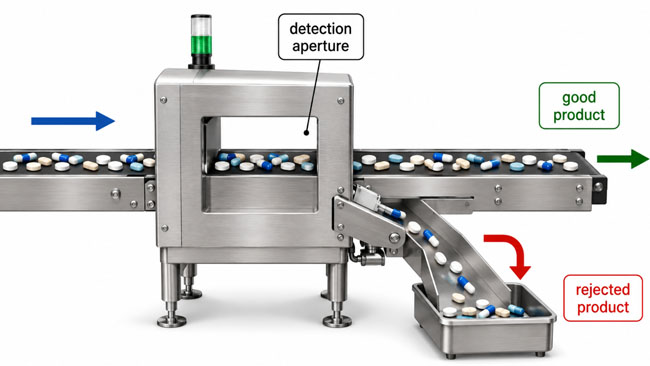
تتضمن خطوط الأقراص والكبسولات العديد من نقاط التلامس المعدنية. آلة ضغط الأقراص تستخدم المثاقب والقوالب تحت ضغط متكرر. تستخدم آلة تعبئة الكبسولات أجزاء الجرعات والضغط والتعبئة والإغلاق والنقل. قد تشمل المناولة اللاحقة جهاز إزالة غبار الأقراص, ومُلمّع الكبسولات، ورافعة، وآلة عد الأقراص أو الكبسولات، وخط التعبئة في الزجاجات، وآلة تعبئة البليستر، وآلة الوسم، وآلة التعبئة في الكراتين.
لا يعني خطر التلوث المعدني أن الخط مُدار بشكل سيئ. بل يعني أن الإنتاج عالي السرعة يحتوي على أجزاء قابلة للاستهلاك، ونقاط صيانة، ومناطق نقل تحتاج إلى دعم للفحص. تقلل الصيانة الوقائية والتنظيف من المخاطر. يضيف كاشف المعادن للأقراص أو نقطة فحص الكبسولات خطوة إضافية قبل إغلاق المنتجات في العبوات النهائية.
بالنسبة للأقراص، غالباً ما يوضع الكشف بعد الضغط وإزالة الغبار. يكون هذا الموقع قريباً من منطقة الأدوات الرئيسية ويعطي الكاشف تيار منتج أنظف. بالنسبة للكبسولات، غالباً ما يوضع الكشف بعد التعبئة والتلميع، قبل العد أو التعبئة في الزجاجات أو تغذية البليستر.
يجب وضع كاشف المعادن للاستخدام في صناعة الأدوية في مكان يمكن فيه إزالة المنتجات بسهولة. عادةً ما يكون من الأسهل فحص الأقراص والكبسولات السائبة قبل إغلاقها في الزجاجات أو البليستر أو الكراتين.
| نقطة الفحص | حالة المنتج | الغرض الرئيسي |
|---|---|---|
| بعد آلة ضغط الأقراص | أقراص سائبة بعد الضغط | يفحص مخاطر المثاقب والقوالب وأجزاء التفريغ |
| بعد جهاز إزالة غبار الأقراص | أقراص أنظف بعد إزالة الغبار | يدعم تدفقاً أكثر سلاسة وفحصاً مستقراً |
| بعد آلة تعبئة الكبسولات | كبسولات مملوءة صلبة | يفحص الكبسولات بعد الجرعات والإغلاق والنقل |
| بعد تلميع الكبسولات | كبسولات مع مسحوق سطحي أقل | يحسن المناولة قبل العد أو تغذية البليستر |
| قبل العد والتعبئة في الزجاجات | أقراص أو كبسولات سائبة | يقلل المخاطر قبل تعبئة الزجاجات |
| قبل تعبئة البليستر | أقراص أو كبسولات سائبة | يفحص المنتجات قبل تعبئة الخلايا والإغلاق |
يعتمد أفضل موقع على تصميم الخط. قد يفوت الكاشف المثبت مبكراً مخاطر من معدات لاحقة. وقد يجعل الكاشف المثبت متأخراً عملية الرفض أصعب لأن المنتج دخل بالفعل إلى زجاجة أو بليستر أو كرتون. تختار العديد من المصانع موقعاً بعد خطوة التشكيل أو التعبئة الرئيسية وقبل التعبئة النهائية.
عادةً ما يتم اختبار كاشف المعادن الدوائي باستخدام المعادن الحديدية وغير الحديدية والفولاذ المقاوم للصدأ.
المعادن الحديدية تحتوي على الحديد وغالباً ما يكون اكتشافها أسهل. تشمل المعادن غير الحديدية الألومنيوم والنحاس والبرونز. يكون الفولاذ المقاوم للصدأ عادةً أصعب، خصوصاً الدرجات غير المغناطيسية، لذا يجب مراجعة نتائج اختبار الفولاذ المقاوم للصدأ بعناية.
الجهاز غير مخصص لاكتشاف كل المواد الغريبة. لا يحل محل فحص الأشعة السينية لبعض الملوثات الكثيفة غير المعدنية، كما أنه غير مصمم لاكتشاف الورق أو المطاط أو البلاستيك أو الزجاج أو الشعر. السؤال الأكثر فائدة هو: ما أحجام عينات الاختبار من الحديدية وغير الحديدية والفولاذ المقاوم للصدأ التي يمكن للجهاز اكتشافها مع منتجك، وبسرعتك، وعبر فتحة الكشف لديك؟
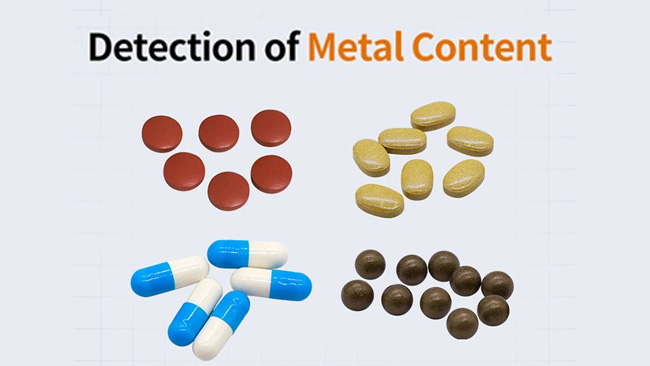
كاشف المعادن للأقراص مصمم للمنتجات الصلبة الصغيرة ومسارات المنتجات المدمجة. أما الكاشف الصناعي العام فقد يكون مصمماً لعبوات الطعام أو الأكياس أو الكراتين أو منتجات النقل الأكبر.
| العنصر | كاشف المعادن للأقراص | كاشف المعادن الصناعي العام |
|---|---|---|
| نوع المنتج | الأقراص والكبسولات والحبوب والمنتجات الصلبة الصغيرة | عبوات الطعام والأكياس والكراتين والمواد السائبة |
| مسار المنتج | قناة ضيقة أو ناقل مدمج | ناقل أعرض أو نفق |
| متطلبات الحساسية | حساسية عالية للمنتجات الصغيرة | يعتمد على حجم العبوة وتأثير المنتج |
| إجراء الرفض | رفض سريع للوحدات الصغيرة | يرفض العبوات الكبيرة أو التدفق الكمي |
| موضع الخط | قرب مكبس الأقراص، أو جهاز إزالة الغبار، أو آلة تعبئة الكبسولات، أو خط العد | خطوط الإنتاج أو التعبئة الأوسع |
هذا الاختلاف مهم عند اختيار جهاز كشف المعادن للاستخدام في صناعة الأدوية. قد يكون كاشف الناقل واسع الفتحة مناسبًا لبعض المنتجات المعبأة، لكنه قد لا يكون مثاليًا للأقراص أو الكبسولات غير المعبأة. غالبًا ما توفر مسارات المنتج الأصغر حساسية أفضل ورفضًا أنظف.
يتحقق كاشف المعادن من التلوث المعدني. يتحقق جهاز فحص الوزن مما إذا كانت الزجاجة أو الكرتون أو الكيس أو أي وحدة أخرى ضمن نطاق الوزن المستهدف. يتحقق نظام فحص الرؤية من الخصائص المرئية مثل موضع الملصق، وقابلية قراءة الباركود، وجودة الرمز المطبوع، ووجود الغطاء، ومظهر الشرائط الفقاعية، ووجود النشرة، وموضع لسان الكرتون.
يتحقق كاشف المعادن من التلوث المعدني. يتحقق جهاز فحص الوزن مما إذا كانت الزجاجة أو الكرتون أو الكيس أو أي وحدة أخرى ضمن نطاق الوزن المستهدف. يتحقق نظام فحص الرؤية من الخصائص المرئية مثل موضع الملصق، وقابلية قراءة الباركود، وجودة الرمز المطبوع، ووجود الغطاء، ومظهر الشرائط الفقاعية، ووجود النشرة، وموضع لسان الكرتون.
لا ينبغي استخدام نظام فحص واحد كبديل مباشر لآخر. يمكن لكاشف المعادن فحص المنتجات غير المعبأة قبل التعبئة. يمكن لجهاز فحص الوزن التحقق من الزجاجات المعبأة أو الكراتين النهائية. يمكن لنظام فحص الرؤية التحقق من الرموز ومظهر العبوة بعد وضع الملصقات أو التعبئة في الكراتين.
ابدأ بالمنتج. تتحرك الأقراص المغلفة، والأقراص غير المغلفة، والأقراص البيضاوية، والأقراص الدائرية، والكبسولات الصلبة، والكبسولات الهلامية اللينة، والمساحيق، والحبيبات بشكل مختلف. يؤثر تدفق المنتج على استقرار الكشف، ودقة الرفض، وخطر تلف المنتج.
تحقق من موضع التركيب بعد ذلك. قد يحتاج الكاشف بعد مكبس الأقراص إلى ارتفاع قناة وتوجيه تفريغ مختلفين عن جهاز موضوع قبل خط العد أو آلة تعبئة الشرائط الفقاعية. يجب تأكيد الملاءمة الميكانيكية قبل الشراء.
يجب مناقشة الحساسية حسب نوع المعدن. اسأل عن عينات الاختبار من المعادن الحديدية وغير الحديدية والفولاذ المقاوم للصدأ. اسأل عما إذا كان يمكن إجراء الاختبار باستخدام عيناتك. رقم واحد للحساسية لا يكفي لعدة أنواع من المنتجات.
تحتاج عملية التحكم في الرفض أيضًا إلى اهتمام. يجب أن يقوم جهاز الرفض بإزالة المنتجات المشبوهة دون تناثر الأقراص أو تكسير الكبسولات أو السماح بعودة المنتجات المرفوضة إلى التدفق الجيد. يجب أن يكون تصميم حاوية الرفض، والتنبيهات، وتأكيد الرفض، ووصول المشغلين سهل الفهم.
قد تنتج حالات الرفض الخاطئ عن تغذية غير مستقرة، أو اهتزاز، أو كهرباء ساكنة، أو تأريض ضعيف، أو ضوضاء كهربائية، أو غبار، أو إعدادات حساسية غير مناسبة. قد يؤدي خفض الحساسية إلى تقليل الإنذارات، لكنه قد يضعف أيضًا الكشف. يجب التحقق أولاً من التغذية، والتأريض، ومسار المنتج، وظروف التركيب.
يمكن أن يسبب ضعف توقيت الرفض مشاكل أيضًا. إذا استجاب اللسان أو نفث الهواء أو القناة متأخرًا جدًا، فقد تتم إزالة المنتج الخاطئ. إذا كان تدفق الهواء قويًا جدًا، فقد تتلف الكبسولات الجيدة أو تتناثر. يجب اختبار الرفض عند سرعة الإنتاج الطبيعية.
يُعد تغيير المنتج خطرًا آخر. عندما يتعامل جهاز واحد مع عدة تنسيقات، يحتاج المشغلون إلى إعدادات واضحة، وخطوات تنظيف، وإجراءات اختبار. تساعد الوصفات المخزنة، لكن كل منتج يحتاج إلى تحقق قبل استئناف الإنتاج.
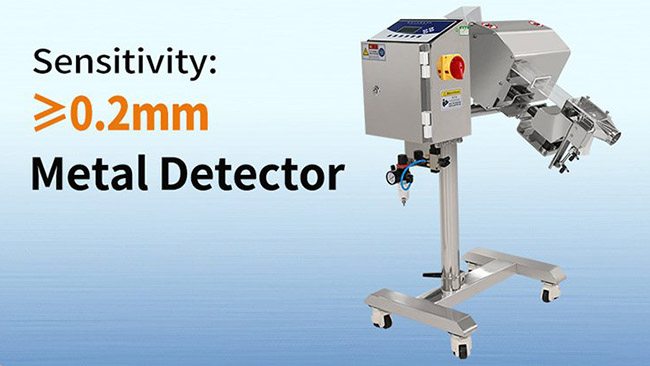
يُعد كشف المعادن جزءًا من مسار أوسع لمراقبة الجودة. يعمل جنبًا إلى جنب مع صيانة المعدات، وفحص الأدوات، وإجراءات التنظيف، وتدريب المشغلين، وسجلات الدُفعات، وفحص الوزن، والفحص البصري.
قبل تعبئة الزجاجات، يساعد الكشف في تقليل المخاطر بينما تكون المنتجات لا تزال غير معبأة ويسهل رفضها. قبل تعبئة الشرائط الفقاعية، يتم فحص الأقراص أو الكبسولات قبل إغلاقها في التجاويف. قبل التعبئة في الكراتين، قد يقترن الفحص بفحص الوزن أو الفحص البصري لدعم اكتمال العبوة النهائية وقابلية التتبع.
أفضل إعداد هو الإعداد العملي. يجب أن يفحص الجهاز المنتجات بسرعة الإنتاج، ويرفض الوحدات المشبوهة بشكل نظيف، ويسمح بالتنظيف السهل، ويتناسب مع الخط دون توقفات متكررة.
يساعد جهاز كشف المعادن الدوائي في فحص الأقراص والكبسولات قبل انتقالها إلى الزجاجات أو الشرائط الفقاعية أو الكراتين أو العبوات النهائية الأخرى. يكون أكثر فائدة عند وضعه بعد خطوة التشكيل أو التعبئة الرئيسية، مثل بعد كبس الأقراص وإزالة الغبار أو بعد تعبئة الكبسولات وتلميعها.
يجب تقييم الجهاز بناءً على ملاءمة المنتج، وحجم الفتحة، والحساسية لأنواع المعادن المختلفة، وموثوقية الرفض، وسهولة التنظيف، والتكامل مع الخط. كما يجب أن يعمل مع أجهزة فحص الوزن وأنظمة الرؤية بدلًا من استبدالها.
في إنتاج الأشكال الجرعية الصلبة، يُعد كشف المعادن نقطة تحقق عملية تساعد في إبقاء الأقراص والكبسولات وخطوط التعبئة اللاحقة أكثر تحكمًا قبل التعبئة النهائية.
يمكن لـ Rich Packing مساعدتك في مطابقة حلول أجهزة كشف المعادن الدوائية مع خطوط الأقراص والكبسولات والعد والتعبئة في الزجاجات وتعبئة الشرائط الفقاعية والتعبئة في الكراتين وفقًا لحجم المنتج وسرعة الخط وموضع التركيب ومتطلبات الرفض. شارك عينة منتجك وتخطيط الخط للحصول على إعداد عملي.
يكشف ويرفض الأقراص والكبسولات والحبوب والكبسولات الهلامية اللينة والحبيبات أو المنتجات المماثلة التي قد تحتوي على ملوثات معدنية قبل التعبئة أو الشحن.
الموضع الشائع هو بعد مكبس الأقراص وجهاز إزالة الغبار، وقبل العد أو التعبئة في الزجاجات أو الشرائط الفقاعية أو المعالجة اللاحقة الأخرى.
نعم، في بعض الحالات. يجب أن تتوافق القناة، وحجم الفتحة، وطريقة الرفض، والإعدادات مع كلا شكلي المنتج. يُوصى باختبار العينات.
تُختبر معظم الأنظمة لاكتشاف المعادن الحديدية وغير الحديدية والفولاذ المقاوم للصدأ. تعتمد النتائج الفعلية على نوع المنتج، وحجم الفتحة، والسرعة، والإعداد.
لا. يكشف جهاز كشف المعادن عن التلوث المعدني، بينما يتحقق جهاز فحص الوزن من وزن المنتج أو العبوة. تستخدم العديد من الخطوط كلا النظامين.
قد تنشأ حالات الرفض الخاطئ من تغذية غير مستقرة، أو اهتزاز، أو كهرباء ساكنة، أو تأريض ضعيف، أو ضوضاء كهربائية، أو غبار، أو إعدادات غير مناسبة.
نعم. يمكن أن يؤدي فحص الأقراص أو الكبسولات غير المعبأة قبل تغذية الشرائط الفقاعية إلى تقليل خطر إغلاق منتجات مشبوهة داخل تجاويف الشرائط.
[1] FDA - 21 CFR 211.67 تنظيف وصيانة المعدات:https://www.law.cornell.edu/cfr/text/21/211.67
[2] Pharmaceutical Technology - عناصر برنامج فعال لكشف المعادن في الجرعات الصلبة:https://www.pharmtech.com/view/elements-effective-solid-dosage-metal-detection-program

29+ years in pharmaceutical machinery, covering capsule filling, tablet pressing, blister packaging, tablet and capsule counting, cartoning, GMP production, and overseas machine service.

بريد إلكتروني : manager@richpacking.cn
Building D, No. 226, Beishan Qiaotou Street, Haizhu District, Guangzhou City, Guangdong Province, China


 دعم شبكة IPv6