






 منزل، بيت
 منتجات
29+ years in pharmaceutical machinery, covering capsule filling, tablet pressing, blister packaging, tablet and capsule counting, cartoning, GMP production, and overseas machine service.

يظهر العسل في العديد من العبوات المألوفة. برطمان زجاجي على رف الهدايا. زجاجة ضغط بلاستيكية في مطبخ عائلي. كيس صغير بجانب خبز إفطار الفندق. عبوة عصا رفيعة بجوار الشاي أو القهوة. لا يزال المنتج هو العسل، لكن طريقة فتحه وسكبه وحمله وتخزينه ومشاركته تتغير مع العبوة.
لهذا السبب فإن تغليف العسل يتجاوز مجرد اختيار حاوية. يجب أن تحمي العبوة العسل، وتعرض المنتج بوضوح، وتناسب قناة البيع، وتعمل مع عملية التعبئة والإغلاق التي تقف وراءها. فالبرطمان والزجاجة والكيس الصغير وعبوة العصا والكيس المرن كلها تخلق احتياجات إنتاج مختلفة.
للعسل أيضًا خصائصه الخاصة. فهو كثيف وبطيء التدفق وحساس للرطوبة ويتأثر بدرجة الحرارة. تؤثر هذه الصفات على نوع العبوة والآلة المستخدمة لتعبئتها. لا تعمل آلة تعبئة العسل للبرطمانات بالطريقة نفسها التي تعمل بها آلة تعبئة أكياس العسل الصغيرةأو آلة تعبئة العصي. كل عبوة تحكي قصة صغيرة عن كيفية استخدام العسل.
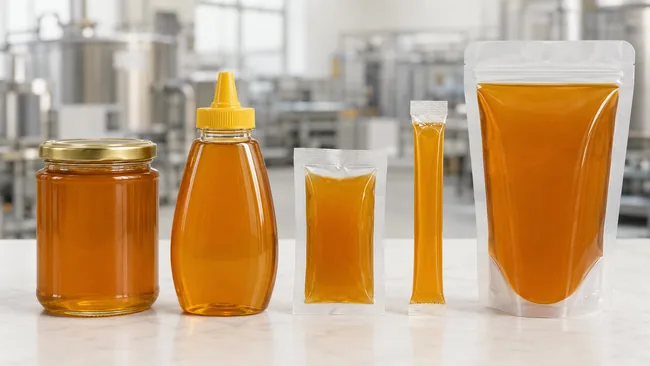
يبدأ تغليف العسل بالعبوة التي يراها الناس، لكنه يشمل عدة خطوات قبل وصول المنتج إلى الرف أو طاولة المقهى أو صينية الفندق أو صندوق الشحن.
الخطوة الأولى هي اختيار نوع العبوة. تخدم البرطمانات الزجاجية والزجاجات البلاستيكية وزجاجات الضغط والأكياس الصغيرة وعبوات العصي والأكياس ذات الفوهة وعبوات الحصص استخدامات مختلفة. يُصنع البرطمان العائلي للاستخدام المتكرر في المنزل. يُصنع الكيس الصغير لحصة واحدة نظيفة. عبوة العصا ضيقة وقابلة للحمل وسهلة الوضع بجانب الشاي أو القهوة أو المنتجات التجريبية. يوفر الكيس المرن مساحة أكبر للعلامة التجارية ويمكن أن يقلل وزن النقل مقارنة بالحاويات الصلبة.
الخطوة الثانية هي اختيار المادة. يلامس العسل الجزء الداخلي من العبوة، لذلك يجب أن تكون المادة مناسبة لملامسة الطعام. تصف إدارة الغذاء والدواء الأمريكية المواد الملامسة للطعام بأنها مواد تلامس الطعام من خلال التغليف أو التخزين أو المناولة أو معدات المعالجة، بما في ذلك مكونات التغليف مثل الطلاءات والملونات والمواد اللاصقة.
الخطوة الثالثة هي التعبئة والإغلاق. تحتاج البرطمانات والزجاجات عادةً إلى آلة تعبئة عسل، تليها عمليات وضع الأغطية والإغلاق ووضع الملصقات وأحيانًا التعبئة في علب كرتونية. تُصنع الأكياس الصغيرة وعبوات العصي من فيلم ملفوف، وتُملأ بكمية محددة من العسل، ثم تُغلق وتُقطع. تحتاج الأكياس المرنة إلى الفتح والتعبئة والإغلاق وغالبًا الترميز قبل تعبئتها للبيع.
الخطوة الأخيرة هي العرض والتوزيع. قد يحتاج برطمان البيع بالتجزئة إلى ملصق وصندوق خارجي. قد تحتاج علبة عصي العسل إلى العد والتجميع. قد يحتاج الكيس المرن إلى فوهة وغطاء وفيلم مطبوع. يحدد تغليف العسل كيفية حمل المنتج وفتحه وشحنه وعرضه وتذكره.
تُعد البرطمانات الزجاجية من أكثر الخيارات شيوعًا. فهي تُظهر لون العسل وشفافيته، وهو أمر مفيد للبيع بالتجزئة الفاخر وعبوات الهدايا والمنتجات المتخصصة. يمنح الزجاج المنتج طابعًا تقليديًا وحضورًا قويًا على الرف. وتتمثل حدوده الرئيسية في الوزن وخطر الكسر وارتفاع تكلفة الشحن.
تُستخدم الزجاجات البلاستيكية على نطاق واسع للعسل اليومي. فهي أخف من الزجاج وأسهل في الشحن. بعضها زجاجات صلبة بأغطية لولبية، بينما البعض الآخر زجاجات ضغط مصممة للتوزيع السهل. تكون زجاجات الضغط مفيدة بشكل خاص عندما يرغب العملاء في إضافة العسل إلى الخبز المحمص أو الزبادي أو الشاي أو الطهي دون استخدام ملعقة.
الأكياس الصغيرة هي عبوات صغيرة مسطحة للاستخدام الفردي. وهي شائعة في الفنادق وشركات الطيران والمقاهي وعبوات الوجبات وخدمات الطعام. يحول الكيس الصغير العسل من منتج منزلي مخزن إلى حصة محددة. وهو نظيف وسهل التوزيع ومناسب عندما تحتاج كل حصة إلى أن تكون منفصلة.
عبوات العصي طويلة وضيقة. تعمل عبوات عصي العسل بشكل جيد مع الشاي والقهوة وعبوات السفر والاستخدام الخارجي والعينات والمنتجات ذات الطابع الصحي. مقارنة بالكيس الصغير، تبدو عبوة العصا أخف وأسهل في الحمل. تقوم آلة عصي العسل أو آلة تعبئة العصي السائلةبتشكيل العبوة الضيقة وتعبئتها وإغلاقها وقطعها إلى عصي فردية.
تُستخدم الأكياس ذات الفوهة عندما ترغب العلامات التجارية في عبوة مرنة يمكنها الوقوف على الرف وإعادة إغلاقها. وهي أخف من البرطمانات أو الزجاجات وتوفر مساحة أكبر للطباعة. تناسب الأكياس المرنة الحصص الأكبر بشكل أفضل من الأكياس الصغيرة أو العصي، خاصة عندما يحتاج المنتج إلى السكب أكثر من مرة.
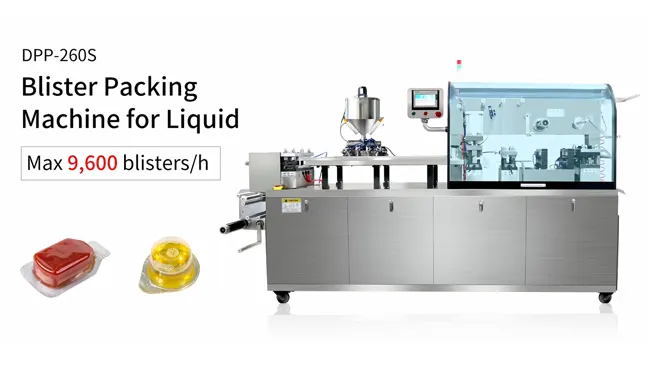
تُستخدم عبوات الحصص والعبوات السائلة المشكلة على غرار العبوات الفقاعية للحصص الفردية المشكلة. يمكنها توفير تجربة تقديم نظيفة وتأثير عرض مرتب. تحتاج هذه العبوات إلى تشكيل وتعبئة وإغلاق دقيق، لذلك تعتمد أكثر على إعداد آلة التعبئة المناسب.
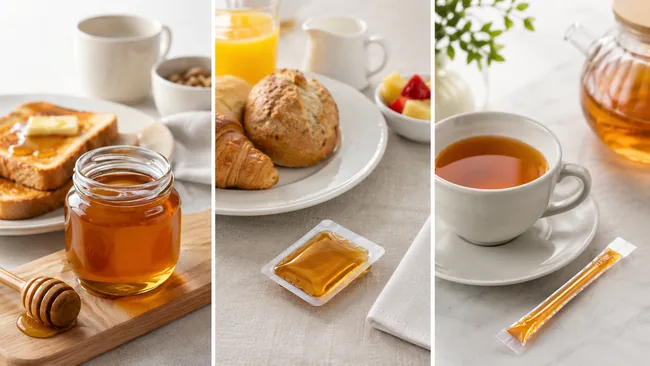
يتشكل تغليف العسل حسب طريقة استخدام المنتج.
تريد العائلة التي تشتري العسل للإفطار اليومي عبوة يمكن فتحها وإغلاقها مرات عديدة. يناسب ذلك البرطمان الزجاجي أو زجاجة الضغط. يحتاج الفندق إلى حصص فردية نظيفة لا تتطلب ملاعق أو حاويات مشتركة. يناسبها الكيس الصغير أو عبوة الحصة بشكل أفضل. قد تفضل علامة تجارية للشاي عبوات العصي لأنها سهلة الوضع داخل صندوق أو تجميعها مع منتجات المشروبات.
يغير حجم الحصة منطق الإنتاج بالكامل. لا يمكن التعامل مع برطمان 500 غرام وزجاجة ضغط 250 غرامًا وكيس صغير 10 غرامات وعبوة عصا 15 غرامًا كأنها مهمة تغليف واحدة. يتغير حجم التعبئة وتغذية الفيلم أو الحاوية وطريقة الإغلاق ومساحة الملصق وتعبئة الكرتون.
يؤثر العسل نفسه أيضًا على الاختيار. تهتم معايير العسل التجارية بالتركيب والجودة المرتبطة بالرطوبة. يحدد معيار العسل الصادر عن الدستور الغذائي متطلبات هوية العسل وتركيبه، بما في ذلك الحدود المتعلقة بمحتوى الرطوبة. تساعد العبوة الجيدة في الحفاظ على حماية المنتج بعد التعبئة، خاصة من الرطوبة والتلوث وضعف الإغلاق.
تؤثر درجة الحرارة واللزوجة أيضًا. يتدفق بعض العسل بسهولة أكبر، بينما يحتاج العسل الأكثر كثافة إلى تحكم أكبر أثناء التعبئة. إذا كان العسل باردًا جدًا، فقد يُملأ ببطء أو يكوّن ذيولًا عند الفوهة. وإذا تمت معالجته بحرارة مفرطة، فقد تتأثر الجودة. لهذا السبب يحتاج تغليف العسل غالبًا إلى معدات مصممة للسوائل اللزجة بدلًا من السوائل الرقيقة العادية.
تعتمد الآلة المستخدمة وراء تغليف العسل على نوع العبوة.
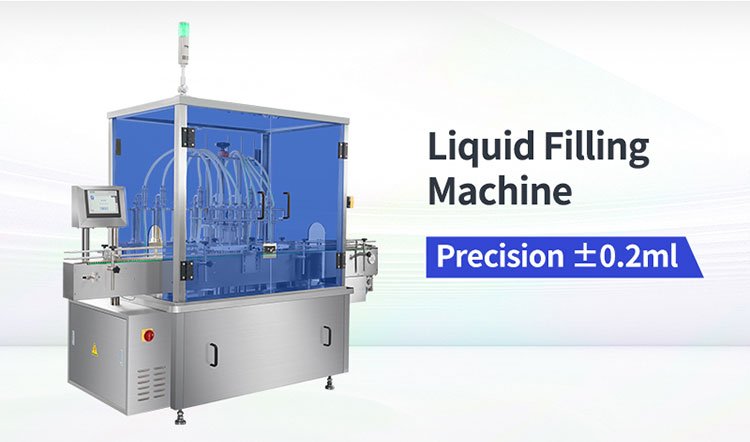
بالنسبة للبرطمانات والزجاجات البلاستيكية وزجاجات الضغط، فإن الآلة الأساسية هي آلة تعبئة العسل. عادةً ما يُعبأ العسل الكثيف باستخدام نظام تعبئة بالمكبس أو نظام تعبئة بالمضخة، اعتمادًا على الحجم والسرعة واللزوجة المطلوبة. في خط تعبئة كامل، تتصل آلة التعبئة بمعدات تغذية الزجاجات ووضع الأغطية ووضع الملصقات وترميز التاريخ وتعبئة الكراتين. ولهذا تظهر مصطلحات آلة تعبئة العسل وآلة تعبئة زجاجات العسل معًا كثيرًا: يصف أحدهما محطة التعبئة، بينما يشير الآخر عادةً إلى خط تغليف الزجاجات الكامل.
بالنسبة للأكياس الصغيرة وعبوات العصي، تختلف العملية لأن العبوة تُصنع من فيلم ملفوف بدلًا من حاوية جاهزة. تقوم آلة تعبئة أكياس العسل الصغيرة بتشكيل عبوات مسطحة صغيرة، وتعبئة كل حصة، وإغلاق الحواف، وقطع الأكياس الصغيرة النهائية. تتبع آلة تعبئة العصي فكرة التعبئة والإغلاق والقطع نفسها، لكنها تنشئ عبوات عصا ضيقة، غالبًا مع تشغيل مسارات متعددة في الوقت نفسه. تُستخدم الأكياس الصغيرة للحصص الفردية وخدمات الطعام وأخذ العينات، بينما تُختار عبوات العصي غالبًا عندما تريد العلامات التجارية حصصًا رفيعة سهلة الفتح بكميات أكبر.
بالنسبة للأكياس المرنة، يتغير إعداد الآلة مرة أخرى. تقوم آلة تعبئة الأكياس الجاهزةبفتح الأكياس الجاهزة وتعبئة العسل وإغلاقها وإخراج العبوات النهائية. يُستخدم هذا النوع من المعدات للأكياس القائمة والأكياس ذات الفوهة والأكياس المطبوعة للبيع بالتجزئة حيث يكون شكل العبوة ومظهرها على الرف جزءًا من تصميم المنتج.
لذلك فإن السؤال الرئيسي ليس ببساطة أي آلة تعبئة عسل هي الأسرع. نقطة البداية الأفضل هي العبوة نفسها: زجاجة أو برطمان أو كيس صغير أو عبوة عصا أو كيس مرن. بمجرد وضوح نوع العبوة، تصبح طريقة التعبئة والإغلاق أسهل بكثير في الاختيار.
تشمل مجموعة معدات Rich Packing آلة تعبئة العصي السائلة،آلة تغليف العبوات الفقاعية السائلة، وآلة التغليف بالكرتون، وأنظمة التغليف ذات الصلة للمنتجات الدوائية والمغذية والأغذية. بالنسبة للعسل، النقطة المهمة هي مطابقة نوع العبوة مع طريقة التعبئة والإغلاق، وليس مجرد اختيار أسرع آلة لتعبئة العسل.
يوضح الجدول أدناه طريقة سريعة لربط عبوة العسل الظاهرة بالعمل الذي تقوم به الآلة وراءها. إنه ليس كتاب قواعد، بل طريقة لفهم سبب تغير عبوات العسل عندما تتغير حالة الاستخدام.
|
نوع عبوة العسل |
الاستخدام الشائع |
الآلة الرئيسية المستخدمة |
سبب اختيار العلامات التجارية لها |
|
مرطبان زجاجي |
البيع بالتجزئة، العسل الفاخر، الهدايا |
آلة تعبئة العسل، آلة وضع الأغطية، آلة وضع الملصقات |
رؤية واضحة للمنتج ومظهر قوي على الرف |
|
زجاجة بلاستيكية |
البيع بالتجزئة اليومي، الاستخدام العائلي |
آلة تعبئة العسل في الزجاجات، آلة وضع الأغطية |
أخف من الزجاج وأسهل في الشحن |
|
زجاجة قابلة للعصر |
الاستخدام في المطبخ، المطاعم، الاستخدام المتكرر |
آلة تعبئة العسل، آلة وضع الأغطية |
سكب أسهل وحاجة أقل لاستخدام الملعقة |
|
ظرف صغير |
الفنادق، المقاهي، شركات الطيران، خدمات الطعام |
آلة تعبئة أكياس العسل الصغيرة |
حصة فردية نظيفة والتحكم في الكمية |
|
عبوة عصوية |
الشاي، القهوة، السفر، العينات |
آلة تعبئة العصي أو آلة تعبئة أعواد العسل |
رفيعة، محمولة، سهلة التجميع |
|
كيس مرن بفوهة |
عبوة مرنة أكبر للبيع بالتجزئة |
آلة تعبئة الأكياس الجاهزة |
خفيفة الوزن، قابلة لإعادة الإغلاق، ومساحة طباعة أكبر |
|
عبوة حصة |
خدمات الطعام، التقديم المتحكم به |
آلة تغليف البثور للسوائل أو نظام تعبئة الحصص |
وحدات منفصلة وعرض أنيق |
قد تبدأ علامة عسل صغيرة بالمرطبانات وآلة تعبئة عسل شبه أوتوماتيكية. وقد يختار مورد فندقي الأظرف الصغيرة منذ البداية. وقد تفضل علامة مشروبات العبوات العصوية. وقد يحتاج مُعبئ تعاقدي إلى عدة أنواع من الآلات لأن العملاء يستخدمون العسل في أسواق مختلفة.
ابدأ بقناة البيع. رفوف المتاجر، والمقاهي، والفنادق، وعبوات السفر، وعلب الهدايا، وكراتين التصدير لا تحتاج إلى العبوة نفسها. يجب أن تتبع الآلة قرار اختيار العبوة.
ثم تحقق من حجم الحصة. يحتاج الظرف الصغير إلى تحكم مختلف في التعبئة مقارنة بالمرطبان العائلي. يمكن أن تصبح الأخطاء الصغيرة في الحصة الواحدة مكلفة عندما يزداد حجم الإنتاج.
بعد ذلك، تحقق من سلوك العسل. يمكن أن يتصرف العسل الكثيف، والعسل المتبلور، والعسل المخفوق، والعسل المنكه بشكل مختلف داخل القادوس والمضخة والأنبوب والفوهة. تحتاج بعض المنتجات إلى تسخين لطيف أو خلط قبل التعبئة. بينما تحتاج منتجات أخرى إلى إيقاف تدفق أنظف عند الفوهة للحفاظ على منطقة الإغلاق نظيفة.
طريقة الإغلاق لا تقل أهمية عن التعبئة. تحتاج الزجاجات إلى أغطية أو بطانات أو إحكام إغلاق. تحتاج الأكياس الصغيرة والعبوات الشريطية إلى إغلاق حراري. قد تحتاج الأكياس إلى إغلاق علوي ومعالجة الفوهة. إذا كان الإغلاق ضعيفًا، فسوف يلاحظ العميل ذلك قبل أن يلاحظ سرعة الإنتاج.
انظر أيضًا إلى الأعمال اللاحقة. فالملصقات، ورموز الدُفعات، والعلب الكرتونية، وصناديق العرض، وعبوات الشحن هي جزء من مسار التغليف نفسه. قد تظل آلة تعبئة العسل الأوتوماتيكية الجيدة تسبب اختناقات إذا لم تستطع عمليات وضع الملصقات أو تعبئة العلب مواكبة السرعة.
تغليف العسل هو عملية وضع العسل في عبوة آمنة وقابلة للبيع. ويشمل ذلك الحاوية أو الفيلم، والمواد الملامسة للغذاء، والتعبئة، والإغلاق، ووضع الملصقات، والترميز، والتغليف الخارجي.
تشمل أنواع تغليف العسل الشائعة البرطمانات الزجاجية، والزجاجات البلاستيكية، وزجاجات الضغط، والأكياس الصغيرة، والعبوات الشريطية، والأكياس ذات الفوهة، وعبوات الحصص الفردية.
يعتمد ذلك على نوع العبوة. تستخدم البرطمانات والزجاجات آلة تعبئة العسل أو آلة تعبئة العسل في الزجاجات. تستخدم الأكياس الصغيرة آلة تعبئة أكياس العسل. تستخدم العبوات الشريطية آلة تعبئة العبوات الشريطية. تستخدم الأكياس آلة تعبئة الأكياس الجاهزة.
تُعد البرطمانات أفضل للاستخدام المنزلي المتكرر والبيع بالتجزئة الفاخر. أما الأكياس الصغيرة فهي أفضل للحصص الفردية في الفنادق والمقاهي وشركات الطيران وخدمات الطعام.
يُستخدم تغليف أعواد العسل للعسل ذي الحصة الفردية في الشاي والقهوة وعبوات السفر وعبوات العينات وخدمات الطعام. فهو يوفر عبوة رفيعة للحصة يسهل حملها وفتحها.
عادةً لا. يمكن لآلة واحدة غالبًا التعامل مع عدة أحجام ضمن نوع واحد من العبوات، لكن البرطمانات والأكياس الصغيرة والعبوات الشريطية والأكياس وعبوات الحصص الفردية تحتاج إلى هياكل آلات مختلفة.
ينبغي لعلامة عسل تجارية صغيرة أن تحدد مكان بيع المنتج وكيف سيستخدمه العملاء. يوجه هذا القرار إلى نوع العبوة المناسب، ثم إلى المعدات المناسبة.
تغليف العسل ليس مجرد خيار تصميم. فهو يربط بين استخدام المنتج، وحجم الحصة، والمادة، وطريقة التعبئة، وطريقة الإغلاق، ومعدات الإنتاج.
تعمل البرطمانات والزجاجات بشكل جيد للبيع بالتجزئة والاستخدام المتكرر. تناسب الأكياس الصغيرة والعبوات الشريطية الحصص الفردية. تقلل الأكياس الوزن وتمنح العلامات التجارية مساحة أكبر للطباعة. تناسب عبوات الحصص الفردية الأسواق التي تتطلب استخدامًا مضبوطًا. خلف كل نوع يوجد مسار إنتاج مختلف، بدءًا من آلات تعبئة العسل وآلات تعبئة العسل في الزجاجات وصولًا إلى تعبئة الأكياس الصغيرة، وتعبئة العبوات الشريطية، وتعبئة الأكياس، ووضع الملصقات، وتعبئة العلب الكرتونية.
المسار الأكثر وضوحًا هو تحديد كيفية استخدام العسل أولًا. بمجرد تحديد نوع العبوة، يصبح اختيار الآلة أسهل بكثير.
·إدارة الغذاء والدواء الأمريكية: مكونات الأغذية والتغليف: https://www.fda.gov/food/food-ingredients-packaging
·معيار الدستور الغذائي للعسل: https://resources.beesfordevelopment.org/rc/codex-alimentarius-standard-for-honey/

29+ years in pharmaceutical machinery, covering capsule filling, tablet pressing, blister packaging, tablet and capsule counting, cartoning, GMP production, and overseas machine service.

بريد إلكتروني : manager@richpacking.cn
Building D, No. 226, Beishan Qiaotou Street, Haizhu District, Guangzhou City, Guangdong Province, China


 دعم شبكة IPv6