






 منزل، بيت
 منتجات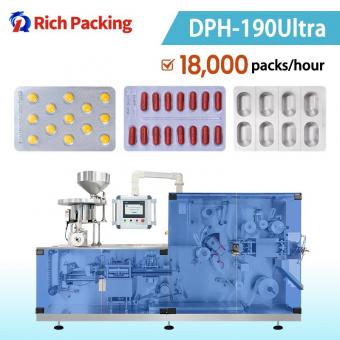
29+ years in pharmaceutical machinery, covering capsule filling, tablet pressing, blister packaging, tablet and capsule counting, cartoning, GMP production, and overseas machine service.

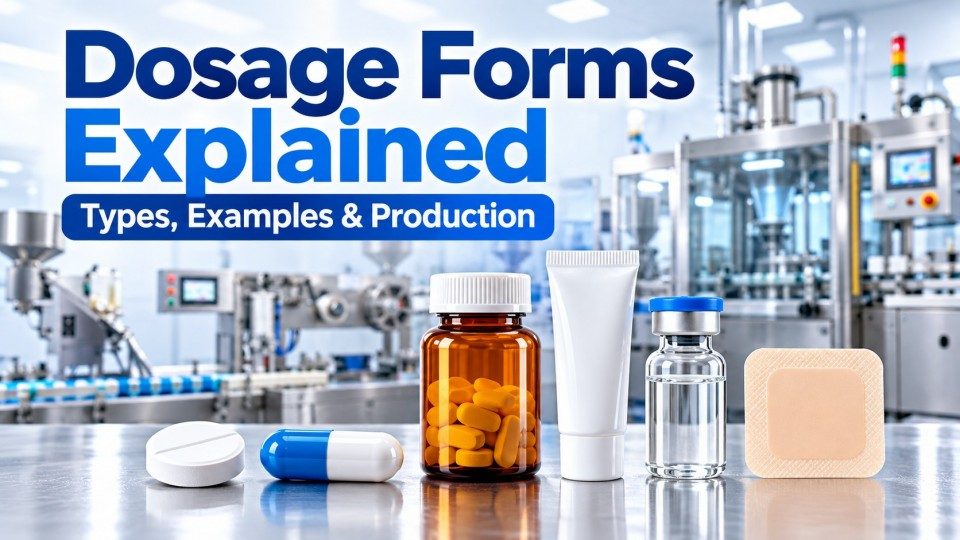
الشكل الصيدلاني هو الشكل المادي الذي يتم فيه إنتاج وتوريد المنتج الدوائي، مثل القرص، أو الكبسولة، أو المحلول، أو الكريم، أو الحقن، أو منتج الاستنشاق، أو اللصقة.وهو يجمع بين المكون الصيدلاني الفعال (API) والمواد المضافة (excipients) وتصميم المنتج الذي يجعل الدواء مناسباً لطريقة معينة للإعطاء. تدرج مصطلحات FDA الأشكال الصيدلانية بشكل منفصل عن طرق الإعطاء، بينما تقدم USP أوصافاً عامة ومبادئ تصنيع للأشكال الصيدلانية شائعة الاستخدام.
بالنسبة لمصنعي الأدوية، الشكل الصيدلاني هو أكثر من مجرد ملصق على المنتج النهائي. فهو يؤثر على التركيبة، ومناولة المواد، وتكوين جرعة الوحدة، وسلوك التحرر، والتغليف الأولي، والتخزين، والمعدات اللازمة لإنتاج المنتج بشكل متسق. يشرح هذا الدليل الأنواع الرئيسية للأشكال الصيدلانية، ويقدم أمثلة عملية، ويفصل الشكل الصيدلاني عن الطريق والجرعة والقوة، ويربط هذه المفاهيم بالإنتاج الصيدلاني.
الشكل الصيدلاني هو الشكل المكتمل للمستحضر الدوائي الذي يتم فيه تقديم جرعة الدواء للاستخدام.تصف NLM MeSH الأشكال الصيدلانية بأنها مستحضرات صيدلانية مكتملة تحتوي على جرعات موصوفة، بينما تدرج FDA أشكالاً مثل الأقراص، والكبسولات، والكريمات، والمحاليل، والمعلقات، والحقن، واللصقات، والتحاميل.
الشكل الصيدلاني ليس هو نفسه المكون الصيدلاني الفعال (API). المكون الصيدلاني الفعال (API) هو المادة الدوائية النشطة. المواد المضافة (excipients) هي مكونات تركيبة غير نشطة تُستخدم لوظائف مثل الملء، والربط، والتفكك، والتشحيم، والطلاء، والتحكم في اللزوجة، والحفظ، أو استقرار المنتج. الشكل الصيدلاني هو التكوين النهائي الذي تم إنشاؤه من تلك المواد.
على سبيل المثال، ضع في اعتبارك منتجاً يحمل ملصق قرص 500 مجم للاستخدام الفموي. القرص هو الشكل الصيدلاني، والفموي هو طريق الإعطاء، و500 مجم هي القوة لكل قرص، والجرعة هي الكمية التي يتم إعطاؤها فعلياً في وقت واحد. يعد الحفاظ على هذه المصطلحات منفصلة أمراً مهماً لأن الجهات التنظيمية ومعايير دستور الأدوية تتعامل مع الشكل الصيدلاني، والطريق، والقوة، ومعلومات الجرعات كسمات مميزة للمنتج.
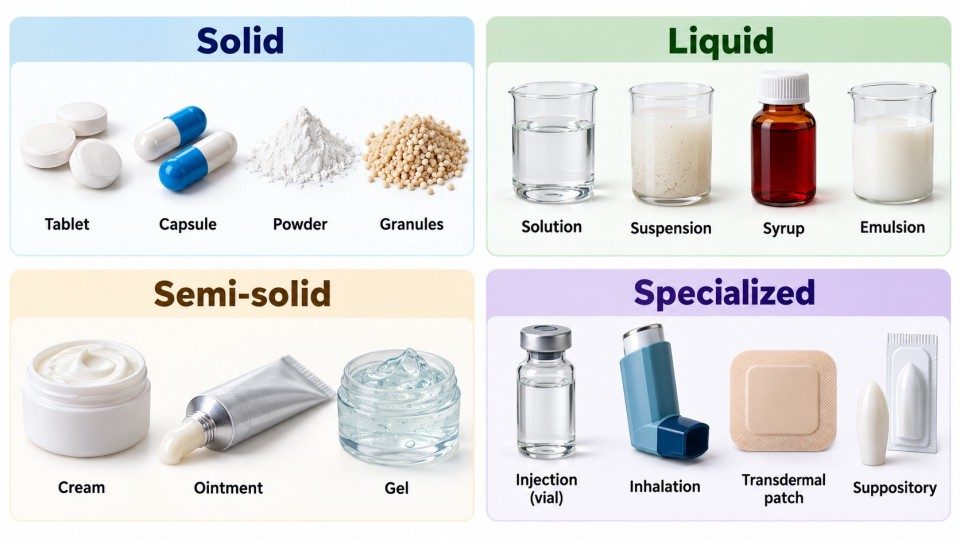
لا يوجد تصنيف واحد يغطي كل شكل صيدلاني دون تداخل.يمكن تنظيم الأشكال الصيدلانية حسب الخصائص الفيزيائية، أو طريق الإعطاء، أو سلوك التحرر، أو نظام التوصيل. تستخدم USP أوصاف الشكل المادي، بينما تحتفظ FDA و EDQM بمصطلحات تحدد بشكل منفصل الأشكال الصيدلانية وطرق الإعطاء.
يلخص الجدول التالي عائلات الأشكال الصيدلانية الشائعة. تصف بعض الصفوف أشكالاً مادية، بينما تصف أخرى عائلات توصيل مألوفة سريرياً، لذا لا ينبغي التعامل مع الفئات على أنها حصرية متبادلة.
|
الفئة |
أمثلة شائعة |
الطرق النموذجية |
الخصائص العملية |
|
الأشكال الصيدلانية الصلبة |
أقراص، كبسولات، مساحيق، حبيبات، أقراص استحلاب |
عن طريق الفم، أو الشدق، أو تحت اللسان وغيرها |
جرعات الوحدة، عمليات تصنيع ناضجة، خيارات تغليف واسعة |
|
الأشكال الصيدلانية السائلة |
محاليل، معلقات، مستحلبات، أشربة |
عن طريق الفم، أو العين، أو الأذن، أو الحقن وغيرها |
جرعات مرنة؛ تعتمد التركيبة والاستقرار الميكروبي على تصميم المنتج |
|
الأشكال الصيدلانية شبه الصلبة |
كريمات، مراهم، هلام (جل)، معاجين |
موضعي، مخاطي، عبر الجلد |
تعد الريولوجيا (علم الجريان)، والقابلية للانتشار، وتوافق الحاوية أموراً مهمة |
|
الأشكال الصيدلانية للحقن (Parenteral) |
محاليل، معلقات، مستحلبات، أو مساحيق للحقن |
عن طريق الوريد (IV)، أو العضل (IM)، أو تحت الجلد (SC) وطرق حقن أخرى |
التعقيم ضروري؛ يعتمد البدء والمدة على الطريق والتركيبة |
|
الأشكال الصيدلانية للاستنشاق |
بخاخات مقننة، مساحيق جافة، محاليل أجهزة الرذاذ |
رئوي |
يؤثر أداء الجهاز وخصائص الرذاذ أو الجسيمات على التوصيل |
|
أنظمة عبر الجلد |
لصقات وهلام (جل) مختار |
عبر الجلد |
مصممة لتوصيل الدواء عبر الجلد السليم |
|
أشكال أخرى |
التحاميل، الغرسات، والحشوات |
المسارات الشرجية، والمهبلية، وتحت الجلد، ومسارات أخرى |
يعتمد سلوك المنتج بشكل كبير على التركيبة وموقع الإعطاء |
الأشكال الصيدلانية الصلبة تشمل الأقراص، والكبسولات، والمساحيق، والحبيبات، وأقراص الاستحلاب، والكريات، وما يتعلق بها من مستحضرات. تتضمن مصطلحات الأشكال الصيدلانية لدى FDA أنواعاً فرعية متعددة من الأقراص والكبسولات، بما في ذلك المغلفة، ومعدلة التحرر (متأخرة التحرر أو ممتدة التحرر)، والقابلة للمضغ، والمنتجات سريعة التحلل في الفم. تختلف متطلبات تصنيعها حسب المنتج، لا سيما في تحضير المواد، والتشكيل، والتغليف، والتعبئة النهائية.
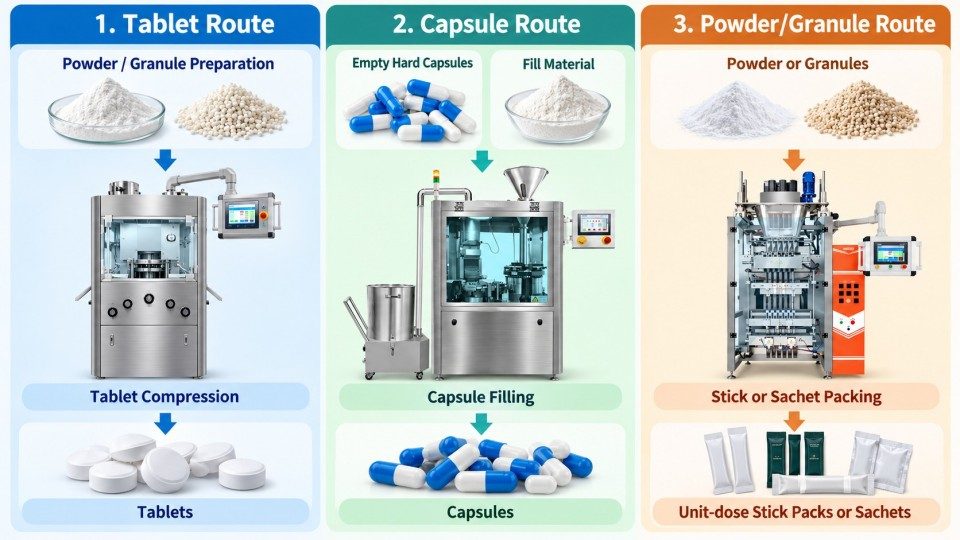
تُصنع الأقراص عادةً من مساحيق أو حبيبات يتم خلطها ثم ضغطها. واعتماداً على التركيبة، قد تتضمن العملية التحبيب الرطب أو الجاف، والتجفيف، والطحن، والتشحيم، والضغط، والتغليف. تقوم آلة ضغط الأقراص بتشكيل الوحدة؛ وقد تضيف آلة تغليف الأقراص طبقة واقية أو جمالية أو مغطية للطعم أو معوية أو معدلة التحرر حيثما يتطلب تصميم المنتج ذلك.
تستخدم الكبسولات الصلبة منطق تشكيل مختلفاً. يتم توجيه وفصل أجسام وأغطية الكبسولات الفارغة، ثم تُعبأ التركيبة داخل الجسم، ويتم إغلاق الغلاف. تقوم آلة تعبئة الكبسولات بتنسيق هذه العمليات من خلال محطات متسلسلة، مما يجعل مبدأ عملها مختلفاً جوهرياً عن ضغط الأقراص.
يمكن أن تكون المساحيق والحبيبات أيضاً أشكالاً صيدلانية نهائية. قد يتم توفيرها في زجاجات، أو أكياس، أو عبوات العصي، أو تُستخدم كمواد وسيطة للأقراص والكبسولات. يعتمد إنتاجها وتعبئتها على قابلية التدفق، وخصائص الجسيمات، والحساسية للرطوبة، وحجم الجرعة، وخصائص الحاجز المطلوبة للعبوة النهائية.
تشمل الأشكال الصيدلانية السائلة المحاليل، والمعلقات، والمستحلبات، والأشربة، وغيرها من المستحضرات السائلة. في المحلول، يذوب الدواء في الوسط الناقل. وفي المعلق، تتشتت الجسيمات الصلبة في طور سائل. وفي المستحلب، يتشتت طور سائل في طور سائل آخر غير قابل للامتزاج.
يمكن أن تكون السوائل مفيدة عندما تتطلب التركيبة شكلاً سائلاً أو عندما تكون هناك حاجة لقياس مرن للجرعة. ومع ذلك، لا ينبغي وصفها بأنها أسرع مفعولاً بشكل عام من الأقراص. يعتمد التحرر والامتصاص على الدواء، والتركيبة، والمسار، والفسيولوجيا، وتصميم المنتج.
مقارنة بالعديد من المنتجات الصلبة، يمكن أن تطرح التركيبات السائلة تحديات إضافية تتعلق بالاستقرار الفيزيائي أو الكيميائي أو الميكروبي. تتطلب بعض المنتجات مواد حافظة، أو درجة حموضة مضبوطة، أو حماية من الضوء أو الأكسجين، أو أنظمة خاصة لإغلاق الحاويات. يجب تحديد هذه المتطلبات للتركيبة المحددة بدلاً من افتراضها لكل دواء سائل.
تشمل الأشكال الصيدلانية شبه الصلبة الكريمات، والمراهم، والهلام (الجل)، والمعاجين. يعتمد أداؤها على أكثر من مجرد تركيز المادة الفعالة (API). إذ تلعب الريولوجيا (علم الجريان)، وتوزيع القطرات أو الجسيمات، والقابلية للانتشار، واستقرار الطور، وتحرر الدواء من القاعدة، والتوافق مع الأنبوب أو الجرة أو المضخة أو أي حاوية أولية أخرى دوراً مهماً.
تُستخدم المنتجات شبه الصلبة عادةً على الجلد أو الأسطح المخاطية، ولكن التأثير المقصود قد يكون موضعياً أو جهازياً اعتماداً على التركيبة والمسار. ولذلك، تختلف معدات التصنيع عن معدات الأقراص والكبسولات المستخدمة للأشكال الصيدلانية الصلبة الفموية.
تشمل الأشكال الصيدلانية القابلة للحقن المحاليل المعقمة، والمعلقات، والمستحلبات، والمساحيق التي يتم حلّها قبل الإعطاء. فهي تتجاوز الجهاز الهضمي، لكن كلمة "قابلة للحقن" لا تعني تلقائياً "سريعة المفعول". يمكن أن يؤدي الإعطاء الوريدي إلى توافر جهازي سريع، بينما صُممت بعض تركيبات الحقن العضلي أو تحت الجلد عمداً لتحرر ممتد.
تشمل أشكال الاستنشاق الصيدلانية بخاخات الجرعات المقننة، ومنتجات المسحوق الجاف، والسوائل المذراة. يعتمد أداؤها على كل من التركيبة وجهاز التوصيل. تقوم الأنظمة عبر الجلد بتوصيل الدواء عبر الجلد السليم وقد تُصمم لتوصيل مضبوط على مدى فترة ممتدة.
التحاميل هي مستحضرات صلبة مصممة للإدخال في تجاويف الجسم، حيث قد تذوب أو تلين أو تتفكك أو تتشتت اعتماداً على القاعدة وتصميم المنتج. الغرسات والحشوات هي أمثلة إضافية توضح لماذا لا يمكن لتصنيف بسيط مثل "صلب، سائل، شبه صلب" أن يصف كل شكل صيدلاني حديث.
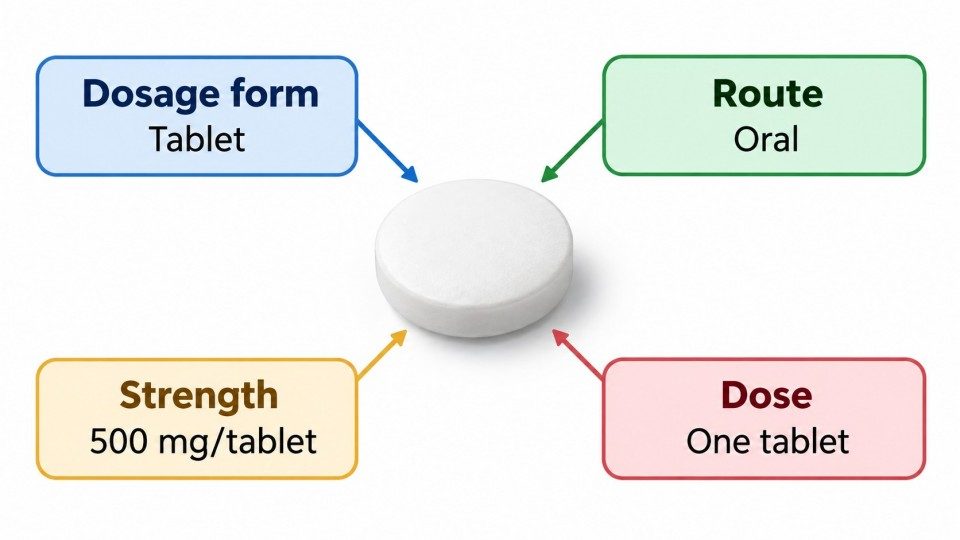
يصف الشكل الصيدلاني، ومسار الإعطاء، والجرعة، والقوة أشياء مختلفة ولا ينبغي استخدامها بالتبادل. تتعامل مصطلحات FDA و EDQM مع الأشكال الصيدلانية ومسارات الإعطاء كمفاهيم بيانات منفصلة.
|
المصطلح |
ماذا يعني |
مثال |
|
الشكل الصيدلاني |
الشكل المادي/المنتج الذي يتم تقديم الدواء فيه |
قرص |
|
طريقة الإعطاء |
المسار أو الموقع الذي يتم من خلاله إعطاء الدواء |
عن طريق الفم |
|
التركيز |
كمية أو تركيز المادة الفعالة (API) في وحدة أو كمية محددة |
500 مجم لكل قرص |
|
الجرعة |
الكمية التي يتم إعطاؤها في وقت معين |
قرص واحد بتركيز 500 مجم |
يمكن ربط شكل جرعي واحد بأكثر من مسار في المصطلحات الصيدلانية، كما يمكن للمسار نفسه استخدام العديد من الأشكال الجرعية. فعلى سبيل المثال، "عن طريق الفم" هو مسار وليس فئة للحالة المادية. قد يكون المحلول فموياً أو عينياً أو أذنياً أو قابلاً للحقن اعتماداً على المنتج. وبالمثل، فإن "500 مجم" لا تخبرك ما إذا كان المنتج قرصاً أو كبسولة أو مسحوقاً أو شكلاً آخر.
توجد أشكال جرعية مختلفة لأن خصائص الدواء، والأهداف العلاجية، واحتياجات المريض، وقيود التصنيع، ومتطلبات التعبئة والتغليف ليست متماثلة لكل منتج.
تعد خصائص الدواء نقطة انطلاق واحدة. إذ يمكن أن تحد الذوبانية، والاستقرار، وخصائص الجسيمات، وحجم الجرعة، والحساسية للحرارة أو الرطوبة، والتوافق مع السواغات من مسارات الصياغة الممكنة. قد تتطلب المادة التي يصعب ضغطها التحبيب أو مسار الكبسولة؛ وقد يستخدم الدواء الذي يحتاج إلى حماية من ظروف المعدة تصميماً بطيء التحرر.
سلوك التحرر هو عامل آخر. يتم تصميم منتجات التحرر الفوري، والتحرر البطيء، والتحرر الممتد بشكل مختلف عن عمد. يمكن للطلاء، أو المصفوفة، أو نظام تعبئة الكبسولة، أو التصميم متعدد الجسيمات تغيير مكان أو كيفية تحرر الدواء. التفكك، والذوبان، والامتصاص هي عمليات مترابطة ولكنها متميزة، لذا فإن الاختفاء المرئي للقرص أو فتح الكبسولة لا يثبت بحد ذاته الذوبان أو الامتصاص الكامل.وقت ذوبان الحبوب والكبسولات يمكن أن يختلف أيضاً باختلاف الصياغة، والطلاء، وسلوك التفكك، وظروف الاختبار.
تعتبر ظروف المريض والاستخدام مهمة أيضاً. فبعض المنتجات مصممة للأشخاص الذين يجدون صعوبة في بلع الأقراص التقليدية؛ بينما يستهدف البعض الآخر الجلد، أو الرئتين، أو العين، أو الأذن، أو مساراً حقنياً. يجب أن يوازن الاختيار النهائي بين الاستخدام المقصود وجدوى الصياغة وسمات الجودة المطلوبة للمنتج النهائي.
يحدد الشكل الجرعي عملية التصنيع الأساسية، بينما تحدد عبوة السوق النهائية مسار التعبئة اللاحق.يجب أن يكون التصنيع والتعبئة مترابطين، لكنهما ليسا نفس المرحلة.
بالنسبة للأقراص، المسار النموذجي هو تحضير المواد، والخلط، والتحبيب والتجفيف الاختياري، وضغط الأقراص، والطلاء الاختياري، والفحص، ثم التعبئة الأولية. مكبس الأقراص هو آلة التشكيل. تُستخدم آلة طلاء الأقراص فقط عندما يتطلب المنتج خطوة طلاء.
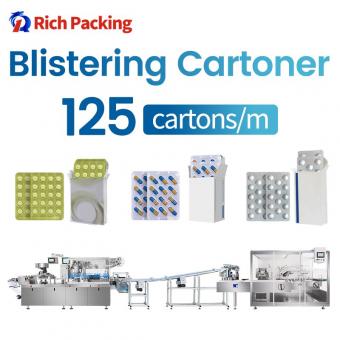
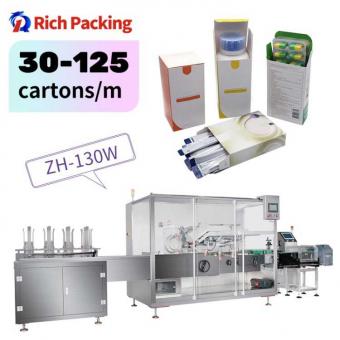
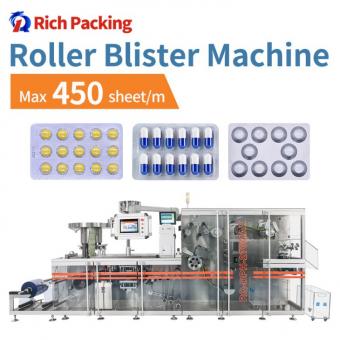
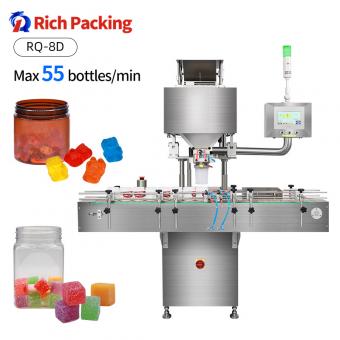
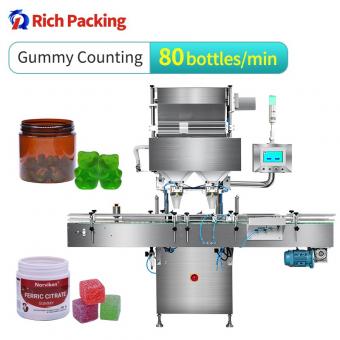
في المراحل اللاحقة، قد تدخل الأقراص في آلة تعبئة البليستر أو آلة عد تلقائية لتعبئة الزجاجات. يجب أن تفصل آلة عد الأقراص المنتجات إلى تدفق مستقر من قطعة واحدة قبل استشعارها وتوزيعها، لذا يمكن أن يؤثر شكل المنتج، والغبار، والكهرباء الساكنة، وسلوك التغذية، وسرعة الخط على استقرار العد. قد تستخدم التعبئة الثانوية بعد ذلك آلة كرتنة لتحميل البليستر أو الزجاجات أو العبوات الأولية الأخرى في كرتون.
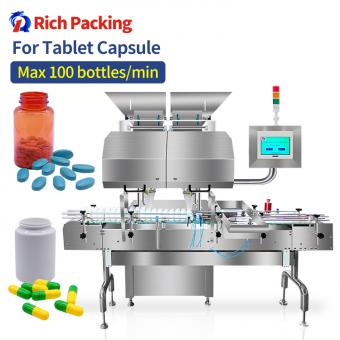
بالنسبة للكبسولات الصلبة، يمكن لـ آلة تعبئة كبسولات نصف آلية أو آلة تعبئة كبسولات آلية توجيه الأغلفة، وفصل الغطاء عن الجسم، وقياس مادة التعبئة، وإغلاق الكبسولة، وتفريغ الوحدات النهائية. بعد تلميع الكبسولة أو فحصها، يمكن نقل الكبسولات إلى تعبئة البليستر أو خط عد الأقراص والكبسولات، اعتماداً على عبوة السوق المطلوبة.
قد تذهب المساحيق والحبيبات مباشرة إلى آلة تعبئة الأكياس الطولية (stick packing machine) أو أي نظام معتمد آخر لتعبئة الأكياس الصغيرة عندما يتم بيع المنتج كجرعة مسحوق أو حبيبات موحدة. يمكن أن تكون أيضًا وسيطة تستمر إلى مرحلة كبس الأقراص أو تعبئة الكبسولات. يمنع هذا التمييز خطأً شائعاً في تخطيط المعدات: فجهاز التحبيب أو المجفف ذو الطبقة المميعة ينتمي إلى تحضير المواد، وليس إلى تعبئة الجرعات السائلة العامة.
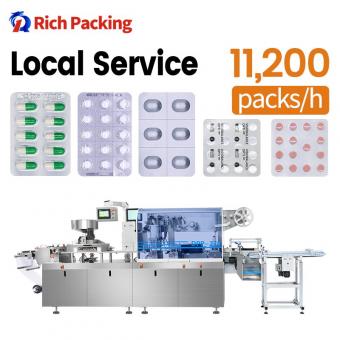
يجب أن تتطابق التعبئة والتغليف مع شكل الجرعة واحتياجات حماية المنتج. يمكن أن توفر الأشرطة (Blisters) تجاويف فردية للأقراص أو الكبسولات؛ ويمكن للزجاجات أن تدعم الجرعات الصلبة المعدودة؛ ويمكن للأكياس الطولية والصغيرة قياس المساحيق أو الحبيبات؛ وتوفر الكرتونات تغليفاً ثانوياً حول الأشرطة أو الزجاجات أو الأنابيب أو الأكياس الصغيرة. بالنسبة للمشاريع التي تجمع بين عدة عمليات لاحقة، فإنخط التعبئة والتغليف الصيدلاني قد يدمج التلقيم، والتعبئة الأولية، والفحص، والترميز، والتعبئة الثانوية، والتفريغ النهائي.
لذلك يجب اختيار آلة التكريت (التعليب) بعد تحديد العبوة الأولية. تفرض بطاقة الشريط، والزجاجة، والأنبوب، وكيس الستيك متطلبات مختلفة للتلقيم، والتجميع، والنشرة، وحجم الكرتونة، والمزامنة.
تعتبر مجموعة معدات Rich Packing الصيدلانية ذات صلة بشكل أساسي بإنتاج وتعبئة الجرعات الصلبة، بما في ذلك كبس الأقراص، وتعبئة الكبسولات، وتعبئة الأشرطة، والعد، وتعبئة الأكياس الطولية، والتكريت.
شكل الجرعة هو الشكل المادي النهائي أو شكل المنتج الذي يتم فيه إنتاج وتوريد الدواء، مثل القرص، أو الكبسولة، أو المحلول، أو الكريم، أو الحقن، أو اللاصقة. وهو يجمع بين المادة الفعالة (API) ومكونات التركيبة الأخرى في شكل مناسب للاستخدام المقصود منه.
تشمل المجموعات الشائعة أشكال الجرعات الصلبة والسائلة وشبه الصلبة، إلى جانب الأشكال المتخصصة مثل الحقن، ومنتجات الاستنشاق، والأنظمة عبر الجلد، والتحاميل، والغرسات، والحشوات. يمكن أن يعتمد التصنيف أيضاً على المسار، أو سلوك التحرر، أو نظام التوصيل، لذا قد تتداخل الفئات.
تشمل الأمثلة الأقراص، والكبسولات، والمساحيق، والحبيبات، والمحاليل، والمعلقات، والمستحلبات، والشرابات، والكريمات، والمراهم، والهلام، والحقن، والتحاميل، وبخاخات الاستنشاق، واللاصقات عبر الجلد.
يصف شكل الجرعة شكل المنتج الصيدلاني، بينما تصف طريقة الإعطاء كيفية أو مكان إعطائه. القرص هو شكل جرعة؛ والفموي هو مسار. تحتفظ إدارة الغذاء والدواء (FDA) و EDQM بهذه المفاهيم كمصطلحات منفصلة.
شكل الجرعة هو شكل المنتج، والقوة هي كمية أو تركيز المادة الفعالة (API) في وحدة أو كمية محددة، والجرعة هي الكمية التي يتم إعطاؤها في وقت معين. على سبيل المثال، قد يحتوي القرص على 500 مجم من المادة الفعالة، بينما قد تكون الجرعة قرصاً واحداً.
يمكن لأشكال الجرعات المختلفة تلبية متطلبات تركيبية، أو مسارات، أو ملفات تعريف تحرر، أو احتياجات مريض، أو ظروف استخدام منتج مختلفة. يعتمد الشكل المناسب على الدواء وتصميم المنتج المحددين بدلاً من قاعدة عالمية واحدة.
يمكن أن يتضمن إنتاج الأقراص الخلط، والتحبيب عند الحاجة، ومكبس الأقراص، والتغليف الاختياري. يستخدم إنتاج الكبسولات الصلبة آلة تعبئة الكبسولات. يمكن أن تستخدم التعبئة اللاحقة تعبئة الأشرطة، والعد والتعبئة الآلية في الزجاجات، وتعبئة الأكياس الطولية أو الصغيرة للمساحيق أو الحبيبات، ومعدات التكريت.
شكل الجرعة هو الشكل النهائي الذي يتم فيه إنتاج وتوريد الدواء، ويجب تمييزه عن طريقة الإعطاء، والجرعة، والقوة. تخلق الأقراص، والكبسولات، والسوائل، والمواد شبه الصلبة، والحقن، ومنتجات الاستنشاق، واللاصقات، وأشكال الجرعات الأخرى متطلبات مختلفة للتركيب، والتصنيع، ومراقبة الجودة، والتعبئة.
بالنسبة لمصنعي الأدوية ومشترِي المعدات، فإن القيمة العملية لفهم أشكال الجرعات واضحة: حدد شكل المنتج أولاً، ثم ابنِ مسار التصنيع والتعبئة حول سلوك مادته، وسمات الجودة، والاستخدام المقصود، والعبوة النهائية. يؤدي هذا التسلسل إلى قرارات أفضل بشأن المعدات مقارنة باختيار الآلات الفردية قبل تحديد شكل الجرعة والعملية بوضوح.

29+ years in pharmaceutical machinery, covering capsule filling, tablet pressing, blister packaging, tablet and capsule counting, cartoning, GMP production, and overseas machine service.

بريد إلكتروني : manager@richpacking.cn
Building D, No. 226, Beishan Qiaotou Street, Haizhu District, Guangzhou City, Guangdong Province, China


 دعم شبكة IPv6